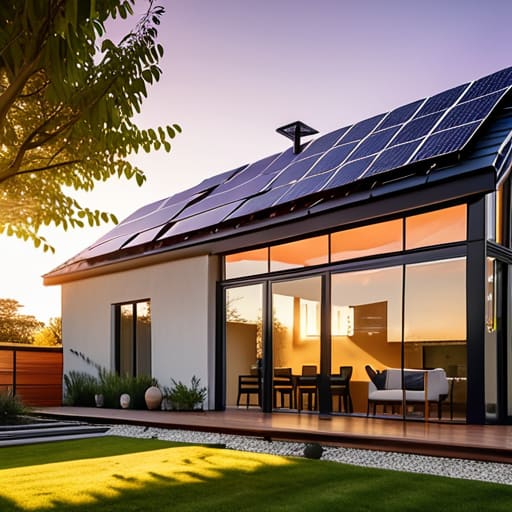
I still remember sitting in my old rental apartment, shivering under three blankets while staring at a utility bill that felt like a personal insult. Back then, every time I brought up the idea of solar power for homes, people acted like I was suggesting we build a private nuclear reactor in the backyard. There’s this massive, annoying misconception that going solar is only for people with massive bank accounts or those living in high-tech, off-grid mansions. Honestly, the constant hype surrounding expensive, over-engineered systems is exactly what keeps regular people from making the switch.
I’m not here to sell you on a lifestyle you can’t afford or some futuristic fantasy. My goal is to strip away the jargon and show you how to approach solar in a way that actually makes sense for your wallet. I’ll be sharing the practical, data-driven steps I use in my own audits to help you figure out if solar is a viable move for your specific setup. We’re going to focus on real numbers and smart transitions, ensuring you stop throwing money at the grid and start investing in your own energy independence.
Table of Contents
- Decoding Residential Solar Installation Costs Without Breaking the Bank
- Maximizing Solar Panel Efficiency Ratings for Every Dollar Spent
- 5 Ways to Make Solar Actually Pay Off (Without Losing Your Mind)
- The Bottom Line on Going Solar
- ## The Real Bottom Line
- Making the Switch: Your Next Steps
- Frequently Asked Questions
Decoding Residential Solar Installation Costs Without Breaking the Bank
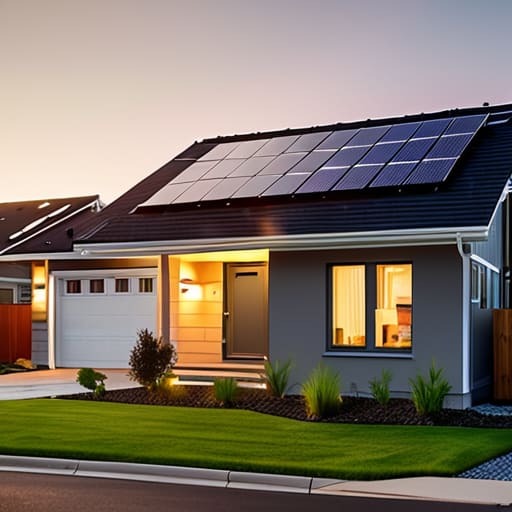
When I first started auditing homes, I noticed a common pattern: people get paralyzed by the upfront price tag. They see a quote for a new setup and immediately think it’s a luxury reserved for the wealthy. But you have to stop looking at it as a single, massive expense and start seeing it as a long-term hedge against rising utility rates. Residential solar installation costs can fluctuate based on your roof’s orientation and your specific energy needs, but the real math happens in the years following the install.
To keep things budget-friendly, you need to prioritize solar panel efficiency ratings over just buying the cheapest hardware available. It sounds counterintuitive, but spending a little more upfront on panels that perform better in low light can significantly accelerate your return on investment. I also tell my clients to look closely at net metering for homeowners; if your local utility allows you to sell excess power back to the grid, your system essentially becomes a small, productive asset rather than just another bill. It’s about making sure every cent you spend is actually working to lower your monthly overhead.
Maximizing Solar Panel Efficiency Ratings for Every Dollar Spent
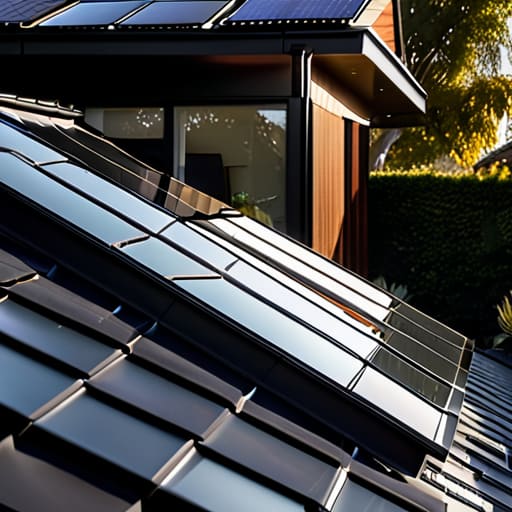
When you’re looking at spec sheets, it’s easy to get blinded by the big numbers, but you need to look past the marketing fluff. High solar panel efficiency ratings aren’t a magic wand; they just mean the panels convert more sunlight into usable electricity per square inch. If you have a massive roof, you might get away with slightly less efficient, cheaper panels. But if you’re working with a small footprint—like many of the rental-adjacent or compact homes I audit—you need every bit of performance you can get. You want to ensure you aren’t just buying the most expensive tech, but the tech that actually maximizes your specific roof space.
It’s also about the long game. I always tell my clients that a slightly higher upfront cost for premium cells can actually be a smarter move for reducing electricity bills with solar over a ten-year period. If the panels degrade too fast or underperform on cloudy days, your ROI takes a massive hit. Don’t just chase the lowest quote; look at the efficiency-to-cost ratio to make sure you’re actually getting a system that works as hard as you do.
5 Ways to Make Solar Actually Pay Off (Without Losing Your Mind)
- Audit your energy leaks first. There is no point in installing a massive solar array if your heat is escaping through drafty windows or old insulation. Use an infrared thermometer to find those cold spots; it’s much cheaper to seal a leak than to buy more panels to cover the waste.
- Look beyond the sticker price and check your local incentives. Between federal tax credits and state-level rebates, the “real” cost of solar is often much lower than the quote you see initially. Don’t leave free money on the table just because the paperwork looks intimidating.
- Prioritize battery storage if your utility uses time-of-use pricing. If your power company charges you a premium during peak evening hours, having a battery to draw from means you aren’t buying expensive grid power right when it’s most costly.
- Don’t over-engineer the system. A common mistake is installing a system that’s way too large for your actual needs. Look at your utility bills from the last twelve months, find your average usage, and build a system that meets that demand—not a theoretical maximum.
- Keep your panels clean and unobstructed. It sounds basic, but a layer of dust, pollen, or fallen leaves can tank your efficiency. If you have trees shading your roof, trim them back. A little bit of shade might not seem like much, but it can significantly drop your energy harvest.
The Bottom Line on Going Solar
Solar isn’t an “all or nothing” luxury; focus on high-efficiency hardware and smart sizing to ensure your system pays for itself through lower bills, not just high-tech specs.
Don’t let upfront costs scare you off—the real goal is to stop the bleed of money caused by inefficient energy use and leverage local incentives to offset the initial investment.
Efficiency is a numbers game; prioritize panels and setups that offer the best long-term energy yield for your specific roof, ensuring every dollar spent actually translates into saved kilowatt-hours.
## The Real Bottom Line
“Solar isn’t just a luxury tech upgrade for people with massive savings accounts; it’s a strategic tool to stop the bleeding of your monthly budget. If you’re tired of watching your money vanish into a grid that keeps getting more expensive, you need to start treating your roof like the energy asset it actually is.”
Tobias Nkemdirim
Making the Switch: Your Next Steps
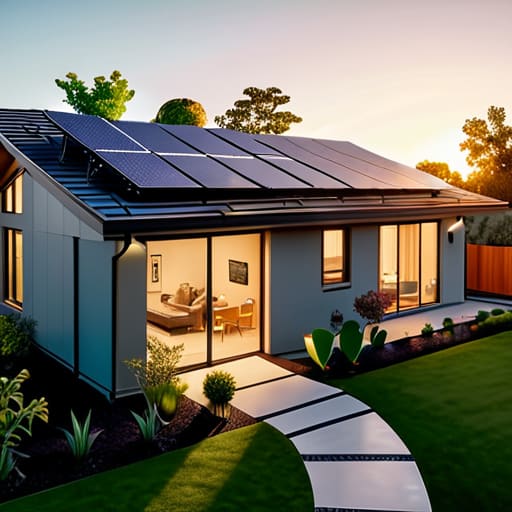
At the end of the day, getting solar isn’t about chasing a trend or buying the most expensive setup on the market. It’s about understanding your specific energy needs, calculating your real costs, and choosing hardware that actually delivers on its efficiency promises. I’ve seen too many people get overwhelmed by the upfront numbers and give up, but if you focus on the long-term math rather than just the initial price tag, the transition becomes much more manageable. Remember, you don’t have to do everything at once; it’s about making smart, incremental investments that stop your money from literally leaking out of your roof every single month.
I know it feels like the system is rigged to make sustainability a luxury for the wealthy, but that’s exactly why we have to be smarter about how we use our resources. Every kilowatt you generate yourself is a win for your wallet and a step away from the wasteful habits that define our current energy grid. You don’t need a massive solar farm to make a difference; you just need to take control of your consumption. Start where you can, audit your usage, and build a home that works for you instead of against you. Let’s stop paying for wasted energy and start building something that actually lasts.
Frequently Asked Questions
Is it actually worth it to install solar if my house is mostly shaded by trees or neighbors?
Honestly? It depends on the shade, but don’t write it off immediately. If you’ve got heavy, constant shade, you’re basically buying expensive paperweights. But if it’s just partial shading from a neighbor’s roof or a few branches, you can still make it work. I usually suggest looking into microinverters—they help prevent one shaded panel from tanking your entire system’s output. Grab your thermometer, check the light levels, and let’s see if the math actually adds up.
How much can I realistically expect my monthly electricity bill to drop once everything is set up?
Look, I can’t give you a single magic number because every house is different, but I’ve seen enough audits to know the range. If you’ve actually done the work—meaning you’ve paired your panels with decent insulation so you aren’t fighting heat leaks—you could realistically see your bill drop by 70% to 90%. In some cases, you might even hit a zero-dollar balance. It’s about offsetting your usage, not just installing hardware.
What happens to my solar setup if I'm renting instead of owning my home?
If you’re renting, you aren’t stuck. You can’t bolt panels to someone else’s roof, but you can look into community solar programs—essentially subscribing to a local solar farm to lower your utility bill. If you have a balcony or yard, portable solar generators are a solid workaround for charging devices. Just make sure you check your lease first; the last thing you want is a dispute over “unauthorized modifications” while trying to save money.
