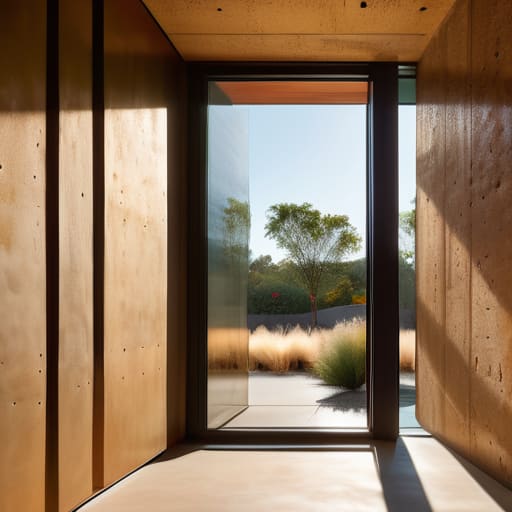
I remember sitting in my old rental apartment three years ago, shivering under three layers of blankets while watching the thermostat climb, only to feel the heat vanish the second the heater clicked off. It felt like I was literally throwing money into a void. I used to think that keeping a home stable required high-tech, expensive smart systems, but the truth is much more grounded. Most people overlook the simple physics of thermal mass materials, thinking you need a massive architectural overhaul to stop the temperature swings. In reality, it’s not about fancy gadgets; it’s about how your walls and floors actually hold onto energy.
I’m not here to sell you on some overpriced, “eco-luxury” renovation that requires a second mortgage. My goal is to show you how to use thermal mass materials strategically to stabilize your living space and slash your utility bills. I’ll be breaking down which materials actually work for real-world homes, how to implement them without breaking the bank, and the data-driven reasons why they matter for your wallet. Let’s stop wasting energy just because it’s convenient and start making your home work for you.
Table of Contents
- Unlocking Free Energy Through Passive Solar Heating Design
- Understanding Thermal Lag Explained for a Stable Home
- 5 Practical Ways to Use Thermal Mass Without a Full Renovation
- The Bottom Line: Making Thermal Mass Work for You
- ## The Real Cost of Ignoring Thermal Mass
- Making Thermal Mass Work for You
- Frequently Asked Questions
Unlocking Free Energy Through Passive Solar Heating Design
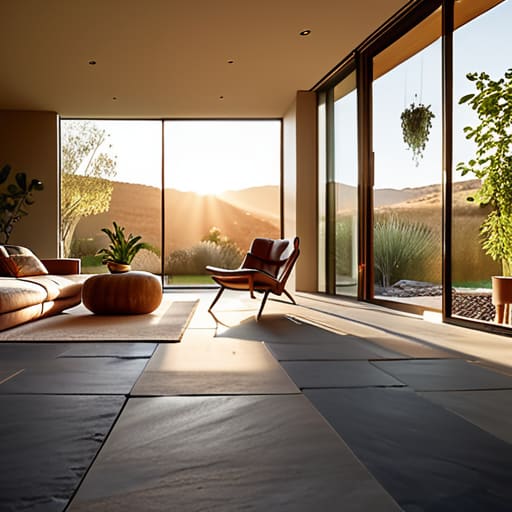
If you want to stop fighting your thermostat every single evening, you need to look at how your home interacts with the sun. This is where passive solar heating design comes into play. Instead of just relying on an electric heater to kick in when it gets cold, you can use your home’s internal structure to soak up solar energy during the day. Think of it like a battery, but instead of electricity, you’re storing heat. When sunlight hits a dense floor or a stone wall, those surfaces absorb the energy, preventing it from just bouncing off and escaping through your windows.
The real magic happens through a concept called thermal lag explained: the delay between when the sun hits a surface and when that heat is actually released into your living space. By choosing materials with high heat capacity, you can time this release to hit right when the sun goes down and the temperature starts to dip. It’s not about complex gadgets; it’s about understanding temperature regulation in architecture to ensure your home stays stable without you having to touch a single dial.
Understanding Thermal Lag Explained for a Stable Home
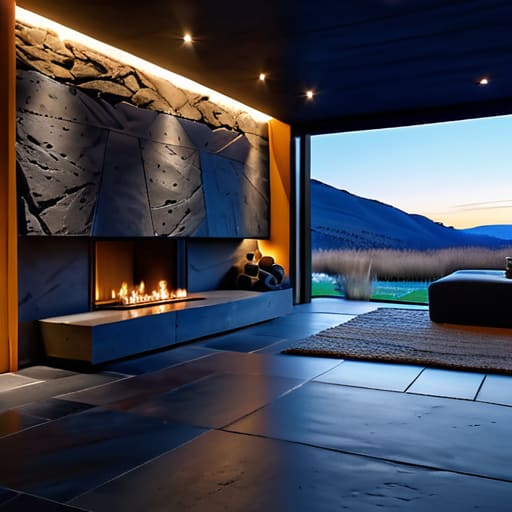
If you’ve ever walked into a room that feels strangely warm even after the sun has gone down, you’ve experienced thermal lag explained in real-time. It isn’t magic; it’s just physics working in your favor. Essentially, thermal lag is the delay between when a material absorbs heat and when it finally releases it back into the living space. Instead of your house heating up like an oven at noon and freezing the second the sun sets, materials with high heat capacity act like a rechargeable battery for temperature. They soak up the solar energy during the peak of the day and slowly bleed it back out during those chilly evening hours when your heater would usually be working overtime.
Getting this balance right is all about understanding the difference between thermal conductivity vs thermal mass. While conductivity is about how fast heat moves through a material, mass is about how much energy that material can actually hold. If you use the wrong materials, you might end up with a home that fluctuates wildly in temperature, forcing your HVAC system to constantly kick on and off. By choosing materials that store energy effectively, you create a more stable indoor climate that doesn’t rely on constant, expensive mechanical intervention.
5 Practical Ways to Use Thermal Mass Without a Full Renovation
- Look for “hidden” mass in your existing setup. If you have concrete floors or stone tiles, don’t cover them up with thick, insulating rugs during the day. Let the sun hit that surface so it can soak up the heat and release it slowly once the sun goes down.
- Position your heavy furniture strategically. If you have a large, solid wood bookshelf or a heavy stone planter, place it against an interior wall that gets direct sunlight. It acts like a mini heat battery, helping to stabilize the temperature in that specific corner.
- Don’t overdo the dark colors on high-mass surfaces. While dark colors absorb more heat, a pitch-black concrete floor in a room that gets too much sun might turn your living room into an oven. Aim for mid-tones to keep the heat absorption manageable.
- Use the “window-to-mass” ratio to your advantage. Thermal mass is useless if the heat can’t reach it. If you’re adding a heavy feature like a brick accent wall, make sure it has a clear line of sight to your south-facing windows (or north, if you’re in the Southern Hemisphere) to catch that passive solar gain.
- Consider low-cost “mass hacks” for renters. Since you can’t tear out walls to add concrete, look into heavy masonry decor or even high-density clay pots. They aren’t going to heat a whole house, but they can help dampen those annoying temperature swings in a small studio or bedroom.
The Bottom Line: Making Thermal Mass Work for You
Thermal mass isn’t about expensive renovations; it’s about strategically using materials like stone, brick, or even heavy tile to soak up heat during the day and release it when the temperature drops.
Timing is everything—you have to align your material choice with your home’s layout so you’re capturing solar gain when it’s available, rather than just letting the heat dissipate into an empty room.
Think of thermal mass as a natural battery for your home’s temperature, helping you smooth out those expensive energy spikes by keeping your indoor climate stable without constantly cranking the thermostat.
## The Real Cost of Ignoring Thermal Mass
“I’ve spent enough time pointing an infrared thermometer at drafty walls to know that energy efficiency isn’t just about better insulation; it’s about choosing materials that actually know how to hold onto heat instead of letting it leak straight through the structure.”
Tobias Nkemdirim
Making Thermal Mass Work for You
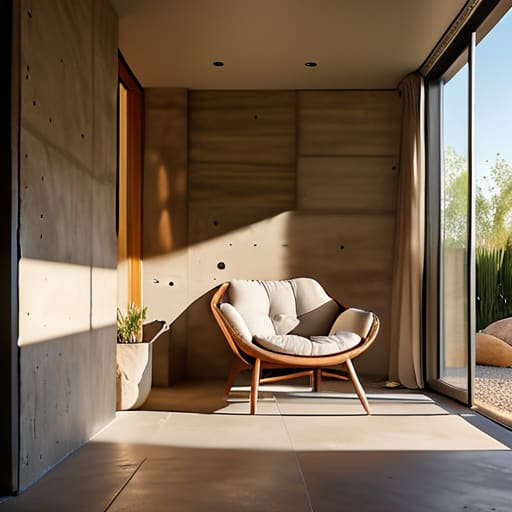
At the end of the day, mastering thermal mass isn’t about complex engineering or spending a fortune on high-tech gadgets. It’s about understanding how your home breathes and holds onto heat. We’ve looked at how strategic passive solar design can capture free warmth and how leveraging thermal lag can prevent those frustrating temperature swings that leave you constantly fiddling with the thermostat. Whether you’re working with concrete, stone, or even just rearranging your furniture to sit against a sun-drenched wall, the goal is the same: stop fighting your environment and start using it to your advantage. When you get the physics right, your home stops being a sieve for heat and starts acting like a natural battery for energy.
I know that looking at energy audits and material science can feel overwhelming, especially when you’re just trying to make ends meet. But I promise you, these small, calculated shifts in how we treat our living spaces make a massive difference over time. You don’t need a massive budget to live sustainably; you just need to be intentional. Every bit of heat you trap and every dollar you save on a utility bill is a win for your wallet and the planet. Let’s stop letting our hard-earned money leak out through the cracks and start building homes that are actually built to last.
Frequently Asked Questions
I live in a small rental apartment—is there any way to use thermal mass without doing a full renovation or tearing up my floors?
Look, I get it. When you’re renting, the idea of “remodeling” feels like a pipe dream. You can’t exactly pour a concrete floor in a studio apartment. But you can still hack the physics of your space. Try adding heavy, dense objects to areas where the sun hits—think stone coasters, ceramic planters, or even a heavy tiled tabletop. These act as mini thermal batteries, soaking up heat during the day and releasing it slowly at night.
Won't adding heavy materials like stone or concrete actually make my home harder (and more expensive) to cool down during the summer?
That’s a fair concern, and honestly, it’s one I see a lot when I’m auditing homes. If you just slap heavy stone in a sun-drenched room without a plan, you’ll turn your house into an oven. But it’s all about strategy. If you use thermal mass to absorb heat during the day and then flush that heat out with night ventilation, it actually stabilizes your temperature. It’s about managing the timing, not just adding weight.
How do I know if my current furniture or decor—like a heavy rug or a brick fireplace—is actually helping with thermal lag or if it's just taking up space?
Honestly, the easiest way to tell is to grab my infrared thermometer. Check the surface temperature of that brick fireplace or heavy rug during the peak of the day, then again late at night. If the brick stays warm long after the sun goes down or the heater kicks off, it’s doing its job by storing heat. If it feels cold and stays cold, it’s just decor. Don’t let dead weight sit there; make sure it’s actually working for you.
