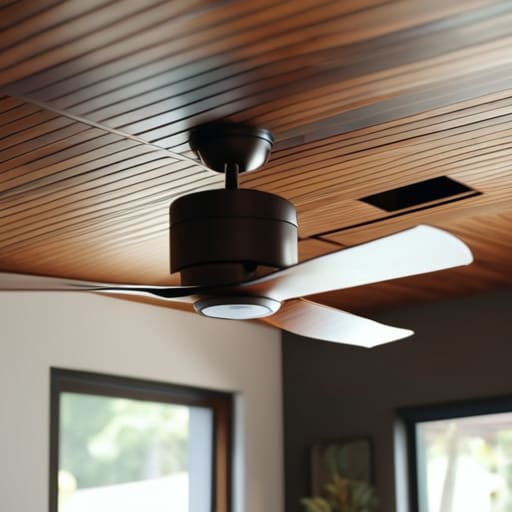
I still remember sitting in my old rental apartment, sweating through a summer heatwave because the landlord insisted a cheap, wobbling fan was “enough.” I’d stare up at those blades, watching them spin uselessly, realizing that most people treat ceiling fan efficiency as an afterthought rather than a tool. We’ve been sold this idea that if you just turn the speed up to max, you’re winning, but that’s a total myth that actually ends up wasting more power than it saves.
I’m not here to sell you some high-tech, overpriced smart-home gadget that promises to fix your life. Instead, I’m going to show you the practical, data-backed ways to actually optimize your setup so you can stay cool without watching your utility bill spike. We’re going to talk about motor types, blade pitch, and the simple direction switches that most people completely ignore. My goal is to give you straightforward, actionable steps to make sure your fans are actually working for your wallet and the planet, not just spinning air around for no reason.
Table of Contents
Why Energy Star Rated Ceiling Fans Save Your Budget
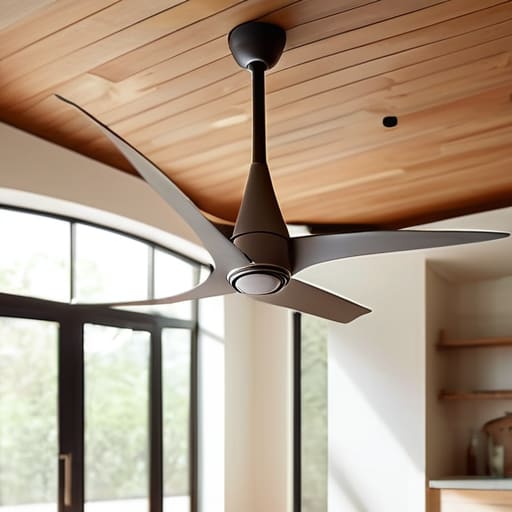
When I’m auditing a home, I often see people stuck with those old, clunky fans that hum like a small airplane. Most of those older models use AC motors, which are power-hungry and inefficient. If you switch to energy star rated ceiling fans, the difference in your monthly bill is actually measurable. These units are designed to move air without pulling a massive amount of juice from the grid.
The real game-changer, though, is looking into DC motor ceiling fans benefits. Unlike the standard motors in most big-box stores, DC motors are incredibly lightweight and efficient. I usually run a quick ceiling fan wattage comparison during my audits, and the numbers don’t lie: you can get significantly more airflow while using a fraction of the electricity. It’s one of those rare upgrades where the tech actually pays for itself by reducing air conditioning costs over the long run. You aren’t just buying a fan; you’re buying a way to stop bleeding money every time the temperature rises.
The Real Secret to Reducing Air Conditioning Costs With Fans
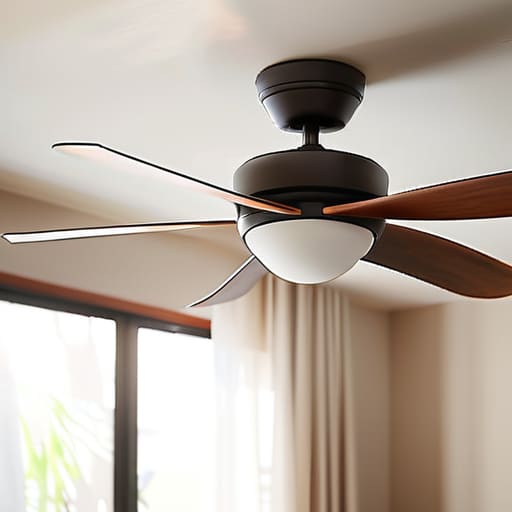
Here’s the truth most people miss: a fan doesn’t actually lower the temperature of a room. I’ve seen plenty of people crank their fans to max speed thinking they’re cooling the air, but all they’re doing is spinning blades and consuming electricity. The real magic happens through the wind-chill effect on your skin. When you focus on reducing air conditioning costs with fans, you aren’t trying to fight the thermometer; you’re trying to make your body feel cooler so you can nudge that thermostat up by three or four degrees without breaking a sweat.
To get the most out of this, you need to look at ceiling fan airflow optimization. This means ensuring the blades are actually moving air downward in a concentrated column. If you’ve noticed your fan feels like it’s just stirring warm air around, check your seasonal direction settings. In the summer, you want a counter-clockwise motion to push a breeze straight down. When you get this right, you can significantly reduce the load on your AC unit, which is where the real money is saved.
5 Quick Fixes to Stop Your Fan From Wasting Power
- Check your fan’s direction twice a season; in the summer, you want a counter-clockwise breeze to push air down, but in the winter, switching to clockwise at a low speed helps pull cool air up and push trapped heat off your ceiling.
- Stop running your fan when you aren’t actually in the room; unlike an AC, a fan doesn’t lower the temperature of the air, it only cools people through the wind-chill effect, so if the room is empty, you’re just burning electricity for nothing.
- Clean the dust off your blades every single month; I’ve seen so many fans struggling because thick layers of grime are physically slowing down the motor and making it work twice as hard to move the same amount of air.
- If you’re upgrading, look specifically for DC motor models; they might cost a bit more upfront, but the energy draw is significantly lower than the standard AC motors found in most cheap retail fans.
- Use your fan as a partner to your thermostat, not a replacement; instead of cranking the AC down to 68, use the fan to make 74 feel like 70, and you’ll see a massive drop in your monthly utility statement.
The Bottom Line on Fan Efficiency
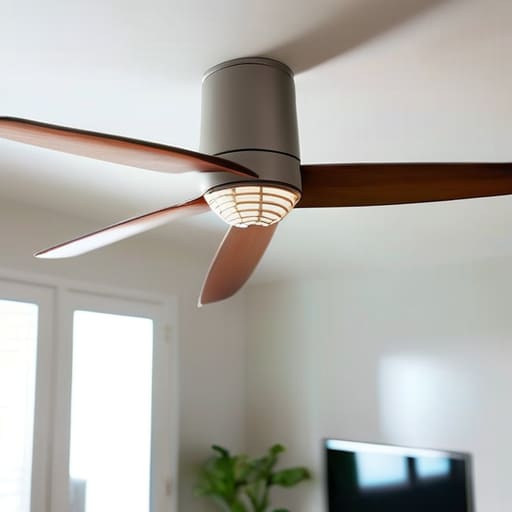
Don’t just aim for lower bills; aim for better airflow. A high-efficiency fan moves more air with less power, meaning you spend less on electricity to stay cool.
Stop running your AC at full blast. Use your ceiling fan to circulate air, which allows you to bump your thermostat up a few degrees without feeling the heat.
Check your fan’s direction. Most people forget this, but running your fan counter-clockwise in the summer is the simplest, zero-cost way to feel a breeze and save money.
## The Efficiency Mindset
“I’ve spent too many hours pointing an infrared thermometer at drafty corners to realize that energy efficiency isn’t just about high-tech upgrades; it’s about making sure the tools you already have, like a simple ceiling fan, are actually working for you instead of just spinning your money away.”
Tobias Nkemdirim
The Bottom Line on Fan Efficiency
At the end of the day, optimizing your ceiling fans isn’t about some complex engineering overhaul; it’s about making smarter, more intentional choices with the tech you already have. We’ve looked at how Energy Star ratings actually impact your monthly overhead and, more importantly, how using a fan to circulate air can allow you to crank up the thermostat without feeling the heat. By focusing on motor efficiency and proper airflow direction, you aren’t just spinning blades in a vacuum—you are actively slashing your cooling costs and making your home’s climate control work much harder for your wallet.
I know it can feel overwhelming to try and “go green” when you’re just trying to keep your head above water financially. But that’s exactly why these small adjustments matter. You don’t need a massive solar array or a complete home renovation to start making a difference; sometimes, it’s as simple as ensuring your fan is doing its job correctly. Every kilowatt you save is a win for your bank account and a step toward a more sustainable way of living. Let’s stop letting energy leak through our fingers and start taking control of our footprint, one small, efficient change at a time.
Frequently Asked Questions
Is it actually worth the money to replace an old fan with a DC motor model?
Look, I get the hesitation. Replacing something that “still works” feels wasteful. But if you’re running that old AC motor fan every single day, the math changes. DC motor fans use about 70% less electricity. I’ve run the numbers on several audits, and if you’re a heavy user, the energy savings usually pay for the new fan within a couple of years. It’s a small upfront cost to stop bleeding money every month.
How much can I really expect to see on my electric bill if I use a fan instead of cranking the AC?
Look, I’ve run the numbers on several audits, and the difference is massive. An AC unit pulls a heavy load—think 3,000 to 5,000 watts—while a standard ceiling fan pulls about 15 to 50 watts. If you swap just a few hours of AC time for fan usage, you aren’t just saving pennies; you’re looking at potentially cutting your cooling-related costs by 30% to 50% monthly. It’s one of the easiest wins for your wallet.
Does the direction of the fan blades actually matter for efficiency, or is that just a myth?
It’s definitely not a myth, but it’s not about “efficiency” in the way most people think. The direction doesn’t change how much power the motor pulls, but it changes how you feel the air. In the summer, you want a counter-clockwise spin to create a downdraft that cools you via the wind-chill effect. In the winter, reversing it pulls cool air up and pushes trapped heat down. It’s pure physics, not magic.
