
I remember sitting in my old rental apartment three years ago, watching the afternoon sun turn my living room into a literal oven. I was sweating through my shirt, but I was too terrified to close the blinds because I knew that once they were down, the room would turn into a dark, depressing cave. People will try to sell you on these high-tech, overpriced automation systems that cost more than your monthly rent, but let’s be real: most marketing around smart shading devices is just fluff designed to separate you from your cash. You don’t need a $500 motorized setup just to keep the sun from cooking your furniture; you just need a system that actually works with your lifestyle, not against it.
I’m not here to pitch you on the latest shiny gadget that requires a PhD to install. Instead, I’m going to show you how to use smart shading devices to actually control your climate without draining your bank account. I’ll break down the tech that’s worth the investment and point out the expensive nonsense you should avoid. My goal is simple: helping you stop wasting energy and start lowering those utility bills through practical, data-backed moves.
Table of Contents
- Affordable Sunlight Control Technology for Every Budget
- Energy Efficient Window Coverings That Pay for Themselves
- 5 Quick Wins to Stop Wasting Energy Through Your Windows
- The Bottom Line: Making Smart Shading Work for You
- The Real Cost of Ignoring Your Windows
- Making the Switch
- Frequently Asked Questions
Affordable Sunlight Control Technology for Every Budget
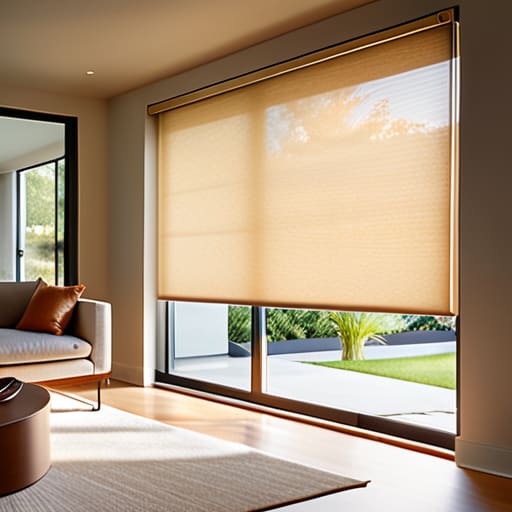
Look, I get it. When I first started auditing homes, I thought “smart” always meant “expensive.” I used to think you needed a massive renovation budget to get into automated light management systems, but that’s just not the reality anymore. You don’t need to drop thousands to start seeing a difference in your thermal load. Even budget-friendly smart blinds for home automation can be a game changer if you target the right windows—specifically those facing south or west where the sun hits hardest in the afternoon.
If you’re working with a tighter budget, I usually recommend starting with simple, retrofitted solutions. You can actually find affordable energy efficient window coverings that plug into a standard outlet rather than requiring a full electrical overhaul. For those who are a bit more tech-savvy, adding small motorized components to your existing setups is a smarter way to scale your efficiency as you go. It’s about making incremental moves that actually move the needle on your monthly utility costs without draining your savings account.
Energy Efficient Window Coverings That Pay for Themselves
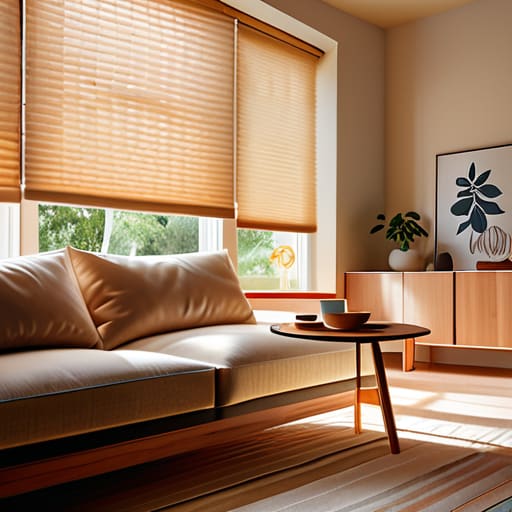
When I’m auditing a home, I don’t just look at the insulation in the attic; I look at the windows. Most people treat them as static objects, but they are actually your home’s biggest thermal vulnerabilities. Investing in energy efficient window coverings isn’t just a decor choice; it’s a strategy to stop your HVAC system from working overtime. If you use cellular shades or heavy thermal drapes, you’re creating a buffer that keeps the heat in during winter and out during summer.
If you want to take it a step further, I always recommend looking into motorized shade automation. It sounds fancy, but the real value is in the timing. By using automated light management systems, you can program your shades to close automatically when the sun hits its peak intensity in the afternoon. This prevents that “greenhouse effect” from overheating your living room. It’s one of those rare instances where technology actually pays for itself by drastically reducing the load on your air conditioner, making your monthly utility bill much more manageable.
5 Quick Wins to Stop Wasting Energy Through Your Windows
- Don’t overcomplicate it—start with automated timers. If you can sync your shades to close right when the sun hits its peak in the afternoon, you’re stopping heat gain before it even starts.
- Look for “thermal” properties, not just shade. It’s not enough to block light; you want materials that actually act as a buffer against the temperature outside.
- Use your phone to audit your setup. Before buying expensive motorized systems, use a simple smart plug or a basic remote-controlled setup to see which rooms actually struggle with heat spikes.
- Focus on the “Solar Gain” math. In the winter, your goal is the opposite: keep the shades wide open during the day to let the sun heat your floors, then close them tight at sunset to trap that warmth.
- Prioritize DIY smart integration. You don’t need a full-home overhaul; just adding a single smart motor to your most sun-drenched window can pay for itself in energy savings within a few seasons.
The Bottom Line: Making Smart Shading Work for You
Stop thinking of window treatments as just decor; treat them as a thermal barrier that pays dividends in lower monthly utility bills.
You don’t need a high-tech overhaul to see results—even simple, well-timed shading can drastically reduce the heat load in your living space.
Prioritize products that offer a balance of insulation and light control to ensure you’re managing your home’s temperature without living in the dark.
The Real Cost of Ignoring Your Windows
“I’ve spent too many audits pointing my infrared thermometer at windows and seeing exactly where the money is leaking out. Smart shading isn’t some luxury gadget for high-end smart homes; it’s a practical tool to stop fighting your own thermostat every single afternoon.”
Tobias Nkemdirim
Making the Switch

At the end of the day, managing your home’s temperature shouldn’t feel like a losing battle against your bank account. We’ve looked at how everything from budget-friendly DIY solutions to automated smart shades can fundamentally change how your home handles heat. Whether you’re investing in high-tech motorized rollers or just opting for better thermal linings, the goal remains the same: stop letting your hard-earned money leak out through your windows. It’s about moving away from the “set it and forget it” mentality that leads to massive utility spikes and toward a system that works with the sun rather than against it.
I know it can feel overwhelming to tackle home efficiency, especially when you’re staring down a long list of potential upgrades. But remember, you don’t need a complete solar-powered overhaul to make a difference. Start with one window, one room, or even just one smart blind. Every small adjustment is a step toward a home that is both economically sustainable and environmentally responsible. We have to stop treating energy waste as an unavoidable cost of living. Let’s start treating our homes like the efficient, smart ecosystems they were meant to be.
Frequently Asked Questions
Are smart shades actually worth the upfront cost compared to just buying decent blackout curtains?
Look, if you’re just trying to sleep in a dark room, go with the blackout curtains. They’re cheap and they work. But if you want to actually manage your home’s temperature, smart shades are a different beast. I’ve run the numbers: the ability to automate them—closing them when the sun hits hardest in the afternoon—prevents that massive heat spike that forces your AC to work overtime. They’re an investment in your utility bill, not just your decor.
Do I need to rewire my whole house to make these work, or can they run on batteries?
Definitely not. I’ve seen people assume they need a full electrical overhaul for this, but that’s a huge misconception. Most smart shades on the market today are designed to be plug-and-play. You can get them with rechargeable batteries or even solar-powered panels that clip onto the window. It’s a much more practical way to upgrade without the headache (or the massive bill) of hiring an electrician to rewire your walls.
Will these devices actually integrate with the smart home tech I already have, like Alexa or Google Home?
The short answer is yes, but you have to check the specs before you buy. Most modern smart shades are built to play nice with Alexa or Google Home via Zigbee or Wi-Fi. I always look for “Matter” compatibility now—it’s a game changer for making sure everything talks to each other without a headache. Just don’t assume they’ll work instantly; make sure the hub you’re using actually supports the specific brand you’ve picked.
