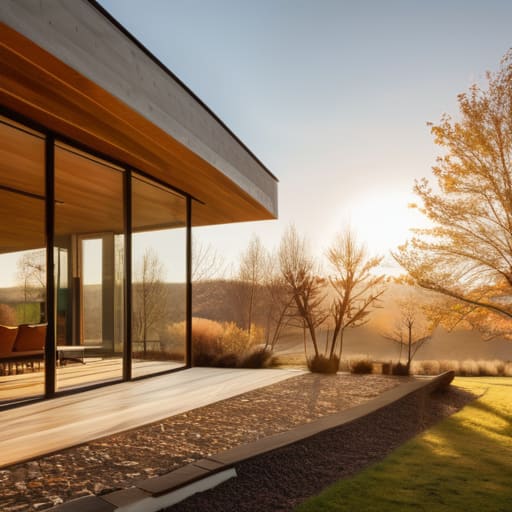
I still remember sitting in my old rental apartment three years ago, shivering under three layers of blankets while staring at a heating bill that felt like a personal insult. I used to think that being eco-friendly meant installing a million-dollar smart home system or living in a glass box in the middle of a desert. But the truth is, most people make passive solar design sound way more complicated and expensive than it actually needs to be. You don’t need a massive architectural budget or a degree in engineering to stop fighting against your own house; you just need to understand how to work with the light you already have.
In this guide, I’m stripping away the jargon and the high-end fluff to show you how this actually works in a real, modest home. I’ll walk you through the practical, low-cost tweaks you can make to capture heat when you need it and keep it trapped when you don’t. My goal isn’t to sell you a lifestyle you can’t afford, but to give you a data-driven roadmap to a home that stays warm without draining your bank account.
Table of Contents
- Maximizing South Facing Windows Efficiency Without Breaking the Bank
- Using Thermal Mass Materials to Trap Free Natural Heat
- Five Low-Cost Ways to Hack Your Home’s Solar Potential
- The Bottom Line: Making Passive Solar Work for You
- ## The Real Cost of Ignoring the Sun
- The Bottom Line on Passive Solar
- Frequently Asked Questions
Maximizing South Facing Windows Efficiency Without Breaking the Bank
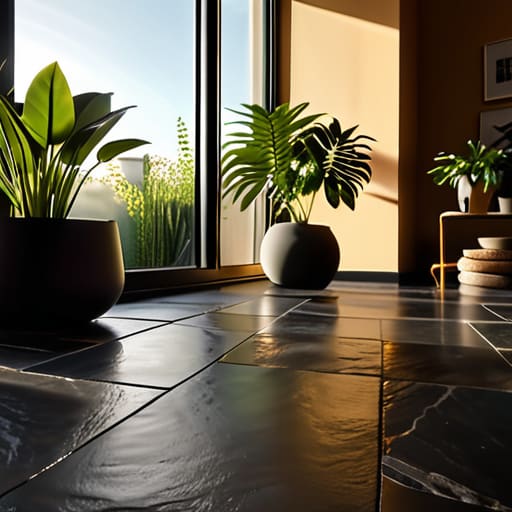
If you’ve got south-facing windows, you’re sitting on a goldmine of free heat, but you can’t just let the sun bake your living room all day. The trick to true south-facing windows efficiency is managing when that heat enters and how long it stays. I often tell my clients that windows are basically your home’s lungs—they need to breathe in the warmth during the day and hold onto it when the sun drops. If your floor is just thin carpet or laminate, that heat is going to bounce right back out the glass.
To actually make this work, you need to pair your glass with thermal mass materials. I’m talking about things like stone tiles, concrete, or even heavy ceramic pots placed in the direct path of the sunlight. These materials act like a thermal battery, soaking up the energy during the afternoon and slowly releasing it back into the room once the temperature dips. It’s a low-cost way to stabilize your indoor climate without constantly cranking the thermostat. Just keep an eye on your shading devices—simple, adjustable blinds are your best friend to prevent overheating in the summer months.
Using Thermal Mass Materials to Trap Free Natural Heat
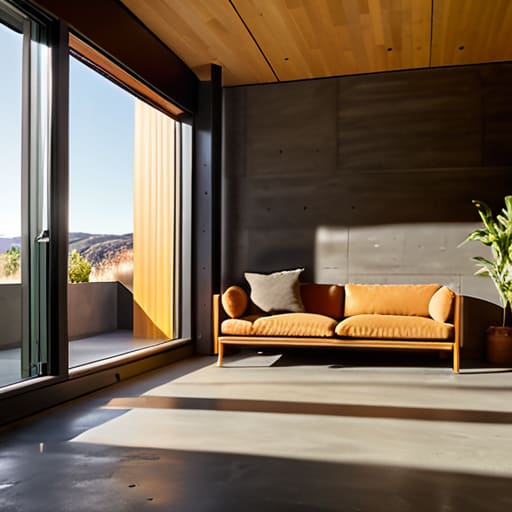
Think of thermal mass like a giant rechargeable battery for your home, but instead of electricity, it stores heat. When the sun hits your floor or a heavy interior wall through those south-facing windows, the material absorbs that energy rather than letting it bounce right back out the glass. I’ve seen this in action during audits; a room with just a concrete floor or a stone feature wall stays significantly more stable than one with nothing but thin carpet. These thermal mass materials act as a buffer, soaking up the midday heat and slowly releasing it back into the room as the temperature drops in the evening.
The trick is getting the placement right. You don’t need to rebuild your entire house to benefit from these solar heating principles; it’s often about choosing the right finishes. If you’re renovating, opting for tile, brick, or even heavy plaster can make a massive difference in your building envelope optimization. Just keep in mind that if you place these heavy materials in the wrong spot, you might end up trapping heat when you actually want it to escape. It’s all about balance.
Five Low-Cost Ways to Hack Your Home’s Solar Potential
- Manage your light with strategic window treatments. It sounds basic, but heavy curtains or cellular shades act as a thermal barrier; close them the second the sun goes down to stop that hard-earned heat from escaping straight through the glass.
- Don’t ignore your eaves and overhangs. If you’re doing any minor DIY or landscaping, remember that a well-placed overhang blocks the high summer sun to keep you cool, but lets the low winter sun slide right in to warm your floors.
- Clear the path for the sun. I’ve seen so many people let overgrown shrubs or unpruned branches shade their south-facing windows in the winter. Trim them back to ensure you’re actually catching those free solar rays when you need them most.
- Use rugs to boost your floor’s performance. If you have hard floors that act as thermal mass, layering them with thick, natural-fiber rugs during the colder months helps trap the heat they’ve absorbed rather than letting it dissipate into the air.
- Check your seals regularly. Even the best solar design fails if your windows are leaking air. Use a cheap weatherstripping kit to make sure the heat you’ve captured via passive solar stays inside your living space instead of drifting outside.
The Bottom Line: Making Passive Solar Work for You
You don’t need a total home redesign; start by tracking where the sun hits your rooms and prioritize those spots for your thermal mass or window upgrades.
Windows are your biggest asset and your biggest liability—make sure you’re capturing the heat during the day but blocking it from escaping at night.
Think of your home as a battery; the goal is to use materials that soak up free solar energy when it’s available so you aren’t relying on expensive heaters when the sun goes down.
## The Real Cost of Ignoring the Sun
“Passive solar design isn’t some luxury architectural trend for the wealthy; it’s just common sense. Why should we pay a utility company to fight against the physics of our own homes when the sun is giving us free heating every single day?”
Tobias Nkemdirim
The Bottom Line on Passive Solar
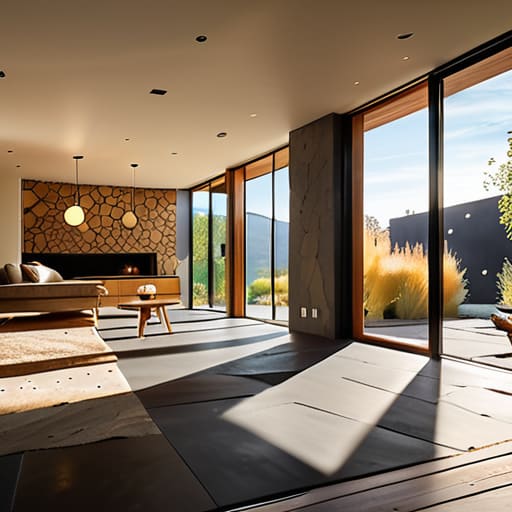
At the end of the day, passive solar design isn’t about some high-tech, expensive architectural overhaul. It’s about working with what you have. We’ve looked at how positioning your windows to catch that midday sun can do the heavy lifting for your heating, and how using materials like stone or tile to act as a thermal battery can keep your space steady when the temperature drops. By focusing on strategic placement and the right materials, you’re essentially letting the sun pay your utility bills. It’s a practical, data-backed way to stop fighting against your environment and start working with it.
I know it can feel overwhelming when you look at your monthly energy statement and see those numbers climbing, but don’t let that paralyze you. You don’t need a massive renovation budget to start making your home smarter and more sustainable. Whether it’s a simple adjustment to how you use your window space or choosing a more efficient material for a small DIY project, every little bit of heat you trap is energy you don’t have to buy later. Let’s stop treating energy waste as an inevitability and start treating it as a fixable problem. You have the tools; now it’s just about taking that first step.
Frequently Asked Questions
Can I actually implement these passive solar tweaks in a rental apartment without making permanent structural changes?
Look, I get it. Most of us aren’t homeowners, and the last thing you want to do is lose a security deposit over a DIY project. The short answer is yes. You can’t move your walls, but you can manage how heat moves through them. Think heavy, dark curtains for thermal mass or repositioning furniture to clear sun paths. It’s about optimizing what you already have, not rebuilding the place.
How do I stop my house from overheating in the summer once I've started maximizing that solar gain?
It’s the classic trade-off: you capture all that heat for January, and suddenly your living room feels like a sauna in July. To stop the overheat, focus on external shading. I always tell my clients: stop the sun before it hits the glass. Simple things like bamboo blinds, deciduous trees, or even inexpensive external awnings make a massive difference. You want to block the direct rays while still letting light in, keeping the thermal mass from soaking up too much midday heat.
Is it worth investing in high-performance glazing, or can I get similar results just by managing my window treatments better?
Look, if you have the budget, high-performance glazing is a massive win—it’s a structural fix that works even when you aren’t thinking about it. But if you’re on a tight budget, don’t sweat it. Heavy, thermal-lined curtains or cellular shades can mimic a lot of that heat retention. My advice? Start with the window treatments to see the impact. If your bills are still spiking, then it’s time to invest in the glass.
