
I remember sitting on the floor of my first rental apartment, shivering because the heating was barely keeping up, only to realize my dryer was running for two hours straight without actually drying anything. I pulled out my infrared thermometer to check the vent, and the heat signature was all wrong—the machine was working overtime just to fight through a massive, suffocating buildup of tumble dryer lint. It’s one of those “invisible” problems that people ignore because it feels like a minor chore, but in reality, it’s a silent thief. Most people think a quick swipe of the screen is enough, but that’s a expensive mistake that’s quietly bleeding your utility budget dry.
I’m not here to sell you some fancy, high-tech cleaning gadget or give you a lecture on complex thermodynamics. My goal is simple: I want to show you how to manage your dryer like a pro so you can stop throwing money down the drain. I’m going to walk you through the actual, practical steps to clear out the gunk—from the obvious trap to the hidden vents—to ensure your home stays efficient and affordable. Let’s get your machine running lean.
Table of Contents
Improving Dryer Drying Time With Simple Habits
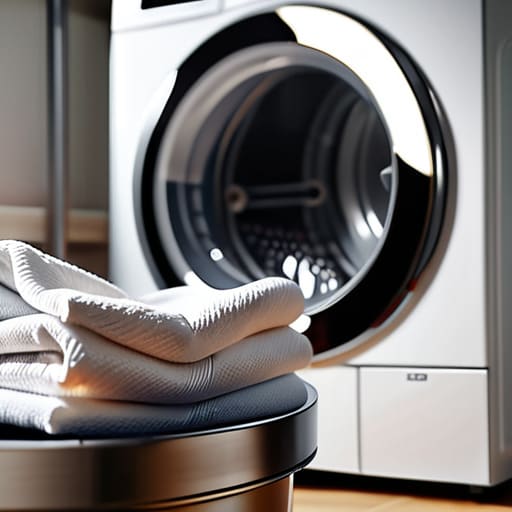
Beyond just the lint trap, how you actually load the machine changes everything. I’ve seen people cram a whole week’s worth of heavy towels into one cycle, thinking it saves time. In reality, you’re just creating a massive, damp clump that forces the motor to work twice as hard. To focus on improving dryer drying time, try loading in smaller, looser batches. This allows the hot air to actually circulate through the fabric rather than just swirling around a dense mass of wet clothes.
Another habit that makes a massive difference is checking your load’s spin cycle before it even hits the dryer. If your washing machine leaves your clothes feeling heavy and dripping, your dryer is going to struggle. I always recommend running an extra high-speed spin cycle; it’s a tiny bit more electricity, but it’s far more efficient than letting the dryer struggle for an extra forty minutes. Keep an eye out for the signs of clogged dryer vent—like clothes feeling slightly damp even after a full cycle—because that usually means your habits or your hardware need an immediate adjustment to keep your energy bills from spiking.
Energy Saving Appliance Tips for Every Budget

If you’re on a tight budget, you don’t need to go out and buy a new, high-efficiency machine to see real savings. The most effective energy saving appliance tips usually cost nothing but a bit of your time. Start by auditing your routine: only run full loads when possible, and try using wool dryer balls to create air pockets between clothes. This simple hack helps with improving dryer drying time without adding a cent to your utility bill.
However, if you have a little extra to spend, invest in a high-quality vacuum attachment or a specialized brush kit. Most people forget about the cleaning lint trap deep clean that goes beyond just the mesh screen; you need to ensure the housing itself isn’t packed with debris. Beyond the savings, don’t overlook the safety aspect. Neglecting the ductwork creates serious fire hazards from lint buildup, which is a risk no amount of money can fix. If you notice your clothes are still damp after a long cycle, take it as a red flag—it’s one of the clearest signs of clogged dryer vent issues that need immediate attention.
5 Ways to Stop Lint from Killing Your Efficiency
- Clean that lint trap every single load. I know it’s a chore, but a clogged filter forces your dryer to work twice as hard, pulling more power just to push air through a layer of fuzz.
- Check your external vent hose for buildup. If you see a massive clump of lint sitting in the hose, your dryer is basically suffocating, which sends your energy bills straight up.
- Don’t overstuff the drum. If you pack it too tight, the hot air can’t circulate, and the lint gets trapped in the fabric instead of being pulled into the filter, making the whole cycle inefficient.
- Inspect the vent exit outside your house. If you notice lint piling up around the exterior vent flap, it’s a sign your internal system is struggling to clear itself out.
- Use a vacuum attachment to deep-clean the filter housing. Once a month, get in there and suck out the fine dust that settles beneath the mesh—it’s the stuff you can’t see that really kills your airflow.
The Bottom Line on Lint and Efficiency
Clean that lint trap every single load; it’s the simplest way to cut down on drying time and stop your electricity meter from spinning faster than it needs to.
Check your vent hose for buildup periodically, because a clogged exhaust is just a hidden energy leak that forces your machine to work twice as hard.
Treat lint maintenance as a budget hack, not a chore—keeping your dryer clear is one of the easiest ways to keep your monthly utility bills from creeping up.
The Invisible Energy Drain
“Most people see a clogged lint trap as just a chore, but I see it as a literal leak in your bank account. If you’re letting that buildup sit, you’re essentially paying your utility company extra just to fight against your own machine.”
Tobias Nkemdirim
Stop Letting Your Money Vanish Into the Lint Trap
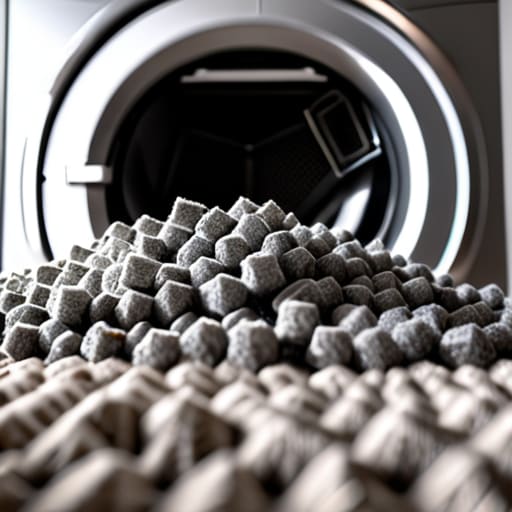
At the end of the day, managing your tumble dryer isn’t about complex engineering; it’s about the small, consistent habits that keep your home running lean. We’ve looked at how a simple lint sweep, optimizing your drying loads, and keeping an eye on your appliance’s settings can collectively slash your utility bills. It’s easy to ignore a little bit of fuzz, but as someone who spends my days auditing heat leaks and energy waste, I can tell you that neglect is expensive. Don’t let a clogged trap or inefficient habits trick you into throwing money directly into the air every time you run a cycle.
I know that when you’re juggling a busy life, the last thing you want to think about is appliance maintenance. But sustainability shouldn’t be a luxury reserved for people with massive budgets or high-end smart homes. It’s found in these tiny, practical adjustments that protect both your wallet and the planet. By taking control of these small details, you’re proving that living efficiently is accessible to everyone. Let’s stop wasting energy just because it’s convenient and start making our homes work harder for us. It’s time to take charge of your footprint, one load at a time.
Frequently Asked Questions
How often should I actually be cleaning the lint trap to see a real difference in my energy bill?
Look, if you want to see a dent in your utility bill, you need to make this a non-negotiable habit: clean the lint trap after every single load. I know it feels like a chore, but waiting until the trap looks “full” is already too late. When that mesh is even partially clogged, your dryer has to work twice as hard to pull air through, dragging up your energy usage and shortening the machine’s lifespan.
If my dryer is still taking forever to dry clothes even after cleaning the lint, is there a deeper vent issue I should check for?
If you’ve cleared the trap and it’s still struggling, you likely have a restricted vent line. I’ve seen this a dozen times during audits. If the hot, moist air can’t escape your house efficiently, your dryer just recirculates damp air, wasting massive amounts of electricity. Grab a flashlight and check the exterior vent flap—if it’s stuck or clogged with lint buildup deep in the duct, your efficiency is shot. It’s a fire hazard, too.
Is it worth investing in a specialized lint brush for the internal parts, or is just clearing the filter enough?
Look, if you’re just clearing the filter, you’re only doing half the job. I’ve seen enough machines where lint has migrated past the mesh and settled deep in the internal housing. It creates a heat barrier that makes your dryer work twice as hard for half the result. A specialized lint brush isn’t a luxury; it’s a tool for efficiency. Spend the few bucks to get into those tight spots—it’ll pay for itself in energy savings.
