
I still remember my first apartment—a drafty, poorly insulated studio where every cent spent on utilities felt like a personal insult. I remember standing in my kitchen at 2 AM, listening to my old freezer hum like a jet engine, working overtime just to keep a bag of frozen peas from thawing. Most people think that if your appliance is running, it’s doing its job, but that’s a lie that costs you money. Neglecting basic freezer maintenance isn’t just a chore you can push to next month; it’s essentially leaving your window open in the middle of winter and wondering why your electric bill is skyrocketing.
I’m not here to sell you on expensive, high-tech gadgets or complicated service contracts that only benefit the manufacturers. My goal is to give you the practical, data-backed reality of keeping your unit efficient without breaking the bank. I’m going to walk you through the specific, low-effort steps I use during my audits to ensure your appliance isn’t bleeding cash. We’re going to focus on the small, smart adjustments that actually move the needle on your energy consumption.
Table of Contents
- Mastering Freezer Temperature Settings to Slash Your Monthly Bills
- The Hidden Energy Drain Why a Freezer Seal Inspection Matters
- 5 Low-Effort Fixes to Stop Your Freezer From Eating Your Budget
- The Bottom Line: Quick Wins for a More Efficient Freezer
- ## The Cost of Neglect
- Cutting the Cord on Energy Waste
- Frequently Asked Questions
Mastering Freezer Temperature Settings to Slash Your Monthly Bills

Most people treat their freezer dial like a “set it and forget it” tool, but that’s a mistake. I’ve seen too many units running at sub-zero temperatures that aren’t even necessary, essentially forcing the compressor to work overtime for no reason. For most standard models, the sweet spot is 0°F (-18°C). If you’re cranking it down to -10°F just because you think “colder is better,” you’re essentially throwing money out of your window.
I always recommend checking your thermometer once a month. It’s a quick habit, but it helps you spot if your freezer temperature settings are actually doing their job or if your unit is struggling. If you notice the temperature fluctuating wildly, it’s often a sign that you need to look closer at preventing ice buildup or checking your seals. A stable, consistent temperature is the backbone of an efficient kitchen; it keeps your food safe and ensures your electricity meter isn’t spinning faster than it needs to. Stop guessing and start measuring—it’s the easiest way to gain control over your monthly utility costs.
The Hidden Energy Drain Why a Freezer Seal Inspection Matters
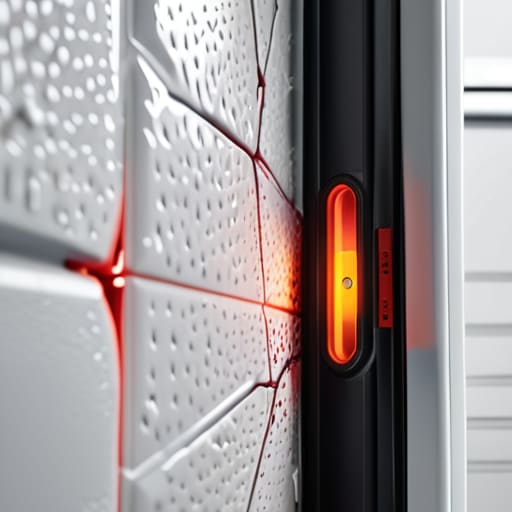
I’ve spent way too many afternoons pointing my infrared thermometer at door gaskets, only to find a massive temperature spike right where the rubber meets the metal. If your seal is cracked or even just slightly compressed, you’re essentially paying to cool your entire kitchen. Every time that warm air sneaks in, your compressor has to kick into overdrive to compensate. It’s a silent, invisible tax on your utility bill that most people ignore until they see that spike in their monthly statement.
A proper freezer seal inspection is one of those low-effort, high-reward tasks that I always recommend during my audits. A quick trick I use is the “dollar bill test”: close the door on a banknote; if it slides out easily, your seal is shot. Beyond just checking for gaps, you need to keep the rubber clean. Spilled juice or crumbs can create tiny openings that allow cold air to escape. Keeping those edges supple and clean is one of the most effective energy efficient appliance tips you can implement without spending a dime on fancy new tech.
5 Low-Effort Fixes to Stop Your Freezer From Eating Your Budget
- Stop the frost buildup; if you see thick ice layers, get that defrost cycle going immediately because ice acts like an insulator that forces your compressor to work twice as hard.
- Don’t leave it half-empty; a full freezer holds its temperature much better than an empty one, so if you’re low on groceries, toss in a few jugs of water to act as thermal mass.
- Clear the breathing room; make sure you aren’t shoving food right up against the back walls or blocking the vents, otherwise, you’re just creating hot spots and wasting power.
- Give those coils a vacuum; if your freezer is tucked under a counter, grab your vacuum and suck the dust off the condenser coils to help the unit shed heat efficiently.
- Check your load habits; try to avoid opening the door every five minutes to “check” on things, as every second the door is open, you’re literally letting cold air—and your money—leak out.
The Bottom Line: Quick Wins for a More Efficient Freezer
Stop guessing with your settings; keep your freezer at exactly 0°F (-18°C) to balance food safety with energy savings.
Check your seals regularly—if you can feel a draft or see frost buildup, you’re literally letting money leak out of your kitchen.
Keep your coils clean and your freezer full to ensure the unit doesn’t have to work overtime just to stay cold.
## The Cost of Neglect
Most people think a freezer is just a “set it and forget it” appliance, but every millimeter of frost buildup and every loose seal is essentially a tiny leak in your bank account. Maintenance isn’t about being obsessed with tech; it’s about making sure your hard-earned money isn’t literally evaporating into thin air.
Tobias Nkemdirim
Cutting the Cord on Energy Waste
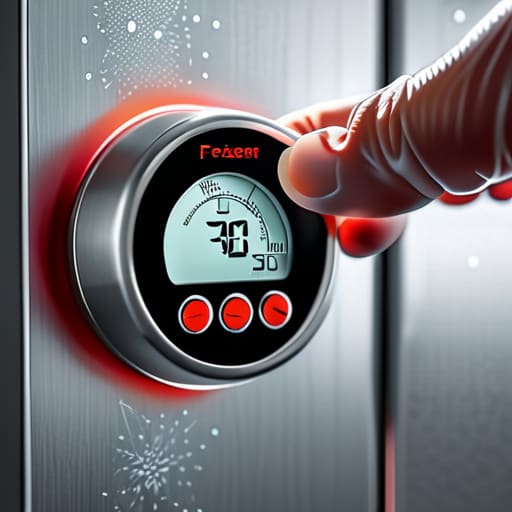
At the end of the day, keeping your freezer running efficiently isn’t about buying a brand-new, high-tech appliance; it’s about the small, intentional habits you build around the one you already own. From dialing in those temperature settings to ensuring your door seals aren’t letting expensive cold air escape, these steps are all about reclaiming control over your utility bills. I’ve spent enough time with my infrared thermometer to know that a tiny gap in a gasket or a layer of frost buildup isn’t just a minor annoyance—it’s a constant, silent drain on your hard-earned money and our shared environment.
We often feel like living sustainably requires a massive lifestyle overhaul or a huge bank account, but that’s just not true. Real change happens in the kitchen, in the laundry room, and in the way we maintain the tools we use every single day. By taking ten minutes to clean those coils or check your seals, you’re proving that efficiency is accessible to everyone. Don’t let your appliances dictate your expenses. Start small, stay observant, and remember that every watt you save is a win for your wallet and the planet.
Frequently Asked Questions
How often should I actually be defrosting my freezer to keep it from working overtime?
If you see frost building up more than a quarter-inch thick, it’s time to pull the plug. That ice acts like an insulator, forcing your compressor to work double-time just to fight through the frozen layer. Ideally, I aim for a deep defrost every six months, but if you’re running a high-use unit, you might need to do it more often. Don’t let ice buildup turn your freezer into a massive energy sink.
Is it really worth the effort to clean the condenser coils, or is that just an urban legend?
It’s definitely not an urban legend. I’ve seen too many people ignore their coils, only to wonder why their compressor is running 24/7. When those coils are choked with dust and pet hair, your freezer has to work twice as hard to shed heat. It’s like trying to run a marathon while breathing through a straw. Clean them out once or twice a year; it’s a ten-minute job that keeps your electricity bill from creeping up.
Can I save more energy by grouping frozen items together, or does that actually make the unit struggle?
Actually, grouping your frozen goods is a smart move. Think of your frozen food as “thermal mass.” When you open the door, cold air escapes and warm air rushes in. If your freezer is half-empty, that cold air just falls out, and the compressor has to work overtime to cool the new air. A full freezer holds onto its temperature much better. Just don’t pack it so tight that you block the airflow vents.
