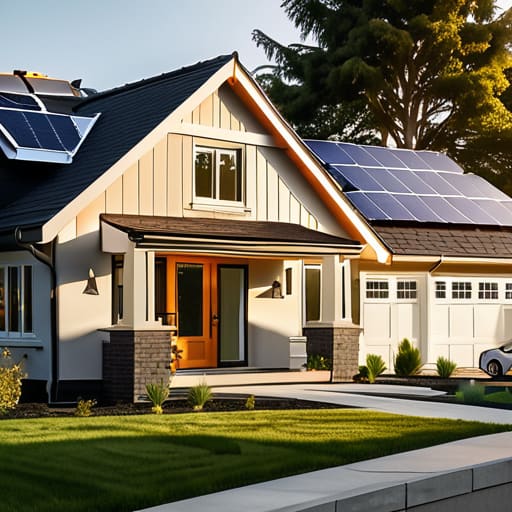
I remember sitting in my old rental apartment, staring at a utility bill that felt more like a ransom note than a monthly expense. I was freezing, yet I was paying a premium just to keep the heater running for a few hours. When I first started looking into solar panel installation, I was met with two extremes: glossy brochures promising “energy independence” for the ultra-wealthy, or aggressive salespeople claiming you’d never pay a cent for power again. Both felt like total nonsense. The truth is, most people aren’t looking for a lifestyle brand; they just want to stop bleeding money to a power grid that’s getting more expensive by the day.
I’m not here to sell you on a dream or a high-end luxury upgrade. My goal is to strip away the marketing fluff and give you the practical, data-driven reality of what it actually takes to go solar. I’ll walk you through the real costs, the technical stuff you actually need to care about, and how to avoid the common pitfalls that turn a smart investment into a headache. Let’s figure out how to make your home work for you, without breaking the bank.
Table of Contents
- Maximizing Your Photovoltaic System Efficiency Without Breaking the Bank
- Why Solar Installer Certification Matters for Your Wallet
- 5 Ways to Stop Wasting Money During Your Solar Setup
- The Bottom Line on Going Solar
- ## The Real Cost of Cutting Corners
- The Bottom Line on Going Solar
- Frequently Asked Questions
Maximizing Your Photovoltaic System Efficiency Without Breaking the Bank
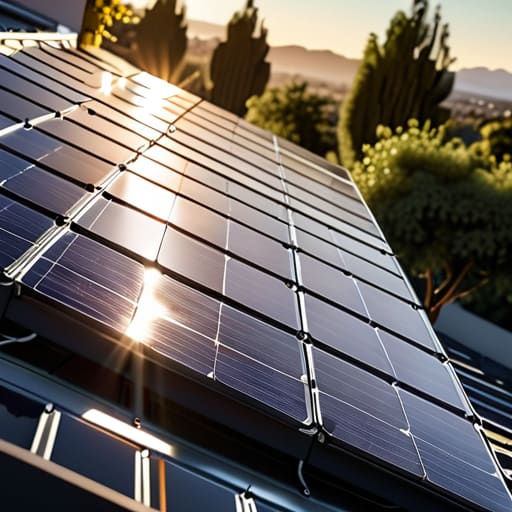
Once you’ve got the hardware on your roof, the real work begins. Most people think the job is done once the panels are up, but if you aren’t mindful of how your photovoltaic system efficiency is managed, you’re essentially leaving money on the table. I’ve seen too many setups struggle simply because of poor placement or shade from a single overgrown tree. Before you commit to a massive upgrade, grab a ladder and check your angles. Even a slight shift in how your panels catch the sun can make a massive difference in your monthly output.
Another thing I always check during my audits is the quality of the solar panel mounting hardware. It might seem like a minor detail, but cheap, flimsy mounts can lead to micro-vibrations or improper spacing, which affects how heat dissipates from the cells. If your panels run too hot, they actually lose efficiency. You don’t need a million-dollar budget to optimize your setup; you just need to be smart about the fundamentals. Keep the surfaces clean, keep them cool, and ensure your wiring is tight to prevent any unnecessary energy bleed.
Why Solar Installer Certification Matters for Your Wallet
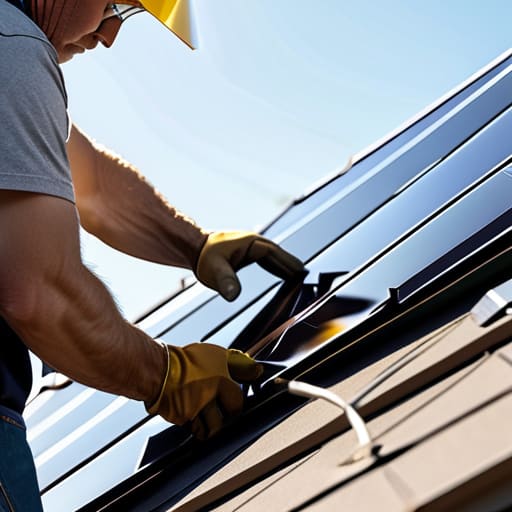
Look, I’ve seen it too many times during my audits: a homeowner tries to save a few hundred bucks by hiring a “handyman” instead of a pro, only to end up with a system that underperforms or, worse, leaks. When you’re investing in residential solar energy systems, you aren’t just buying hardware; you’re buying a long-term electrical setup. A certified professional understands the nuances of how different components interact. Without that expertise, you might face issues with poor solar panel mounting hardware placement or improper wiring that creates massive energy drags.
A certified pro doesn’t just slap panels on your roof; they understand the math behind your specific energy needs. They can provide a realistic solar energy cost breakdown that accounts for long-term maintenance and actual output, rather than just giving you a flashy sales pitch. If the installation is sloppy, your photovoltaic system efficiency will tank, and you’ll be back to overpaying the utility company within a year. Investing in a certified installer is basically insurance for your ROI.
5 Ways to Stop Wasting Money During Your Solar Setup
- Don’t just look at the sticker price; calculate your ROI. I’ve seen people get blinded by a low upfront cost only to realize the hardware is cheap junk that won’t last ten years. Look at the projected energy yield over the system’s lifespan, not just what you pay today.
- Check your roof’s orientation and shading before you commit. I always pull out my thermometer or a sun-path app to see if a single tree is going to tank your efficiency. If your panels are sitting in the shade half the day, you’re basically paying for expensive decorations.
- Prioritize battery storage if your utility company has nasty peak-hour rates. It’s one thing to make power, but it’s another to actually use it when it’s most expensive. Storing that excess energy for the evening is how you actually see those massive drops in your monthly bill.
- Audit your home’s “leakiness” before you install the panels. There’s no point in generating massive amounts of clean energy if your heat is escaping through a drafty window or poor insulation. Fix the leaks first so the solar power you’re making actually goes toward keeping you comfortable.
- Get a detailed breakdown of the inverter technology. The panels get the sun, but the inverter handles the actual electricity your house uses. A cheap, inefficient inverter can bleed energy like a sieve, which completely defeats the purpose of having a high-end solar array.
The Bottom Line on Going Solar
Don’t just chase the lowest quote; prioritize certified installers who understand how to maximize your specific setup so you aren’t wasting energy—or money—from day one.
Efficiency isn’t about buying the most expensive hardware, but about making smart, strategic choices that ensure every kilowatt you generate actually goes toward lowering your bills.
Sustainability shouldn’t be a luxury, so focus on incremental, high-impact upgrades that make your solar investment pay for itself as quickly as possible.
## The Real Cost of Cutting Corners
“I’ve seen too many people treat solar like a quick fix to lower their bills, only to end up with a system that underperforms because they prioritized the cheapest quote over a proper installation. If you don’t get the technical foundation right from day one, you aren’t saving money—you’re just subsidizing inefficiency.”
Tobias Nkemdirim
The Bottom Line on Going Solar
At the end of the day, getting solar right isn’t about buying the most expensive setup on the market; it’s about being smart with your resources. We’ve looked at how maximizing your system’s efficiency keeps your ROI high and why cutting corners on installer certification is a fast track to losing money in the long run. If you focus on the data—optimizing your energy use and hiring professionals who actually know their stuff—you aren’t just installing hardware on your roof; you are securing your financial independence from rising utility rates.
I know that looking at the upfront costs can feel overwhelming, especially when you’re already juggling a tight monthly budget. But I’ve seen enough thermal leaks and wasted kilowatts to know that the cost of doing nothing is actually much higher. Transitioning to solar is a practical, calculated move toward a lifestyle that is both sustainable and affordable. You don’t need to be a millionaire to make a difference or to take control of your power bills. Start small, do your research, and let’s stop letting our hard-earned money leak out of the house along with our energy.
Frequently Asked Questions
How long will it actually take for the system to pay for itself through my monthly utility savings?
Look, I get the skepticism. You’re staring at a big upfront cost and wondering when you’ll actually see that money again. Honestly? It depends on your local rates and how much sun your roof actually catches, but most of my clients see a return in 6 to 10 years. If you pair the panels with smart energy habits—like running heavy appliances during peak sunlight—you can shave years off that timeline. It’s a math game, not a magic trick.
Can I still use solar if my roof is old or faces the wrong direction?
Look, I’ve audited plenty of homes where the roof looked like a disaster zone or faced North, and the answer is usually yes—but with caveats. If your roof is structurally unsound, fix that first; you don’t want heavy panels on a crumbling base. As for direction, North-facing roofs aren’t ideal, but high-efficiency panels and optimized mounting can still make them work. It’s about maximizing what you have, not waiting for a perfect setup.
What kind of maintenance do I actually need to do, or is it just "set it and forget it"?
Look, I get the appeal of “set it and forget it,” but if you want those efficiency numbers to actually hold up, you can’t just walk away. Most of the time, it’s just basic upkeep—keeping the panels clear of heavy debris or bird droppings that create shade. I usually recommend a quick visual check once a season. If you notice a sudden drop in your output, it’s time to dig deeper. Don’t let neglect kill your ROI.
