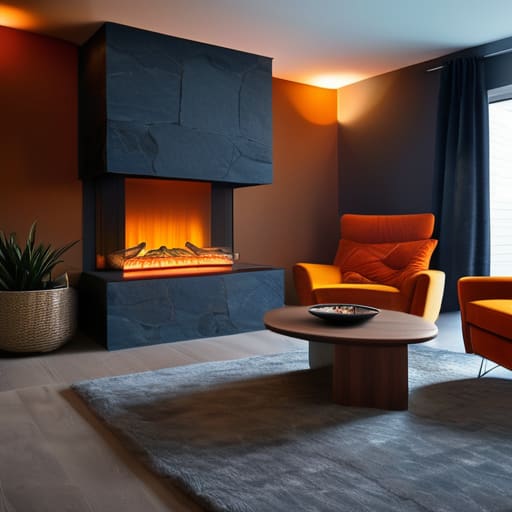
I still remember sitting in my old rental apartment three winters ago, wrapped in two blankets and shivering while staring at a utility bill that made zero sense. I was trying to heat a drafty living room with a central system that was clearly fighting a losing battle against the cold. I started looking into supplemental heating, but every time I searched for the electric fireplace cost, I was met with two extremes: cheap, plastic-looking heaters that felt like a fire hazard, or massive, luxury installations that cost more than my monthly rent. It’s frustrating because most people think you have to choose between burning through your savings or living in a freezer.
I’m not here to sell you on some high-end designer piece that looks pretty but drains your bank account every time you flip the switch. My goal is to give you the actual, data-driven breakdown of what you’ll spend upfront versus what you’ll see on your monthly power bill. I’ll help you navigate the real electric fireplace cost so you can find a solution that is actually sustainable for your budget and your home.
Table of Contents
- Managing Your Built in Electric Fireplace Budget
- Hidden Electric Fireplace Installation Expenses to Watch
- How to Keep Your Electric Fireplace from Becoming a Money Pit
- The Bottom Line on Electric Fireplace Costs
- The Real Cost of Warmth
- The Bottom Line on Your Electric Fireplace Investment
- Frequently Asked Questions
Managing Your Built in Electric Fireplace Budget
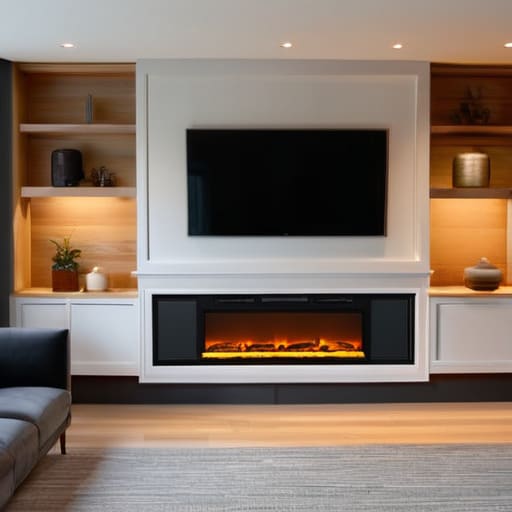
When you’re looking at a built-in setup, you have to look past the sticker price of the unit itself. Integrating a heater into your architecture means you’re dealing with more than just a plug-and-play device. I always tell my clients to set aside a specific portion of their built in electric fireplace budget for the “hidden” stuff: the cabinetry, the custom mantel, or even the electrical work required to ensure you aren’t overloading an old circuit. If you’re planning a full renovation, these electric fireplace installation expenses can sometimes rival the cost of the fireplace itself, so don’t let them catch you off guard.
I also suggest weighing the upfront investment against your long-term lifestyle. For instance, if you’re deciding between a massive floor-to-ceiling feature and a simpler wall mounted electric fireplace price point, consider your space and your heating needs. A well-chosen, high-quality unit might cost more today, but it often leads to better energy efficient electric heating over time. It’s about finding that sweet spot where the initial spend doesn’t leave you “house poor,” but the efficiency keeps your monthly utility bills from spiking.
Hidden Electric Fireplace Installation Expenses to Watch
When you start looking at unit prices, it’s easy to forget that the sticker on the box isn’t the final number. I’ve seen so many people get blindsided by the “hidden” side of electric fireplace installation expenses. If you aren’t doing a simple plug-and-play model, you’re likely looking at electrical work. If your chosen spot doesn’t have a dedicated outlet nearby, you’ll need an electrician to run a new line to avoid tripping breakers. That’s a labor cost that can easily rival the price of the fireplace itself.
Then there’s the aesthetic side. If you’re going for that sleek, seamless look, you have to account for the mantel, the surround, or even custom carpentry to recess the unit into the wall. A wall mounted electric fireplace price might look affordable on paper, but once you factor in the mounting hardware and the professional help to ensure it’s perfectly level and secure, the math changes. I always tell my clients: always budget an extra 20% for the “finishing touches” so you aren’t left with a beautiful heater hanging awkwardly on a bare wall.
How to Keep Your Electric Fireplace from Becoming a Money Pit
- Watch your wattage, not just the price tag. A cheap unit might look great, but if it’s pulling massive amounts of power to heat a large room, your monthly utility bill will eat those initial savings alive.
- Match the unit to your actual square footage. I see people buying massive, high-output heaters for tiny studio apartments all the time; it’s a waste of energy and a waste of your money.
- Don’t overlook the plug. If you’re planning to run a high-wattage unit, make sure you aren’t overloading an old circuit, or you’ll be paying an electrician a lot more than you planned just to get it running safely.
- Opt for models with smart thermostat controls. Being able to set a specific temperature means the unit isn’t just running blindly, which is one of the easiest ways to shave a few bucks off your energy bill every month.
- Check the “heat” vs. “flame” settings. If you just want the vibe without the cost, look for units that allow you to run the LED flame effect without turning on the heating element—it’s perfect for those mild spring evenings.
The Bottom Line on Electric Fireplace Costs
Don’t just look at the sticker price; always factor in the “invisible” costs like electrical upgrades or professional installation to avoid a budget blowout.
An electric fireplace is a tool for targeted heating, not a replacement for your whole-home system, so use it to heat the room you’re actually in to see real savings.
Prioritize energy-efficient models with smart thermostat controls; spending a little more upfront on a better unit will save you way more in the long run on your monthly utility bills.
The Real Cost of Warmth
“When I’m auditing a room, I’m not just looking at the sticker price of a heater; I’m looking at the long-term drain on your wallet. A cheap electric fireplace that leaks heat or pulls massive amounts of power is just a different way of burning cash.”
Tobias Nkemdirim
The Bottom Line on Your Electric Fireplace Investment
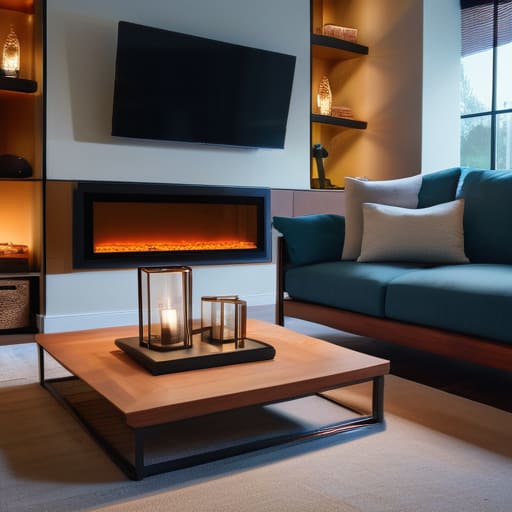
At the end of the day, figuring out the cost of an electric fireplace isn’t just about looking at the price tag on the box. You have to account for the initial unit cost, the potential for professional installation, and those sneaky electrical upgrades that might be hiding behind your walls. If you’re smart about it—focusing on high-efficiency models and planning for your wiring ahead of time—you can avoid the “sticker shock” that usually comes with home upgrades. It’s all about balancing your upfront budget against the long-term savings you’ll see in your monthly utility bills. Don’t let the hidden expenses catch you off guard; do the math first so you can invest with confidence.
I know how frustrating it is to feel like you’re constantly throwing money at a house that won’t stay warm. But choosing an electric fireplace isn’t just a way to add some aesthetic vibes to your living room; it’s a tactical move toward a more controlled, efficient home. You don’t need to overhaul your entire house to make a difference. By making these intentional, data-backed choices, you’re proving that sustainability doesn’t have to be a luxury reserved for the wealthy. Start small, keep your heat where it belongs, and stop letting your hard-earned money leak out of the room.
Frequently Asked Questions
How much will adding an electric fireplace actually change my monthly electricity bill?
It really depends on how much you use it, but here’s the reality: an electric fireplace is a localized heat source. If you’re using it to heat a whole room rather than cranking the central HVAC, you’ll likely see a net saving. Most units pull around 1,500 watts. If you run it for a few hours a night, expect an increase of roughly $15–$30 a month, depending on your local utility rates.
Is it cheaper in the long run to buy a high-end model or a budget-friendly one?
Look, it’s a classic trade-off. If you grab a budget model, you’re saving cash upfront, but you might deal with inefficient heating elements or cheap components that die in two years. I always tell my clients: don’t just look at the sticker price. A higher-end model with better energy management and build quality usually wins the long game. You’ll spend more now, but you won’t be replacing it—or wasting money on inefficient heating—next season.
Are there specific energy-efficient features I should look for to avoid wasting power?
Don’t just look at the price tag; look at the wattage. I always check for adjustable thermostat settings and multiple heat levels—if you can’t dial it down to a low setting, you’re just burning money. Look for units with LED displays and programmable timers so they aren’t running while you’re asleep. Most importantly, prioritize models with high-efficiency heating elements that distribute warmth evenly, rather than just blasting hot air in one direction.
