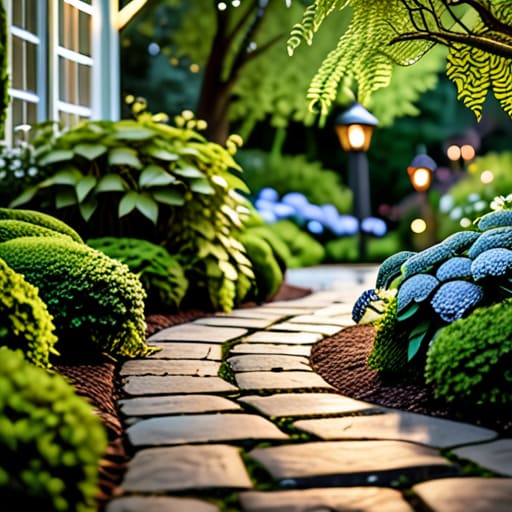
I was sitting in my backyard last November, staring at a row of cheap, plastic stakes I’d bought on a whim, watching them flicker and die before the sun was even fully down. It’s the same trap I see people fall into constantly: thinking that solar garden lighting has to be either a massive, expensive professional installation or a collection of useless, flimsy trinkets that end up in a landfill after one season. Most people think you need a huge upfront investment to have a well-lit outdoor space, but that’s just bad engineering and a waste of your hard-earned money.
I’m not here to sell you on some high-end, designer lifestyle brand that costs more than your monthly grocery bill. My goal is to show you how to pick functional, durable gear that actually works when the sun goes down. I’ll be sharing the data-driven truth about what to look for in terms of battery life and lumen output so you can stop wasting electricity just for the sake of convenience. We’re going to find the smart, budget-friendly middle ground that keeps your garden bright and your utility bills exactly where they should be: low.
Table of Contents
Smart Energy Efficient Garden Lighting Ideas for Every Budget

If you’re working with a tight budget, you don’t need to overhaul your entire yard to see a difference. I usually tell my clients to start small—think about high-traffic areas first. A simple solar path light installation along your main walkway is one of the most effective ways to add safety without adding a cent to your monthly electric bill. You can pick up basic, reliable units for very little, and they do the job of guiding you home without the need for messy wiring or expensive electrical work.
For those who want to get a bit more creative with their space, I’ve found that weatherproof outdoor solar lamps can serve as great focal points. Instead of lighting up every square inch, which is just a waste of energy, try placing a few units near a specific plant or a stone feature. This creates a sense of depth through “layered” lighting. If you’re looking for something more decorative, look into photovoltaic garden decor like solar-powered lanterns. It’s about being intentional with where the light goes, ensuring you aren’t just burning power for the sake of it.
Affordable Photovoltaic Garden Decor That Actually Works
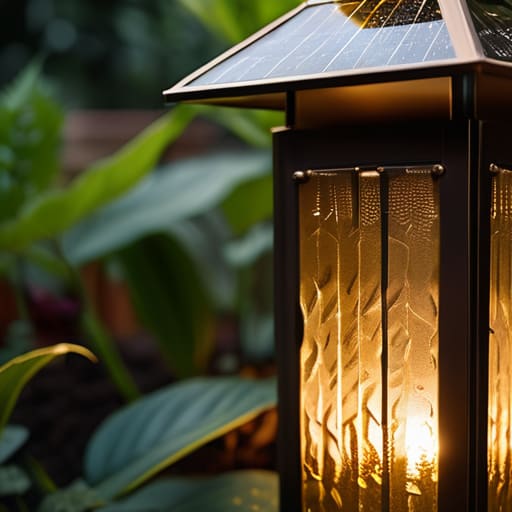
When you’re looking at cheap options online, it’s easy to get caught up in the aesthetics and forget the actual tech. I’ve seen too many people buy these flimsy, plastic things that die after one rainy season. If you want photovoltaic garden decor that actually holds up, you have to look at the build quality of the housing and the battery type. I always tell my clients: don’t just buy what looks pretty in the catalog; check if it’s rated for your specific climate.
For a practical setup, I recommend focusing on weatherproof outdoor solar lamps that feature high-efficiency monocrystalline panels. These are much better at pulling energy even on overcast days compared to the cheaper polycrystalline versions. If you’re planning a solar path light installation, prioritize units with a solid metal or high-grade resin casing. It might cost a few extra dollars upfront, but it prevents you from replacing the same broken light every six months, which is both a waste of money and a waste of resources.
5 Ways to Get the Most Out of Your Solar Setup
- Position your lights for maximum sun exposure. I always check the path of the sun throughout the day before I set anything down; if a light spends half the afternoon in the shadow of your house, it’s just going to be a dim, useless piece of plastic by 8 PM.
- Clean your panels regularly. It sounds like a chore, but a layer of dust or pollen can significantly drop the efficiency of the photovoltaic cells. A quick wipe with a damp cloth keeps the energy intake high so you aren’t left in the dark.
- Don’t overdo the quantity. You don’t need a lit-up runway to make a garden look good. I’ve seen people waste money on dozens of cheap lights that die by midnight; instead, buy three or four decent quality ones and place them where they actually matter.
- Check the battery life every season. Solar tech is great, but the batteries inside these units eventually degrade. If you notice your lights are getting dimmer or staying on for less time, it’s usually a sign the battery is struggling and needs a swap.
- Match the light temperature to your environment. If you want a cozy, sustainable vibe, look for “warm” LEDs rather than that harsh, blueish light. It looks more natural and is generally much easier on the local nocturnal wildlife.
The Bottom Line on Solar Garden Lighting
Don’t fall for cheap, low-quality solar kits; investing slightly more in reliable photovoltaic tech saves you money in the long run by preventing constant replacements.
Focus on functionality over aesthetics—use smart lighting to secure your paths and reduce your grid reliance, rather than just adding clutter.
Small, strategic changes like switching to solar for outdoor spaces are the easiest way to cut your utility bills without needing a massive upfront budget.
The Real Value of Solar Lighting
“I’ve spent too many hours pointing an infrared thermometer at drafty windows, but when it comes to your garden, the math is simpler: if you’re plugging lights into a wall outlet just to see your walkway at night, you’re literally burning money for the sake of convenience.”
Tobias Nkemdirim
Making the Switch
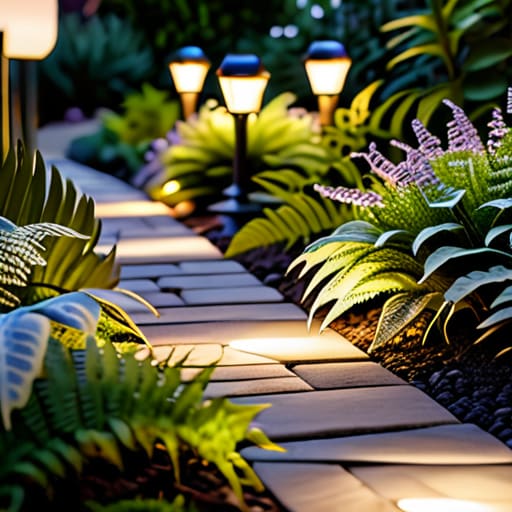
At the end of the day, upgrading your outdoor space doesn’t have to mean adding another line item to your monthly utility bill. We’ve looked at how everything from basic photovoltaic decor to more intentional, high-efficiency lighting setups can transform your garden without draining your wallet. The goal isn’t to buy the most expensive tech on the market, but to select tools that actually do the job efficiently. By choosing solar options that prioritize longevity and light output over cheap, disposable aesthetics, you’re effectively cutting out the wasted electricity that usually powers traditional outdoor sockets. It’s about being intentional with your energy use, ensuring that every lumen serving your garden is powered by the sun rather than a grid that’s costing you more than it should.
I know it can feel overwhelming to try and “go green” when everything seems designed to be expensive and complicated. But my experience auditing homes has taught me that sustainability isn’t an all-or-nothing game. It’s a series of small, calculated wins. Swapping out a few wired lights for reliable solar alternatives is a practical step toward a home that respects both your budget and the planet. You don’t need to overhaul your entire property overnight; you just need to start making choices that stop the waste. Let’s stop letting convenience dictate our carbon footprint and start building homes that actually work for us.
Frequently Asked Questions
How much actual light do I get from these, or are they just for decoration?
Look, I get the skepticism. I’ve seen plenty of “decorative” lights that barely glow enough to trip over. If you’re looking for security lighting to illuminate a dark path, these aren’t it. But if you want enough light to see your walkway or create a vibe for a patio, they do the job. Just match the lumens to your goal: use low-lumen ones for aesthetics and higher-output models if you actually need to see where you’re stepping.
Will they actually stay lit through a cloudy week, or do I need direct sunlight to charge them?
Look, I’ll be straight with you: if you’re getting a week of heavy overcast, don’t expect them to stay bright all night. Most budget solar lights rely on direct photons to top up their batteries. While they’ll still trickle-charge on cloudy days, the output will be significantly lower. If you want reliability in gloomier climates, look for units with higher-capacity lithium batteries or those specifically rated for low-light efficiency. Don’t settle for cheap ones that die by 9 PM.
Are cheap solar lights worth the investment, or will I just end up replacing them in six months?
Look, I’ve seen it too many times: someone buys a handful of $5 lights from a big-box store, they die after one rainy week, and then they end up in a landfill. That’s not efficiency; that’s just waste. If you’re on a tight budget, aim for the middle ground. Look for units with decent battery specs and actual LED components. It’s better to buy three quality lights that last years than ten cheap ones that break in six months.
