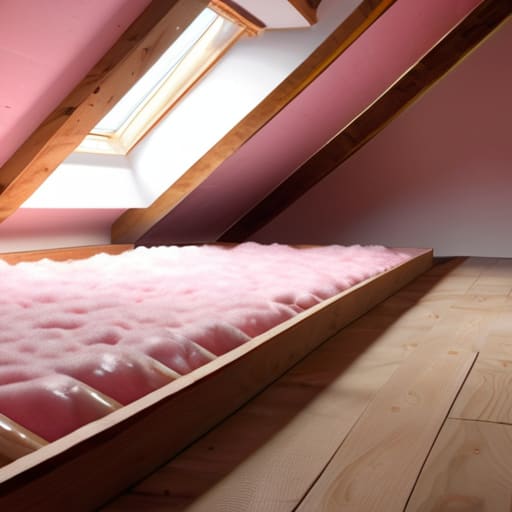
I still remember the winter I spent in that drafty rental apartment, shivering under three blankets while my heater ran non-stop, doing absolutely nothing to combat the chill. I spent half my paycheck just trying to stay warm, and it wasn’t until I pulled out my infrared thermometer and pointed it toward the ceiling that I realized the truth: I was basically paying to heat the outdoors. Most people think insulating the attic requires a massive, specialized contractor and a bank loan, but that’s just a myth designed to keep your wallet empty. The reality is much simpler, and honestly, much more attainable than the industry wants you to believe.
I’m not here to sell you on expensive, high-tech gadgets or complicated construction projects that you don’t actually need. My goal is to give you the straightforward, data-backed truth about how you can take control of your home’s temperature without breaking the bank. I’ll show you exactly where the leaks are hiding and how to approach insulating the attic in a way that actually makes sense for your budget. We’re going to focus on smart, practical moves that lower your bills and shrink your footprint, one layer at a time.
Table of Contents
- Choosing Your Defense Fiberglass vs Cellulose Insulation
- Mastering R Value for Attic Insulation Without Breaking the Bank
- Five Quick Wins to Seal Your Attic Before You Start
- The Bottom Line: Making Your Attic Work for You
- ## The Invisible Leak
- The Bottom Line on Attic Insulation
- Frequently Asked Questions
Choosing Your Defense Fiberglass vs Cellulose Insulation
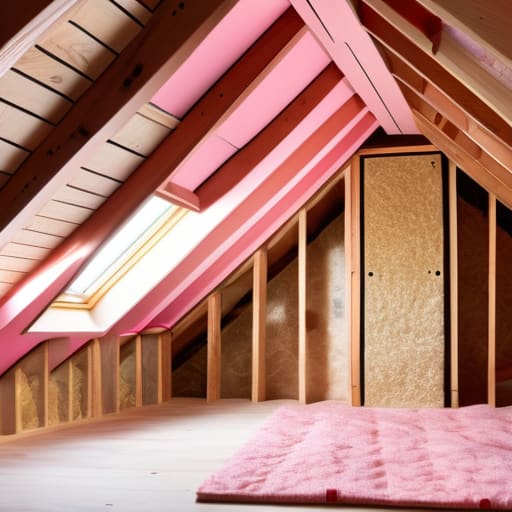
When you start looking at materials, you’ll quickly realize it isn’t just about what’s cheapest at the hardware store; it’s about what actually works for your specific space. The big debate usually boils down to fiberglass vs cellulose insulation. Fiberglass is the classic choice—those pink, fluffy batts you see everywhere. It’s easy to handle and relatively inexpensive, making it a solid entry point for basic energy efficiency home improvements. However, it can be tricky to get a perfect seal around awkward joists, and if you leave gaps, you’re basically just inviting drafts back into your living space.
If you want to get serious about preventing heat loss in homes, I usually lean toward cellulose. It’s made from recycled paper treated with borate, so it’s much more eco-friendly and fills those tiny nooks and crannies better than fiberglass does. Because it’s denser, it often provides a higher R-value for attic insulation in thinner layers. For me, the goal is always maximizing the thermal barrier without breaking the bank, and cellulose just feels like a smarter, more airtight way to keep the warmth where it belongs.
Mastering R Value for Attic Insulation Without Breaking the Bank
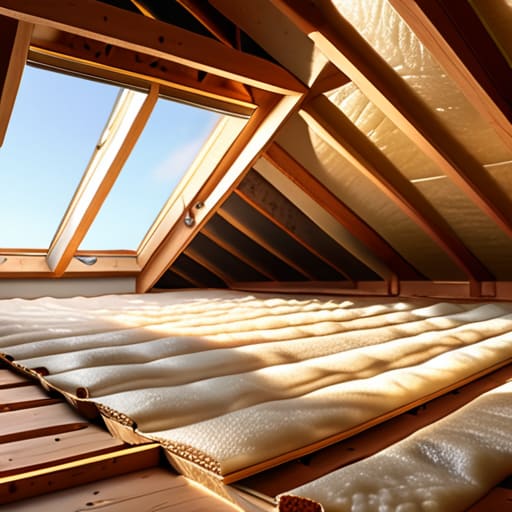
When you’re looking at insulation bags in the hardware store, you’re going to see a bunch of numbers labeled “R.” This is the R-value for attic insulation, and it’s basically a measurement of how well a material resists heat flow. Think of it as the “thickness” of your thermal shield. The higher the number, the better it is at preventing heat loss in homes. If you’re living in a colder climate, you’ll need a much higher R-value than someone in a temperate zone to keep that expensive warmth from escaping through your ceiling.
The trick is not to go overboard and spend a fortune on more than you actually need. I always tell my clients to check their local building codes first; that’s your baseline. Aiming for the recommended R-value for your specific region is one of those smart, data-driven moves that ensures you aren’t just throwing money at a problem. You want to find that sweet spot where you maximize your reducing heating and cooling costs without over-buying materials that will just sit in your garage.
Five Quick Wins to Seal Your Attic Before You Start
- Don’t just dump insulation on top of everything; you have to seal those air leaks first. I always grab my infrared thermometer to find where cold air is sneaking in around light fixtures or plumbing stacks—if you don’t seal the gaps, you’re just insulating the wind.
- Check your ventilation before you go heavy on the fluff. If you block your soffit vents with too much material, you’ll trap moisture and end up with mold, which is a much more expensive problem than a high utility bill.
- Mind the recessed lighting. Not all “can” lights are rated for direct contact with insulation; if you cover the wrong ones, you’re creating a fire hazard, so check the labels before you start spreading.
- Keep your insulation away from the attic hatch. A lot of people insulate the floor but forget the door itself. If that hatch isn’t weatherstripped or insulated, it’s basically a giant hole in your thermal defense.
- Aim for a continuous layer. Avoid leaving “valleys” or thin spots between the joists. You want a consistent blanket across the entire attic floor to ensure there aren’t any thermal bridges letting heat escape.
The Bottom Line: Making Your Attic Work for You
Don’t get paralyzed by the math; just aim for a higher R-value than you currently have to see an immediate drop in your heating and cooling costs.
Pick the material that fits your budget and DIY comfort level, whether that’s the ease of fiberglass batts or the superior coverage of blown-in cellulose.
Treat insulation as a long-term investment in your wallet rather than an upfront expense—the energy you save every month will eventually pay for the project itself.
## The Invisible Leak
“I’ve stood in plenty of drafty living rooms with my thermal scanner, watching the heat bleed straight up through the ceiling. It’s frustrating because you’re essentially paying to heat the neighborhood instead of your own home; fixing your attic insulation isn’t just an upgrade, it’s about plugging the biggest hole in your wallet.”
Tobias Nkemdirim
The Bottom Line on Attic Insulation
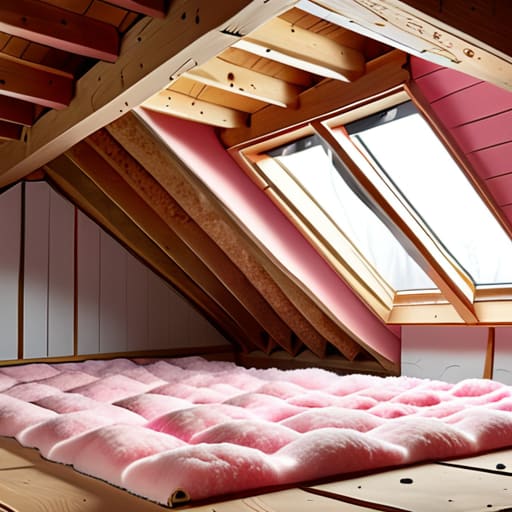
At the end of the day, insulating your attic isn’t about chasing some perfect, high-tech ideal; it’s about making a practical choice that works for your specific space and your wallet. Whether you decide to go with the ease of fiberglass batts or the superior coverage of blown-in cellulose, the goal remains the same: hitting that sweet spot with your R-value to stop the heat from escaping. I’ve seen too many people ignore this because they think it’s a massive, expensive undertaking, but once you understand the basics of material types and thermal resistance, you realize it’s one of the most impactful upgrades you can make. Don’t let a little bit of DIY intimidation keep you from locking in those energy savings for the long haul.
I still remember sitting in my old apartment, shivering through February because we couldn’t figure out why the heat wouldn’t stay put. It felt like we were just burning money to stay cold. Taking control of your home’s efficiency might feel like a chore at first, but it is one of the most empowering things you can do for your budget and the planet. You don’t need a massive renovation budget to start making a difference; you just need to stop the leaks where they matter most. Start small, be smart with your choices, and I promise you’ll feel the difference in both your utility bills and your peace of mind.
Frequently Asked Questions
Is it worth the effort to insulate my attic if I live in a warmer climate where heating isn't a huge issue?
Honestly, it’s actually more important in warmer climates. I see this all the time during my audits: people think insulation is just for keeping the heat in, but it’s really about thermal resistance. If your attic is a furnace, your AC is working overtime just to fight a losing battle. Insulating keeps that solar heat from radiating down into your living space, meaning your cooling bills drop and your unit lasts longer.
Can I DIY the insulation process myself, or am I going to end up making a mess of my electrical wiring and ventilation?
Look, I’ll be real: you can DIY most of this, but don’t go in blind. If you’re just blowing in cellulose, it’s mostly a mess management game. However, if you start moving wires or covering junction boxes, you’re looking at a fire hazard. My advice? Check your ventilation and wiring first. If everything looks clean and accessible, go for it. If it looks like a bird’s nest in there, call a pro.
How do I know if my current insulation is actually working, or if it's just old, compressed material that's lost its effectiveness?
The easiest way to tell is to look for “settling.” Insulation works by trapping air; if it’s been compressed into a thin, dense layer, it’s basically useless. Grab a flashlight and peek into your attic. If you see gaps or if the material looks matted and flat rather than fluffy, it’s lost its R-value. I often use my infrared thermometer to check for cold spots on the ceiling below—if the temp drops sharply, your insulation has failed.
