
I spent most of my early twenties living in a drafty rental where I felt like I was constantly fighting a losing battle against my utility bills. I remember walking into my kitchen at 2 AM, halfway through a snack, only to realize I’d left the overhead light blazing for three hours straight. It’s a small thing, but that kind of mindless waste is exactly what drives up costs and inflates your carbon footprint. Most people think you need a massive, expensive overhaul to fix this, but the truth is that smart sensor lighting is one of the simplest, most underrated tools we have to stop bleeding money through sheer convenience.
I’m not here to sell you on some over-hyped, “connected home” ecosystem that requires a PhD to install. My goal is to show you how to use practical, low-cost tech to automate your savings without the headache. I’ll walk you through which sensors actually work, where they make the most impact in a standard home, and how to avoid the expensive gadgets that don’t actually deliver on their promises. Let’s get your home running efficiently and affordably, one room at a time.
Table of Contents
Mastering Smart Lighting Energy Efficiency on a Budget
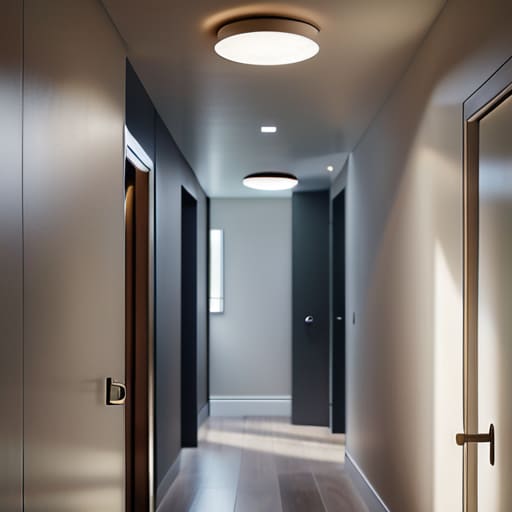
You don’t need a massive renovation budget to get these benefits. I always tell my clients that the most effective way to start is by targeting the “forgetful zones”—hallways, pantries, or laundry rooms where lights are constantly left on. Instead of rewiring everything, look into PIR motion sensor technology. These little devices are incredibly cheap and can be retrofitted into existing fixtures. They detect movement and kill the power the second a room goes empty, which is a massive win for your monthly utility bill.
When you’re shopping, keep an eye on the difference between occupancy vs vacancy sensors. Occupancy sensors turn lights on when you enter and off when you leave, which is great for convenience. However, if you’re on a strict budget, vacancy sensors are often a smarter play; they require you to manually turn the light on, but they handle the “turning it off” part for you. This ensures you never accidentally leave a light running overnight. It’s a small, logical tweak that turns a mindless habit into a smart lighting energy efficiency win without requiring a professional electrician.
Pir Motion Sensor Technology Small Tech Big Savings

When I’m doing a walkthrough of a client’s house, I often see lights burning in hallways or bathrooms where nobody has been for twenty minutes. That’s where PIR motion sensor technology actually earns its keep. Passive Infrared (PIR) sensors work by detecting the tiny amount of heat emitted by a person moving through a space. It’s not magic; it’s just physics. Instead of relying on you to remember to flick a switch, the sensor does the thinking for you, cutting out the “human error” factor that leads to massive energy leaks.
One thing I always tell people is to decide between occupancy vs vacancy sensors based on the room. I prefer occupancy sensors for bathrooms or kitchens because they turn the light on automatically when you walk in, but for a garage or a storage shed, a vacancy sensor—where you have to manually turn it on, but it turns itself off—is often more efficient. It’s a small hardware tweak, but it’s a massive win for smart lighting energy efficiency. You aren’t just saving a few cents; you’re stopping the habit of wasting power simply because you forgot.
5 Low-Cost Ways to Stop Lighting Waste Right Now
- Stop over-lighting hallways and landings; install a simple motion sensor so you aren’t paying to illuminate empty transit zones all night.
- Map out your “forgetful zones”—like the garage or pantry—and swap those standard bulbs for sensor-integrated ones to end the cycle of lights left on for days.
- Don’t just go smart, go dim; use sensors to trigger low-level ambient lighting at night instead of blasting full brightness every time you walk to the kitchen.
- Check your sensor sensitivity settings; if they’re too high, your lights stay on because of a pet or a breeze, which completely defeats the purpose of the tech.
- Prioritize high-traffic entryways; placing a sensor at your front door ensures you aren’t wasting power on a lit entryway when no one has been home for hours.
The Bottom Line: Small Tweaks, Real Savings
You don’t need a massive home automation budget to see results; starting with simple PIR sensors in high-traffic areas like hallways or bathrooms is the fastest way to cut down on mindless energy waste.
Treat lighting like any other utility—if a room is empty, the lights shouldn’t be on. Smart sensors automate this discipline so you don’t have to remember to flip the switch every single time.
Efficiency is about precision, not just replacement. It’s more effective to use smart technology to ensure light is only used when and where it’s actually needed, rather than just swapping bulbs and hoping for the best.
The Real Cost of Convenience
“We’ve been conditioned to think that leaving a light on is no big deal, but those empty rooms are basically just tiny, glowing holes in your bank account. Smart sensors take the guesswork out of it—they ensure you’re only paying for the light you’re actually using, not the light you forgot to turn off.”
Tobias Nkemdirim
The Bottom Line on Smart Sensors
At the end of the day, upgrading to smart sensor lighting isn’t about chasing some futuristic gadget trend; it’s about practical, common-sense efficiency. We’ve looked at how PIR technology can catch those lights you always forget to flip off and how even a tiny budget for sensors can pay for itself through lower monthly utility bills. Whether you are installing a motion sensor in a dark hallway or a smart dimmer in the living room, the goal is the same: stop paying for electricity that nobody is actually using. It is a simple, measurable way to tighten up your home’s energy profile without needing a massive renovation or a massive bank account.
I know that when you look at your monthly energy statement, the numbers can feel overwhelming and out of your control. But these small, smart tweaks are how we take that power back. You don’t need to live in a high-tech, solar-powered mansion to make a difference; you just need to stop letting energy leak out of your life through sheer convenience. Every time a sensor turns off a light in an empty room, you are winning a small battle against waste. Let’s make sustainable living accessible by focusing on these smart, incremental wins that keep our homes comfortable and our footprints light.
Frequently Asked Questions
Won't installing sensors actually end up costing more in electricity if they're constantly "searching" for movement?
I get that concern—it sounds like the sensor is working overtime just to do its job. But here’s the reality: the power draw for a PIR sensor is negligible, often less than a single standby LED. It’s tiny. Even if it’s “searching” 24/7, the energy it consumes is nothing compared to the massive waste of leaving a 60W bulb burning in an empty hallway for three hours. The math always favors the sensor.
Is it worth the investment for a small apartment, or is this tech really only for larger houses?
Honestly, if you’re in a small apartment, this is actually where you get the quickest ROI. You don’t need a sprawling mansion to see the difference. In a tight space, every single watt wasted on a light left on in a bathroom or hallway is money straight out of your pocket. It’s not about scale; it’s about eliminating those mindless habits. A few cheap sensors can pay for themselves in months.
How do I stop my lights from turning off on me in the middle of a task if the sensor is too sensitive?
There’s nothing more frustrating than being mid-task only to be plunged into darkness. If your sensor is being too twitchy, check the “time delay” setting first. Most smart sensors let you adjust how long they stay on after detecting movement—crank that up a few minutes. If you can’t adjust the timing, try repositioning the sensor. Sometimes, moving it away from direct airflow or a draft prevents it from “resetting” prematurely.
