
I remember sitting in my old rental, staring at a utility bill that felt more like a ransom note than a monthly expense. I knew exactly how to fix it—go solar—but then I hit the wall of bureaucracy. People will tell you that going green is a seamless, high-tech revolution, but they usually leave out the part where you’re drowning in a sea of paperwork. Navigating solar panel installation permits can feel like trying to fix a vintage circuit board with nothing but a toothpick; it’s tedious, frustrating, and feels designed to make you give up before you even start.
I’m not here to sell you on some glossy, unrealistic dream of effortless energy independence. My goal is to give you the actual blueprint for getting through the red tape without losing your mind or your savings. I’ll break down exactly what you need to know about solar panel installation permits so you can stop overpaying the grid and start taking control of your own power. No fluff, no jargon—just the practical steps you need to get those panels up and your bills down.
Table of Contents
- Navigating Zoning Laws for Solar Energy Without Overspending
- Mastering the Permit Application Process on a Budget
- 5 Ways to Handle the Paperwork Without Losing Your Mind (or Your Savings)
- The Bottom Line: Making Permits Work for You
- ## The Permit Mindset
- Cutting Through the Red Tape
- Frequently Asked Questions
Navigating Zoning Laws for Solar Energy Without Overspending
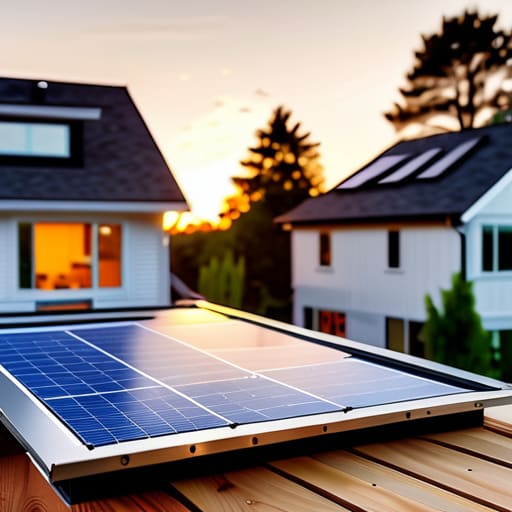
Before you even think about buying hardware, you need to look at your local zoning laws for solar energy. I’ve seen too many people get excited about a quote, only to find out their HOA or local council has strict rules about panel visibility or roof pitch. It’s not about being difficult; it’s about how the installation fits into the neighborhood’s aesthetic. Instead of guessing, I always recommend a quick trip to your local planning office or a deep dive into their online portal. It’s better to spend an hour researching now than to face a fine later for a non-compliant setup.
Once you know you’re allowed to build, you’ll likely hit the structural engineering review stage. This is where you prove your roof can actually handle the extra weight of the arrays. Don’t view this as a hurdle; view it as a safety check to ensure your home stays sound for decades. If you’re working with a professional installer, they should handle the heavy lifting here, but you should still stay in the loop to ensure they aren’t cutting corners just to speed up the timeline.
Mastering the Permit Application Process on a Budget

Look, I know the paperwork part of this feels like a massive hurdle, but you don’t need a law degree to get through the permit application process. The biggest mistake I see people make is trying to DIY the technical filings without reading the fine print first. Before you even touch a screwdriver, grab your local building department’s handbook. Most towns have a specific checklist for electrical permit requirements that can save you hundreds in “correction fees” later on. It’s much cheaper to spend a Saturday morning reading a PDF than it is to pay a contractor to fix a mistake that failed inspection.
I’ve learned that being organized is your best money-saving tool. Create a dedicated digital folder for your site plans, photos, and any necessary documentation for a structural engineering review. If you can present a clean, complete package to the city, you avoid the back-and-forth delays that often lead to extra labor costs. Think of it as an audit: if your data is solid from the start, the approval comes faster, and your path to lower bills stays on track.
5 Ways to Handle the Paperwork Without Losing Your Mind (or Your Savings)
- Don’t fly blind; before you buy a single panel, hit up your local planning office to see if there are any weird restrictions on roof aesthetics or placement.
- Check if your neighborhood has an HOA that plays hardball with solar; it’s much cheaper to negotiate a design now than to pay for a removal later.
- Look for “expedited” permit options if they exist—sometimes a small upfront fee can save you weeks of waiting and keep your project momentum going.
- Keep a digital folder of every single document, from your electrical diagrams to your site plan, because nothing kills a budget like a “missing document” delay.
- Use your local building department’s online portal if they have one; it’s way easier to track your application status and fix errors on the fly than playing phone tag.
The Bottom Line: Making Permits Work for You
Treat the permit process as a way to protect your investment; a properly permitted system isn’t just about following rules, it’s about ensuring your setup is safe and actually delivers the energy savings you’re counting on.
Don’t try to DIY the legalities if you’re unsure—it’s much cheaper to spend a little time researching local codes or asking a pro now than it is to pay massive fines or face a forced teardown later.
Keep every single scrap of paperwork and every approval email in one organized spot; when you eventually go to sell your home, having a clean, documented solar installation is a huge selling point for any savvy buyer.
## The Permit Mindset
“Permits aren’t just bureaucratic hurdles designed to slow you down; they’re the blueprint for making sure your investment actually performs. Don’t view the paperwork as a cost—view it as the insurance policy that ensures your solar setup is safe, legal, and actually cutting your bills instead of creating new headaches.”
Tobias Nkemdirim
Cutting Through the Red Tape
At the end of the day, getting your solar permits sorted is less about mastering bureaucracy and more about protecting your investment. We’ve looked at how to navigate tricky zoning laws without draining your savings and how to tackle the application process without hiring an expensive consultant for every minor detail. It’s a lot of legwork, sure, but once you’ve cleared those hurdles, you’re not just installing hardware; you’re securing your energy independence and ensuring your system is legal, safe, and built to last. Don’t let a stack of forms make you feel like solar is only for people with massive legal teams or endless bank accounts.
I know how frustrating it feels to sit there staring at a permit application, wondering if the headache is worth the payoff. But I’ve seen enough thermal leaks and wasted power to know that the “easy way” usually ends up costing you way more in the long run. Taking these steps now is how we stop the cycle of wasting energy just because it’s convenient. Every permit you file and every regulation you follow is a step toward a smarter, more efficient home. You’re doing the hard work now so you can enjoy the quiet satisfaction of a lower utility bill and a smaller footprint for years to come. Keep pushing.
Frequently Asked Questions
How much should I actually set aside in my budget for permit fees and inspection costs?
Look, I’ve run the numbers on plenty of audits, and there’s no one-size-fits-all answer, but you shouldn’t go in blind. Generally, I tell people to earmark anywhere from $300 to $1,000 for the actual permit and inspection fees. It sounds small compared to the panels, but those “hidden” administrative costs can sting if you aren’t prepared. Check your local municipality’s website first—it’s the only way to avoid a budget blowout.
If I'm renting, do I need to get specific permission from my landlord before applying for these permits?
Look, if you’re renting, this is where things get tricky. You can’t just start drilling holes in a roof you don’t own. Legally, you absolutely need your landlord’s written consent before even touching a permit application. Most standard leases actually prohibit structural changes. My advice? Approach them with a data-driven pitch. Show them how solar could potentially increase their property value or how you’ll handle the installation professionally. Don’t skip this step; you don’t want an eviction on top of an energy bill.
Are there any common mistakes in the application that usually lead to delays or extra fees?
Honestly, the biggest time-killer is submitting incomplete paperwork. I see it all the time: someone forgets a single site plan or a technical spec, and suddenly their application is sitting in a pile for three weeks. Also, don’t skip the pre-application meeting if your city offers one. It’s a small move, but it catches those tiny errors that usually lead to annoying re-submission fees. Precision saves you more than just money; it saves your sanity.
