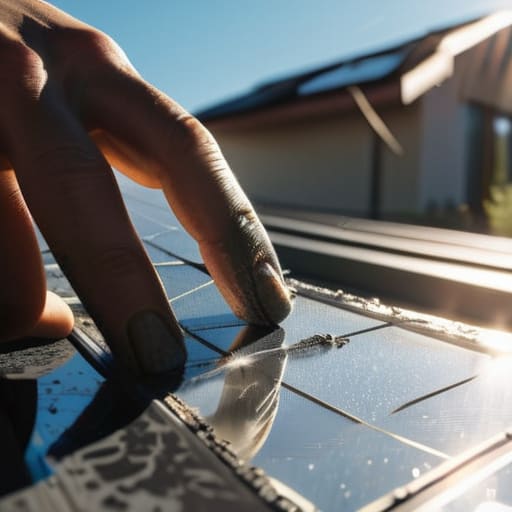
I was standing on a ladder last Tuesday, watching a client try to scrub his array with a stiff-bristled broom and some heavy-duty industrial soap, and I honestly had to step in before he did permanent damage. It’s frustrating because so many people think that “more scrubbing equals more power,” but that’s a total myth. In reality, most people are just making common solar panel cleaning mistakes that end up micro-cracking the cells or leaving a film that actually blocks sunlight. You shouldn’t have to risk your safety or your hardware just to keep your energy production up; you just need to stop treating your expensive tech like a dirty driveway.
I’m not here to sell you some overpriced specialized kit or tell you that you need a professional crew every month. My goal is to give you the straightforward, data-driven truth about how to maintain your system without wasting money or effort. I’ll walk you through exactly what to avoid so you can maximize your ROI and keep those utility bills exactly where they belong: as low as possible.
Table of Contents
- How Improper Care Causes Severe Solar Panel Efficiency Loss
- Dont Let Water Spots on Solar Panels Kill Your Savings
- 5 Mistakes That Are Quietly Sabotaging Your Solar Output
- The Bottom Line: Protect Your Investment
- ## The Real Cost of "Quick Fixes"
- The Bottom Line on Your Solar Investment
- Frequently Asked Questions
How Improper Care Causes Severe Solar Panel Efficiency Loss
When I’m out on an audit, I often see panels that look “fine” from the ground but are actually struggling under the surface. The real issue isn’t just the dust; it’s how improper handling causes physical degradation. If you use a stiff brush or high-pressure washer, you risk creating microcracks in solar modules. These tiny fractures are invisible to the naked eye, but they disrupt the electrical current, leading to a permanent and frustrating solar panel efficiency loss that no amount of cleaning can fix later.
It’s also about the chemistry of what you leave behind. If you use tap water with high mineral content or harsh detergents, you end up with stubborn water spots on solar panels. These spots act like tiny magnifying glasses under the sun, concentrating heat in specific areas. This can lead to localized overheating and even permanent photovoltaic cell damage. I always tell people: if you aren’t careful, you’re essentially trading a small cleaning task for a massive, expensive repair bill.
Dont Let Water Spots on Solar Panels Kill Your Savings
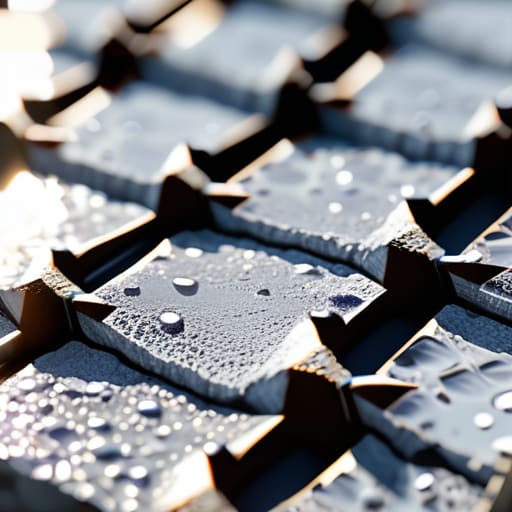
I’ve seen this happen too many times during my audits: someone tries to be “helpful” by spraying their panels with a garden hose, only to leave behind a crust of mineral deposits. When you use hard water or let it air-dry in the sun, you’re essentially creating a permanent layer of water spots on solar panels. These aren’t just aesthetic issues; they act like tiny, localized shields that block sunlight from reaching the silicon underneath. Every spot is a miniature shadow, and those shadows directly contribute to solar panel efficiency loss by forcing the system to work harder for less output.
The real danger, though, is what happens beneath the surface. If those spots are left to bake under intense UV rays, they can create “hot spots” where certain areas of the panel become significantly hotter than others. This thermal stress is a leading cause of microcracks in solar modules, which are nearly impossible to fix once they start. Instead of a quick rinse, focus on cleaning solar panels safely using deionized water or a soft squeegee to ensure a streak-free finish. Don’t let a few cents worth of tap water turn into hundreds of dollars in lost energy production.
5 Mistakes That Are Quietly Sabotaging Your Solar Output
- Stop using high-pressure washers; you’ll end up cracking the glass or blowing out the seals, and those repairs cost way more than a little dust.
- Avoid scrubbing with abrasive sponges or steel wool—you’re just creating micro-scratches that trap more dirt and kill your efficiency long-term.
- Never clean your panels in the middle of a hot, sunny day; the thermal shock from cold water hitting hot glass is a one-way ticket to cracked panels.
- Ditch the harsh chemical cleaners and detergents; they leave a film behind that actually attracts more grime and can degrade the anti-reflective coating.
- Don’t just spray and pray—if you aren’t using a soft squeegee to remove the residue, you’re just leaving a streak-filled mess that blocks sunlight.
The Bottom Line: Protect Your Investment
Stop treating your panels like a car windshield; using the wrong chemicals or high-pressure tools can cause permanent damage that costs way more to fix than a simple cleaning.
Watch out for hard water—if you’re just spraying them with a garden hose and letting it dry, you’re actually creating a layer of mineral spots that block sunlight and tank your efficiency.
Consistency is everything, so don’t wait until your energy production hits rock bottom before you check them; a quick, proper clean is much cheaper than replacing a dead module.
## The Real Cost of "Quick Fixes"
“I’ve seen too many people try to save five minutes by spraying their panels with a garden hose, only to end up spending hundreds fixing the mineral buildup or micro-cracks they just created. In the energy game, a cheap shortcut is usually just an expensive mistake in disguise.”
Tobias Nkemdirim
The Bottom Line on Your Solar Investment
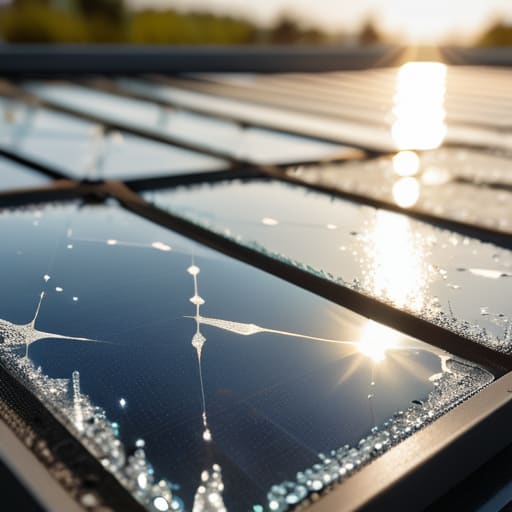
At the end of the day, maintaining your solar setup isn’t about being a perfectionist; it’s about preventing unnecessary waste. We’ve looked at how using the wrong chemicals or abrasive tools can cause permanent damage, and how those stubborn water spots can quietly throttle your energy production. I’ve seen too many people invest thousands into renewable tech only to let their ROI slip away because of preventable maintenance errors. If you treat your panels with the right level of care—using soft tools, clean water, and a bit of regular attention—you aren’t just cleaning glass; you are protecting your long-term savings and ensuring every ray of sunlight actually works for your wallet.
I know that keeping up with home maintenance can feel like just another chore on an endless list, but I promise you it’s worth it. Transitioning to solar is a massive step toward independence, and you shouldn’t let a few avoidable mistakes undermine that progress. Remember, sustainability doesn’t have to be expensive or complicated; it’s often found in the small, disciplined habits we adopt. Keep your panels clear, keep your data in check, and stop letting your hard-earned energy leak away through neglect. You’ve already made the smart move by going solar—now just make sure it stays smart.
Frequently Asked Questions
Is it actually worth the time and effort to clean them myself, or should I just pay a professional to handle it?
Look, if you’ve got a single-story home and a decent ladder, you can absolutely handle this yourself. It’s a straightforward job that saves you a chunk of cash. But if you’re dealing with a steep, multi-story roof or a massive array, don’t risk a fall or expensive panel damage just to save a few bucks. In those cases, pay a pro. Your safety and the integrity of your tech are worth more than the service fee.
How often do I really need to be checking my panels for dirt before my energy output starts taking a hit?
Look, there isn’t a magic number, but I usually tell my clients to do a visual check once a month. If you live somewhere dusty or near a busy road, that frequency needs to go up. I always carry my thermometer for a reason—if I see a temperature discrepancy across the cells, it’s time to clean. Don’t wait for a massive drop in your bill to notice; by then, you’ve already lost money.
Can I just use my garden hose and some dish soap, or am I going to end up damaging the glass or the seals?
Look, I get the temptation to just grab the garden hose and some Dawn, but please don’t. Using dish soap is a rookie mistake—it leaves a microscopic film that actually attracts more dust, creating a cycle of grime. And that hose? If you use high pressure, you risk cracking the glass or, worse, compromising the seals that keep moisture out. Stick to soft water and a squeegee. It’s more work, but it protects your investment.
