
I still remember sitting in my old rental apartment, wrapped in three layers of wool, watching my breath mist in the living room while the heater hummed uselessly against the draft. I’d check the radiator, but the heat was just vanishing into the cracks of the window frames and the thin, uninsulated walls. People love to sell you on the idea that sustainable building envelopes require a massive, high-tech overhaul or a developer’s budget, but that’s mostly marketing nonsense. The truth is, your home is essentially a bucket; if it has holes in it, it doesn’t matter how much “energy” you pour in, you’re just throwing money away.
I’m not here to pitch you on expensive, futuristic gadgets that won’t actually move the needle on your utility bills. Instead, I want to show you how to look at your home’s shell through a practical lens. I’ll be sharing the exact, data-driven methods I use during my audits to identify where your thermal efficiency is failing. My goal is to give you a no-nonsense roadmap for tightening up your space, focusing on smart, low-cost tweaks that keep the warmth in and the costs down.
Table of Contents
Achieving Airtightness Without Breaking the Bank
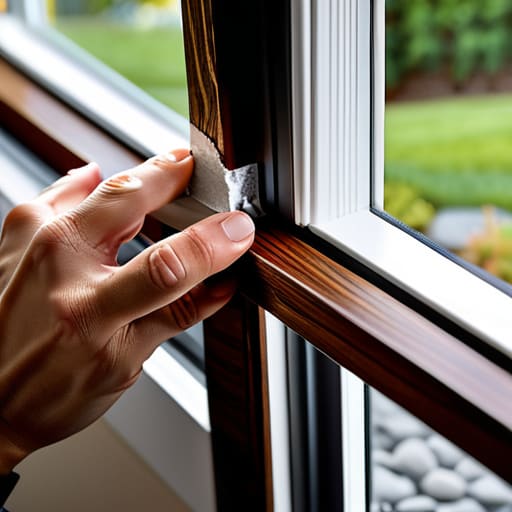
When I was auditing my first rental, I realized people think airtightness requires a massive construction budget or high-end tech. That’s a myth. You don’t need to aim for strict passive house envelope standards overnight to see a difference in your monthly bill. Realistically, most of your heat loss is happening through tiny, overlooked gaps. I always start with the basics: weatherstripping around drafty window frames and using high-quality caulk to seal the junctions where your walls meet the floor. It’s cheap, it’s tactile, and it’s incredibly effective at improving your building envelope airtightness without a contractor in sight.
Another area where you can save is through thermal bridging mitigation. This sounds technical, but it’s basically just making sure heat doesn’t travel through the “shortcuts” in your home’s structure, like studs or metal fasteners. You can tackle this by adding simple layers of rigid foam insulation behind your existing surfaces. It’s a small, strategic move that prevents your home from acting like a radiator that’s constantly leaking warmth into the night air.
The Real Cost of Ignoring Thermal Bridging Mitigation
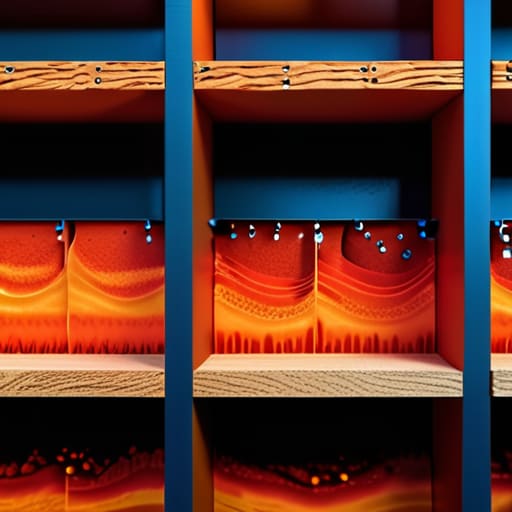
When I’m out on an audit, I often see the same mistake: a homeowner invests in fancy new windows but ignores the structural gaps where heat escapes through the studs or floor joists. This is thermal bridging, and it’s essentially a highway for your money to travel from your heater straight to the outdoors. Even if you have decent insulation, these “bridges” create cold spots that act like tiny vacuum cleaners, sucking the warmth out of your living space. If you aren’t prioritizing thermal bridging mitigation, you’re basically trying to fill a bucket with holes in it.
The financial impact is more than just a slightly higher monthly bill; it’s a systemic failure of your home’s ability to regulate temperature. Over time, these temperature differentials can even lead to condensation and mold issues inside your walls. While some people think they need to jump straight to expensive passive house envelope standards to solve this, that’s not always the case. It’s about identifying where the continuity of your insulation breaks. Ignoring these small gaps might seem like a way to save money upfront, but you’ll end up paying for it through constant, inefficient heating for years.
5 Low-Cost Ways to Tighten Up Your Home’s Shell
- Seal the gaps around windows and doors with weatherstripping; it’s a cheap fix that stops drafts from turning your living room into a wind tunnel.
- Use heavy, thermal-lined curtains to create an extra layer of insulation over your glass, which helps trap heat when the sun goes down.
- Check your attic insulation levels; if you can see the floor joists, you’re likely losing a massive amount of heat straight through your roof.
- Apply caulk to any visible cracks where walls meet the floor or ceiling to eliminate those tiny, invisible air leaks that drive up your heating bill.
- Don’t forget your outlets—installing inexpensive foam gaskets behind electrical faceplates can stop cold air from seeping in through the wall cavities.
The Bottom Line on Your Home’s Envelope
Stop treating heat leaks as an inevitability; even small, low-cost fixes to your airtightness can prevent a massive amount of wasted energy and money.
Addressing thermal bridges isn’t just a technical detail—it’s a necessary step to stop cold spots from driving your heating bills through the roof.
You don’t need a massive renovation budget to see results; focus on the high-impact, practical upgrades that actually keep the warmth inside your walls.
## The Reality of the Shell
“A house isn’t just a place to live; it’s a thermal system. If your building envelope is leaking heat like a sieve, you’re essentially paying your utility company to heat the neighborhood instead of your living room.”
Tobias Nkemdirim
The Bottom Line
At the end of the day, upgrading your building envelope isn’t about chasing some unattainable architectural perfection or spending your entire savings on high-end materials. It’s about the fundamentals: sealing those air leaks that drive up your heating bills and addressing the thermal bridges that turn your walls into radiators for the outdoors. Whether you’re tackling airtightness with simple weatherstripping or rethinking your insulation strategy, every small fix contributes to a much larger goal. When you stop letting energy escape through the cracks, you aren’t just optimizing your home’s performance; you are actively protecting your wallet and reducing unnecessary waste.
I know it can feel overwhelming to look at an old, drafty house and wonder where to even start. But remember, sustainability shouldn’t be a luxury reserved for the wealthy. It’s a series of smart, intentional choices that add up over time. You don’t need to tear your house down to the studs to make a difference. Start with what you can afford, use the data to guide your next move, and keep looking for those leaks. By taking control of your home’s envelope, you’re building a future that is both more affordable and much kinder to the planet.
Frequently Asked Questions
If I make my home more airtight, how do I make sure I'm not trapping moisture and causing mold issues?
This is the biggest fear people have when I talk about airtightness, and honestly, it’s a valid one. If you seal everything up without a plan, you’re basically creating a petri dish for mold. The fix isn’t to let the drafts back in; it’s about controlled ventilation. You need a way to swap stale, moist air for fresh air—whether that’s through trickle vents, a simple mechanical fan, or a heat recovery system. Keep the air moving, and you’ll keep the moisture out.
Are there specific materials I should look for that are actually eco-friendly, or is most "green" insulation just marketing?
Honestly? A lot of it is greenwashing. Don’t just buy anything because it has a leaf on the packaging. I always look for low embodied energy—meaning the material didn’t require a massive carbon footprint just to manufacture. Look for sheep’s wool, hemp, or cellulose (recycled paper). They’re great because they breathe well and actually perform. If a product claims to be “eco-friendly” but is wrapped in three layers of non-recyclable plastic, I’m passing.
I live in a rental—what are some low-cost ways to improve my building envelope without actually renovating the structure?
Since you can’t tear down walls, you have to focus on the “quick wins.” Grab some weatherstripping for door gaps and window frames—it’s cheap and stops drafts instantly. I always suggest heavy, thermal-lined curtains; they act like a secondary layer of insulation when closed. If you spot a drafty outlet or baseboard, some simple caulk or even foam gaskets can plug those leaks. It’s about sealing the gaps you can reach.
