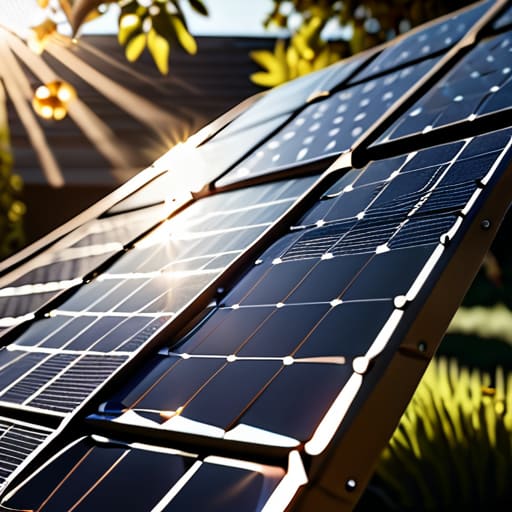
I was standing on a client’s roof last Tuesday, clicking my infrared thermometer against a mounting bracket, when I saw it: a single, leafy branch from an overgrown oak tree casting a tiny shadow across a massive array. Most installers will try to sell you a complex, thousand-dollar microinverter setup to “fix” the problem, but honestly, that’s just expensive noise. People think they need a massive engineering overhaul to deal with solar panel shading, when in reality, they’re often just throwing money at a problem that a pair of garden shears could have solved in ten minutes.
I’m not here to sell you high-tech gadgets or complicated jargon that makes your head spin. My goal is to give you the straight truth about how much your trees and chimneys are actually costing you. I’ll show you how to identify the real culprits behind your dropping energy yields and how to manage solar panel shading using practical, low-cost solutions. We’re going to focus on keeping your output high and your utility bills low, without needing a degree in electrical engineering to do it.
Table of Contents
- Why Partial Shading Effects on Solar Arrays Kill Your Savings
- The Truth About Photovoltaic Cell Efficiency Loss You Cant Ignore
- 5 Ways to Stop Shade from Tanking Your ROI
- The Bottom Line: Don't Let Shade Steal Your ROI
- The Hidden Cost of a Shadow
- Bottom Line: Stop the Leak
- Frequently Asked Questions
Why Partial Shading Effects on Solar Arrays Kill Your Savings
Think of your solar array like a team of runners in a relay race. If one person trips or slows down, the entire team’s pace drops. This is the reality of partial shading effects on solar arrays. When a single leaf or a chimney shadow creeps over a panel, it doesn’t just affect that one spot; it can create a bottleneck for the entire circuit. Because the cells are often wired in series, the shaded cell acts like a kink in a garden hose, restricting the flow of electricity for the whole string.
This leads to a massive drop in photovoltaic cell efficiency loss that most people don’t realize is happening until they see their monthly utility bill. To prevent a total system shutdown, most modern panels use a bypass diode function to reroute current around the shaded area. While this saves the panel from overheating, it essentially turns off a portion of your investment to keep the rest running. You’re essentially paying for hardware that sits idle for half the day just because a tree branch is in the way.
The Truth About Photovoltaic Cell Efficiency Loss You Cant Ignore
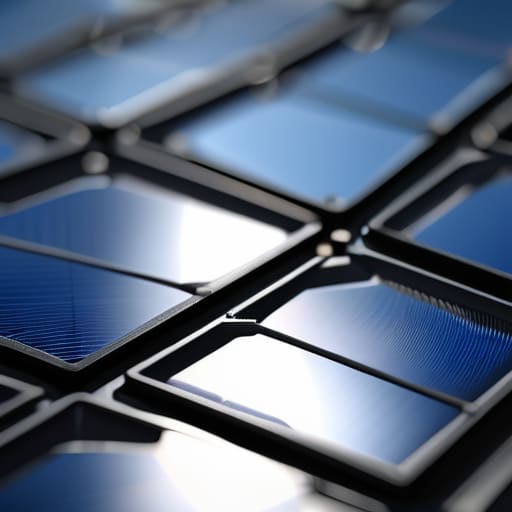
Here’s the reality that most sales brochures gloss over: your solar panels aren’t just a single unit; they are a complex web of interconnected parts. When a branch or a chimney casts a shadow over even a small portion of a panel, it doesn’t just “dim” the output. It creates a bottleneck. Because cells are typically wired in series, a single shaded cell can act like a kink in a garden hose, restricting the flow of electricity for the entire string. This is the core of photovoltaic cell efficiency loss, and it’s much more aggressive than most people realize.
To combat this, modern systems rely heavily on the bypass diode function in solar panels. These diodes are designed to “route around” the shaded section to prevent the whole panel from going dark, but it’s a compromise, not a cure. You’re essentially sacrificing a chunk of your hardware just to keep the rest of the system breathing. If you’re seeing a massive drop in your daily production, don’t just assume it’s a cloudy day; you likely have a localized obstruction that is forcing your hardware to work way harder than it was designed to.
5 Ways to Stop Shade from Tanking Your ROI
- Map your shadows before you buy. Use an app or just grab a notebook and track where the shadows fall at 10 AM, 1 PM, and 4 PM throughout the seasons. If a tree looks fine now, remember it’ll look a lot different when it’s full and lush in July.
- Invest in microinverters or power optimizers. If you’re stuck with a bit of shade, don’t let one blocked panel drag down the entire string. These tools allow each panel to act independently, so a shadow on one doesn’t turn your whole system into a paperweight.
- Trim the “money trees” in your yard. It sounds counterintuitive, but if a branch is casting a creeping shadow over your array, it’s literally stealing cash from your pocket. Keep your greenery pruned back to maintain a clear line of sight to the sun.
- Optimize your panel layout. When you’re planning the install, don’t just go for the biggest roof space; go for the cleanest space. It’s better to have fewer panels in full sun than a massive array constantly fighting intermittent shadows.
- Check your mounting height. If you’re installing on a ground mount or a low-sloped roof, sometimes just a few extra inches of elevation can clear a nearby fence or shrub that was causing a massive efficiency drop.
The Bottom Line: Don't Let Shade Steal Your ROI
Even a tiny bit of shade from a chimney or a tree branch can tank your entire array’s output, so don’t assume “mostly sunny” means you’re actually saving money.
Stop treating shading as a minor nuisance; it’s a direct drain on your wallet that turns expensive tech into underperforming hardware.
Before you install anything, do the legwork—track the sun’s path and clear the obstructions now, or you’ll be paying for energy you never actually captured.
The Hidden Cost of a Shadow
“I’ve seen it a dozen times with my infrared thermometer: a single tree branch or a chimney shadow might look harmless, but it’s essentially a leak in your bank account. You aren’t just losing a bit of sunlight; you’re sabotaging the entire system’s ability to pay for itself.”
Tobias Nkemdirim
Bottom Line: Stop the Leak
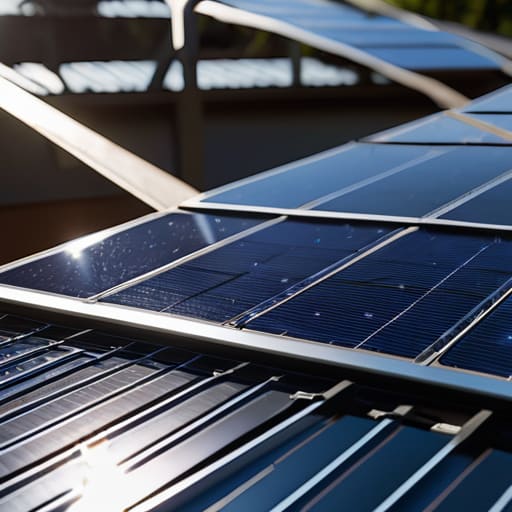
At the end of the day, shading isn’t just a minor nuisance; it’s a silent thief stealing the ROI you were promised when you installed your system. We’ve looked at how even a tiny sliver of shadow can trigger a disproportionate drop in output and how those individual cell inefficiencies stack up to wreck your monthly savings. Whether it’s a growing tree limb or a new chimney, you can’t afford to let these obstacles sit there. Identifying these hotspots early and implementing solutions like microinverters or simple pruning is the only way to ensure your array actually performs like it’s supposed to. Don’t let preventable shade turn your green investment into a financial drain.
I know that making changes to your home setup can feel overwhelming or expensive, but remember that sustainability shouldn’t be a luxury reserved for the wealthy. It’s about being observant and taking control of the small details that most people ignore. You don’t need a massive budget to fix this; sometimes, it just takes a bit of maintenance and a smarter approach to your layout. My goal is to see you get every single kilowatt you paid for. Take ownership of your energy production and stop letting shade dictate your utility bills. You’ve already made the move toward solar—now make sure it actually works for you.
Frequently Asked Questions
Can I just trim a few branches off a tree, or is the shade from a nearby building a permanent problem I can't fix?
It depends on what’s casting the shadow. If it’s a tree, yeah, a quick trim or strategic pruning can make a massive difference in your output. I’ve seen cases where just thinning out a canopy restores almost all lost efficiency. But if it’s a neighboring building? That’s a different beast. You can’t move a skyscraper. In those cases, you’re looking at repositioning your array or accepting a permanent hit to your ROI.
Are there specific types of solar panels or hardware, like microinverters, that handle shade better than standard setups?
If you’re dealing with unavoidable shade, don’t settle for a standard string inverter setup—it’s a money pit. In a traditional system, one shaded panel can drag down the performance of the entire array. Instead, look into microinverters or DC optimizers. These allow each panel to operate independently. If a tree branch casts a shadow on one module, the others keep pumping out max power. It’s a slightly higher upfront cost, but it’s much smarter long-term.
How much actual power am I losing if a small part of my array is shaded for just a couple of hours a day?
It’s a common misconception that shading only affects the cells directly underneath the obstacle. In reality, because most panels are wired in series, a single shaded cell can act like a kink in a garden hose, choking the current for the entire string. If a small branch shadows a corner for two hours, you aren’t just losing a tiny fraction of power; you could be seeing a massive, disproportionate drop in your total output.
