I remember sitting in my old rental apartment, shivering under three blankets while staring at a utility bill that felt like a personal insult. I wanted to go solar, but every time I searched for information, I was met with a wall of high-end jargon and sales pitches designed to drain your bank account. Most people think you need a massive, specialized setup to make a difference, but the truth is that the industry loves to overcomplicate solar panel types just to justify a higher price tag. You don’t need a luxury tech suite on your roof; you just need a system that actually works for your specific space and budget.
I’m not here to sell you on the most expensive hardware on the market. Instead, I’m going to break down the different solar panel types based on what they actually do for your energy independence and your wallet. We’ll skip the fluff and look at the data so you can decide which option stops you from throwing money away on inefficient tech. My goal is simple: helping you pick a setup that keeps your bills low and your carbon footprint even lower.
Table of Contents
- Smart Solar Panel Cost Comparison for Every Homeowner
- Best Solar Panels for Residential Use Without the Luxury Price Tag
- 5 Ways to Pick the Right Tech Without Getting Ripped Off
- The Bottom Line: What You Actually Need to Know
- ## Stop chasing the hype, start chasing the math
- Making the Right Call for Your Home
- Frequently Asked Questions
Smart Solar Panel Cost Comparison for Every Homeowner
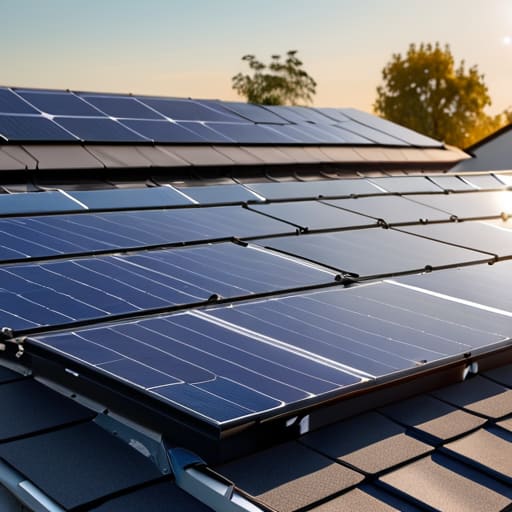
When I’m auditing a home, I don’t just look at the roof; I look at the bank statement. Most people get paralyzed by the upfront price tag, but a proper solar panel cost comparison isn’t just about finding the cheapest hardware—it’s about finding the best return on your investment. If you buy the absolute cheapest panels on the market, you might find their photovoltaic cell efficiency is so low that you’ll need twice as many of them to actually power your fridge and lights, which ends up costing you more in the long run.
For most of my clients, I recommend looking at the sweet spot between monocrystalline and polycrystalline options. Monocrystalline panels are the gold standard for residential use because they handle limited space well, but they come with a premium. If you have a massive roof and a tight budget, polycrystalline might be your way to jumpstart your transition to renewable energy solutions without a massive hit to your savings. My advice? Don’t just chase the lowest sticker price; chase the lowest cost per kilowatt-hour over the next ten years.
Best Solar Panels for Residential Use Without the Luxury Price Tag
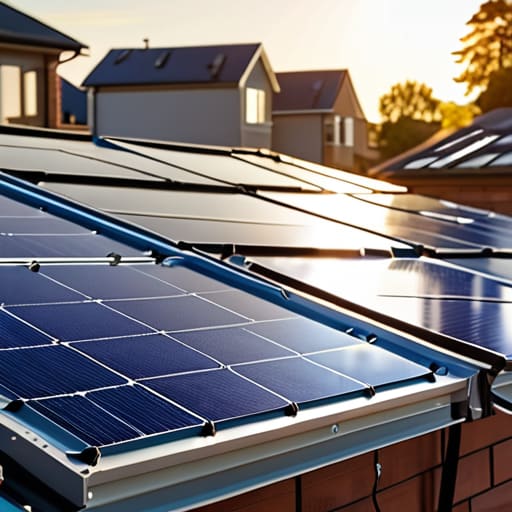
If you’re looking for the best solar panels for residential use without needing a massive upfront investment, you should probably stop looking at the high-end, premium brands that market themselves through luxury lifestyle ads. Most of those “top-tier” options offer a marginal increase in photovoltaic cell efficiency that takes a decade to actually pay for itself. For a standard home, polycrystalline panels are often the sweet spot. They aren’t quite as sleek as monocrystalline, but they are significantly more affordable and still provide a solid return on investment for anyone trying to stabilize their monthly utility costs.
I always tell my clients that you have to balance performance with your actual budget. While high-end monocrystalline panels boast impressive solar energy conversion rates, they often come with a price tag that makes the “payback period” feel endless. If you’re working with a tighter budget, opting for mid-range polycrystalline modules allows you to scale your system larger for the same price. It’s better to have a larger array of efficient panels than a tiny, expensive one that barely makes a dent in your power bill.
5 Ways to Pick the Right Tech Without Getting Ripped Off
- Don’t get blinded by efficiency percentages; if you have a massive roof with plenty of sun, buying the most expensive, high-efficiency monocrystalline panels might actually be a waste of cash compared to more affordable options.
- Check your local shade situation before you buy—if you’ve got trees constantly blocking the sun, you’ll need panels that handle low-light conditions well, or you’re just buying expensive glass that won’t do anything.
- Look past the sticker price and calculate the “cost per watt”—it’s the only way to see if a slightly more expensive panel is actually going to save you more money over the next ten years.
- Keep an eye on the degradation rate; some cheaper panels lose their ability to generate power way too fast, which means you’ll be paying for a full replacement much sooner than you planned.
- Match the panel type to your actual energy needs, not your neighbor’s—if you’re just trying to offset your heating and basic lights, you don’t need a top-tier commercial setup that costs a fortune.
The Bottom Line: What You Actually Need to Know
Don’t get blinded by high-end efficiency ratings; for most of us, finding the sweet spot between decent performance and a realistic upfront cost is what actually makes solar viable.
Match your panel type to your specific roof setup—wasting money on premium monocrystalline panels when you have massive, unobstructed roof space is just bad math.
View solar as a long-term tool to kill your utility bills, not just a way to feel good about the planet; if the math doesn’t work for your monthly budget, it’s not the right setup for you.
## Stop chasing the hype, start chasing the math
“I’ve spent too many hours pointing my infrared thermometer at drafty windows to let people believe you need a million-dollar setup to go green. When it comes to solar, don’t get blinded by the flashy high-end tech; you just need to find the specific panel type that actually matches your roof’s footprint and your monthly budget so you can stop subsidizing the grid.”
Tobias Nkemdirim
Making the Right Call for Your Home
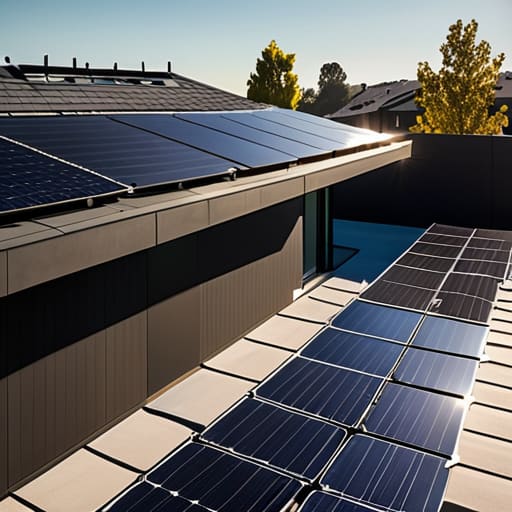
At the end of the day, choosing between monocrystalline, polycrystalline, or thin-film isn’t about finding the most expensive tech on the market; it’s about finding the specific fit for your roof and your wallet. I’ve seen too many people get caught up in the hype of high-end luxury panels when a more practical, mid-range option would have achieved the same reduction in their monthly utility bills. Whether you prioritize the high efficiency of mono-panels or the cost-effectiveness of poly, the goal remains the same: stop letting your hard-earned money leak out of your house through inefficient energy habits. Just remember to audit your space and your budget before you sign anything.
Transitioning to solar can feel overwhelming, like you need a massive inheritance just to make a dent in your carbon footprint. But that’s a misconception I’m determined to bust. You don’t need a perfect, futuristic setup to start making an impact; you just need to start. Every kilowatt you generate yourself is a step toward energy independence and a smaller environmental footprint. Don’t wait for the “perfect” moment or the “perfect” technology to arrive. Grab your data, pick the panels that make sense for your reality, and start reclaiming your power today.
Frequently Asked Questions
Do I actually need the most expensive high-efficiency panels, or can I get away with cheaper ones if I have enough roof space?
Honestly? If you’ve got plenty of roof real estate, you don’t need to chase those ultra-premium, high-efficiency panels. I see people overspending on top-tier tech thinking it’s the only way, but if your roof is large enough, you can hit your energy goals using more affordable, standard panels. Just spread them out. It’s about total system output, not just the specs on a single cell. Don’t pay a luxury premium for efficiency you don’t actually need.
How much of a difference does panel type actually make in terms of my monthly electricity bill?
It’s not just about the upfront cost; it’s about your ROI. If you go with cheap, low-efficiency polycrystalline panels, you’ll need a much larger roof footprint to generate the same power as high-efficiency monocrystalline ones. That means more hardware and more installation costs. I always tell my clients: look at the yield per square foot. The right panel type can be the difference between shaving $40 off your bill or actually hitting that net-zero target.
If I'm renting or on a tight budget, are there any solar options that don't require a massive upfront investment?
Look, I get it. Most solar talk assumes you own a house and have a huge savings account, but that’s not everyone’s reality. If you’re renting, look into portable solar generators—they’re basically “plug-and-play” power stations that you can take with you when you move. If you’re a homeowner on a budget, focus on small-scale DIY kits or even just balcony panels. You don’t need a full roof installation to start cutting costs.
