I still remember sitting in my old rental apartment, wrapped in three layers of wool, watching the radiator hiss while my bank account slowly bled out. It wasn’t just the cold; it was the sheer, frustrating helplessness of seeing a massive utility statement and having no idea where the money was actually going. Most people think effective energy bill management requires a massive solar array or a complete home renovation, but that’s a total myth. You don’t need a massive budget to stop the leak; you just need to stop throwing money at the wind because your windows are poorly sealed.
I’m not here to sell you on expensive, high-tech gadgets that promise the world but deliver nothing. My goal is to give you a practical, data-driven roadmap for managing your costs without sacrificing your comfort. I’ll be sharing the exact, low-cost shifts I use in my audits—the kind of small, smart changes that actually move the needle on your monthly statement. We’re going to cut through the fluff and focus on real ways to shrink your footprint and your bills, because sustainability shouldn’t be a luxury item.
Table of Contents
Small Shifts for Reducing Monthly Utility Costs
Most people think they need to install solar panels or replace every window in the house to see a difference, but that’s just not realistic for most of us. I usually start my audits by looking at the low-hanging fruit. One of my favorite energy efficiency strategies is simply tackling “vampire loads”—those little LED lights on your TV, microwave, or charger that pull power even when you aren’t using them. It sounds minor, but if you’re using smart power strips to cut them off entirely, you’ll notice a shift in your usage patterns almost immediately.
Another thing I’ve learned is that you can’t fix what you don’t measure. If you aren’t already using smart meter energy monitoring, you’re essentially flying blind. I always suggest getting a basic app or a plug-in monitor to see exactly which appliance is the culprit behind those spikes. Once you start optimizing home electricity usage through actual data rather than guesswork, you stop guessing why your bill is high and start actually fixing the problem. It’s about being intentional with every watt.
Smart Meter Energy Monitoring for Real Impact
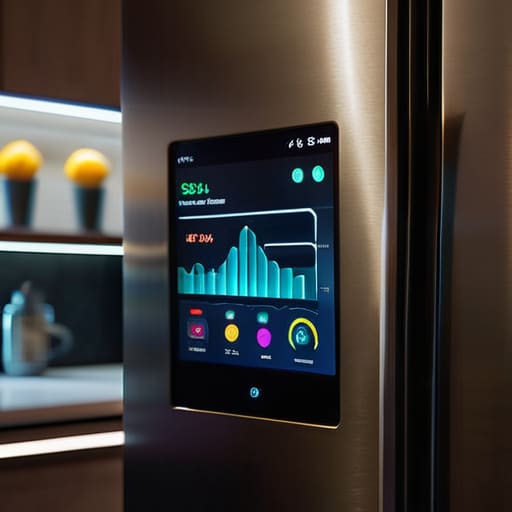
If you’re still relying on a paper bill that arrives once a month to tell you how much you spent, you’re essentially driving a car while only looking at the rearview mirror. By the time you see that spike in cost, the energy is already gone. This is where smart meter energy monitoring changes the game. Instead of guessing which appliance is the culprit, I use my data to see real-time spikes. It’s the difference between wondering why your bill is high and actually knowing that your old fridge is cycling too often or your water heater is working overtime.
I’ve found that consistent household energy consumption tracking is the fastest way to spot patterns. When I audit a home, I don’t just look at the total; I look at the “baseload”—that constant, low-level drain that happens while you’re sleeping. If that number is higher than it should be, you’ve got phantom loads sucking your wallet dry. Once you see the data visualized, you stop treating energy like an abstract concept and start treating it like a finite resource that needs to be managed.
Low-Tech Fixes for High-Impact Savings
- Seal the gaps around your windows and doors with simple weatherstripping. I’ve used my infrared thermometer on dozens of old rentals, and it’s almost always the tiny air leaks around door frames that are sucking the warmth right out of the room.
- Stop heating empty rooms. If you have a guest room or a space you rarely use, close the door and shut the vent. There’s no point in burning money to keep a corner of the house comfortable when nobody is actually sitting there.
- Switch to LED bulbs, but do it strategically. Don’t just swap them all at once if you’re on a tight budget; start with the lights that stay on the longest, like your living room or kitchen setup, to see the fastest drop in your usage.
- Manage your “vampire loads” by using power strips for your electronics. Even when they’re off, things like game consoles and coffee makers pull a steady trickle of power. Flipping a single switch on a power strip at night is a zero-cost way to stop that bleed.
- Adjust your thermostat by just one or two degrees. It sounds minor, but that small shift can significantly change your monthly consumption without making your home feel uncomfortably cold or hot. It’s about finding that sweet spot between comfort and cost.
The Bottom Line
Efficiency isn’t about expensive solar arrays; it’s about plugging the small, invisible leaks in your daily routine and your home’s structure.
Use your data—whether it’s from a smart meter or a simple thermal check—to stop guessing where your money is going and start seeing the actual patterns.
Prioritize low-cost, high-impact changes first to ensure sustainability stays affordable, not a luxury you can’t justify.
## The Hidden Cost of Convenience
“Most people think high energy bills are just a fixed cost of living, but after years of auditing homes, I’ve realized they’re usually just the price we pay for being unaware of where our heat is escaping. You don’t need a massive renovation to fix it; you just need to stop letting your money leak through the cracks.”
Tobias Nkemdirim
Cutting the Waste for Good
At the end of the day, managing your energy bills isn’t about making massive, expensive renovations overnight. It’s about the cumulative effect of the small stuff: sealing those sneaky drafts, keeping a close eye on your smart meter data, and actually understanding where your money is leaking out of your house. We’ve looked at how shifting your daily habits and monitoring your real-time usage can stop the bleeding. When you stop treating energy as an infinite resource and start treating it as a measurable expense, you regain control over your monthly budget and your environmental impact.
I know it can feel overwhelming, especially when the utility companies keep hiking rates, but don’t let that paralyze you. You don’t need a massive solar array or a high-tech smart home to make a difference; you just need to be intentional. Every kilowatt-hour you save is money back in your pocket and less strain on the grid. Let’s stop accepting high bills as an inevitable part of modern life and start building homes that are actually built to last—both financially and environmentally. You’ve got this.
Frequently Asked Questions
I’ve checked my insulation, but why does my heating bill still spike even when I’m not home much?
If your insulation is solid but your bills are still climbing, you’re likely losing heat through “invisible” leaks. I’ve seen this a dozen times. Check your window seals and door gaps—even a tiny draft can dump heat like a sieve. Also, look at your thermostat settings. If you’re leaving the heat on a high “set” temperature while you’re out, you’re basically paying to heat an empty house. Aim for a lower setback instead.
Are there specific smart devices that actually pay for themselves, or is most of this just expensive tech for the sake of it?
Look, I get the skepticism. Most “smart” gadgets are just expensive ways to check your phone more often. But if you want a return on investment, stick to the basics. A smart thermostat is the heavy hitter—it actually learns your patterns and cuts heating/cooling waste. Smart plugs are decent for killing phantom loads on old tech, too. If a device doesn’t give you actionable data to change your behavior, it’s just a shiny paperweight.
How do I tell the difference between a faulty appliance and just poor energy habits?
If you suspect a spike in your bill, start with a simple diagnostic. I always grab my infrared thermometer first—if an appliance feels abnormally hot to the touch or makes a weird humming sound, it’s likely a hardware fault, not your habits. If it runs quiet but your meter is spinning like crazy, look at your usage. Are you running the dryer on high heat every day or leaving the space heater on overnight? Check the hardware before blaming your lifestyle.
