
I remember sitting in my old rental apartment, staring at a mountain of crusty plates and a utility bill that felt like a personal attack. I used to think that the only way to be “green” was to invest in a high-end, smart-connected dishwasher that cost more than my monthly rent. But honestly? That’s just marketing fluff. Most people think energy efficient dishwashing requires a massive lifestyle overhaul or a brand-new appliance, when the reality is far more practical. You don’t need a tech-heavy kitchen to stop bleeding money through your water heater; you just need to stop letting convenience dictate your consumption.
I’m not here to sell you on expensive gadgets or complicated eco-myths. My goal is to give you the straightforward, data-driven tactics I use during my own home audits to cut down on waste. We’re going to look at how you can optimize your current routine—from load timing to temperature settings—to ensure you aren’t throwing cash down the drain. This is about small, smart changes that keep your bills low and your footprint even smaller, without making your life unnecessarily difficult.
Table of Contents
- Why Energy Star Rated Dishwashers Are Your Best Financial Ally
- Mastering the Optimal Dishwasher Load Size to Stop Wasting Resources
- 5 Quick Wins to Slash Your Dishwasher's Energy Draw
- The Bottom Line on Efficient Dishwashing
- The Hidden Cost of a Half-Empty Cycle
- Small Shifts, Big Savings
- Frequently Asked Questions
Why Energy Star Rated Dishwashers Are Your Best Financial Ally
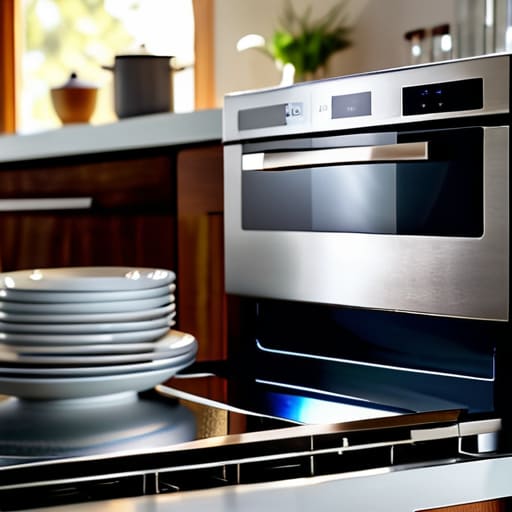
When I’m auditing a home, I don’t just look at the insulation in the walls; I look at the appliances pulling power in the kitchen. If you’re still running an old, clunky machine from the early 2000s, you’re essentially burning money every time you hit “start.” Investing in energy star rated dishwashers is one of those rare moves where the upfront cost actually pays for itself through lower monthly bills. These machines are engineered to maximize thermal efficiency, meaning they use significantly less power to heat the water required for a clean cycle.
It isn’t just about the electricity, though. Modern, high-efficiency units are much better at reducing household water consumption compared to older models that just blast water indiscriminately. A lot of people think they’re saving money by hand-washing, but that’s a myth—you almost always use more water that way. By choosing a certified efficient model, you’re making a data-backed decision to stop leaking cash through your utility meter while keeping your kitchen running as lean as possible.
Mastering the Optimal Dishwasher Load Size to Stop Wasting Resources
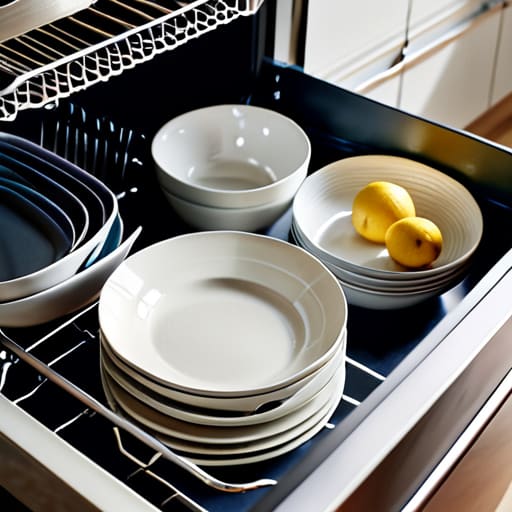
I’ve lost count of how many times I’ve walked into a kitchen and seen a dishwasher running with only three plates and a single mug inside. It’s frustrating because it’s such a blatant waste. When you run a half-empty machine, you’re essentially paying to heat and move water for nothing. To truly master reducing household water consumption, you have to treat your dishwasher like a puzzle. Wait until you have a full load, but be careful not to overstuff it to the point where the spray arms can’t rotate. If the water can’t reach every corner, you’ll end up rinsing dishes by hand afterward, which completely defeats the purpose of using eco-friendly kitchen appliances in the first place.
Efficiency is also about how you arrange the items. I always check that nothing is blocking the sensors or the spray nozzles. A well-organized, full load ensures that every drop of water and every watt of electricity is actually doing work. It’s a simple habit, but it’s one of the most effective ways of saving electricity in the kitchen without needing to buy a single new gadget.
5 Quick Wins to Slash Your Dishwasher's Energy Draw
- Skip the pre-rinse. I see so many people standing at the sink scrubbing plates before they even hit the machine; it’s a massive waste of water and energy. Just scrape the solid food into the bin and let the machine do its job.
- Ditch the “Heat Dry” setting. Most modern dishwashers have a heated drying cycle that pulls a ton of power. Instead, just crack the door open slightly when the cycle finishes; the residual heat will do the work for free.
- Use the Eco Mode every single time. It might take a bit longer to finish the cycle, but it uses lower water temperatures and more efficient mechanical action to get the job done without the energy spike.
- Check your water temperature. If you can, adjust your home’s water heater to a slightly lower setting. If the water entering the dishwasher is already efficient, the machine doesn’t have to work nearly as hard to reach its target temp.
- Clean your filter regularly. A clogged filter makes the pump work harder and can lead to less efficient cleaning, meaning you might end up running a second cycle just to get things actually clean.
The Bottom Line on Efficient Dishwashing
Stop running half-empty cycles; wait until you have a full load to make every drop of water and watt of electricity count.
Ditch the “heated dry” setting and let your dishes air-dry naturally to shave significant energy off your monthly utility bill.
Invest in an Energy Star model if you can, but if you’re stuck with an old machine, using eco-modes is your best way to minimize waste.
The Hidden Cost of a Half-Empty Cycle
“Every time you run a dishwasher half-full just because it’s convenient, you’re essentially throwing money straight down the drain. Efficiency isn’t about buying the most expensive appliance on the market; it’s about actually using the one you have the right way.”
Tobias Nkemdirim
Small Shifts, Big Savings
At the end of the day, making your kitchen more efficient isn’t about buying a brand-new, high-tech appliance every time a new model drops. It’s about the data-driven decisions we make with what we already own. By choosing Energy Star-rated machines when it’s time to upgrade and, more importantly, by mastering the art of the full load, you’re cutting out the invisible waste that quietly inflates your monthly utility bills. I’ve seen firsthand how these small, technical adjustments—like skipping the pre-rinse and using eco-modes—can drastically reduce both your water consumption and your electricity usage. It’s about being intentional with your resources rather than just letting them run aimlessly.
I know it can feel overwhelming to try and “save the planet” when you’re just trying to get through a busy week, but sustainability shouldn’t be a luxury reserved for the wealthy. It’s found in the mundane, everyday habits that we often overlook. Every time you choose a more efficient cycle or wait until the dishwasher is actually full, you are making a conscious choice to stop wasting energy just because it’s convenient. We don’t need a perfect revolution; we just need millions of us making these smart, practical changes one dish at a time. Your wallet and the environment will both thank you for it.
Frequently Asked Questions
Is it actually cheaper to hand-wash my dishes if I use a little bit of hot water?
Honestly? Most of the time, no. I’ve run the numbers, and unless you’re washing a single mug, hand-washing is a massive energy sink. You’re essentially using your water heater to blast hot water down the drain for minutes on end. A modern, efficient dishwasher uses significantly less water and heats it more effectively than your tap ever will. If you want to save money, stop scrubbing by hand and just make sure you’re running full loads.
Does using the "sanitize" or high-heat setting actually make a massive difference in my monthly bill?
Honestly, it’s one of those things where the data shows a real dent in your wallet. When I run my thermal audits, I see how much energy is lost just to heat water to those extreme levels. Using the “sanitize” or high-heat setting can spike your consumption significantly because your machine is working overtime to hit those temperatures. Unless you’re dealing with actual bacteria risks, skip the extra heat. It’s an easy way to shave a few dollars off your monthly bill.
Should I be using specific eco-friendly detergents to help the machine run more efficiently?
Don’t get caught up in the marketing hype of “eco-friendly” detergents, but do pay attention to the chemistry. You don’t necessarily need a boutique brand, but you should look for low-sudsing, enzyme-based pods or powders. High-sudsing detergents can actually force your machine to run extra rinse cycles to clear the foam, which is a massive waste of water and electricity. Stick to concentrated formulas; they work better at lower temperatures, saving you serious money on heating costs.
