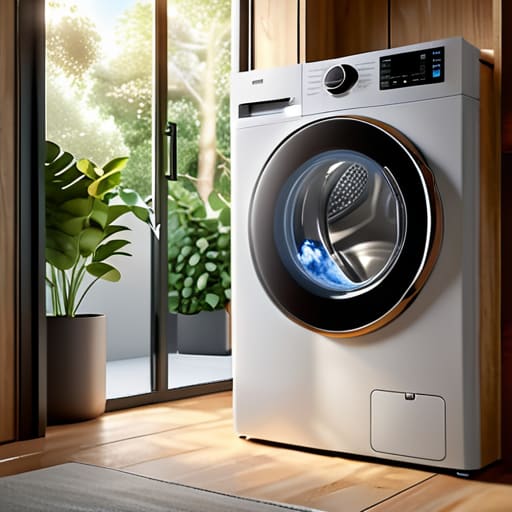
I still remember sitting in my old rental apartment, staring at a utility bill that felt like a personal insult. I was trying to live sustainably on a budget, but my ancient, clunky washer was basically a power vacuum, sucking money straight out of my pocket every time I ran a load. Most people will try to sell you on these high-tech, “smart” energy efficient washing machines that cost a fortune and come with features you’ll never actually use. It’s a total scam to make you think sustainability requires a massive upfront investment. The truth is, you don’t need a luxury appliance to stop wasting electricity; you just need to know what actually matters.
I’m not here to give you a sales pitch or a list of flashy gadgets that won’t actually lower your bills. My goal is to cut through the marketing noise and show you how to pick a machine that actually performs. I’ll be sharing the data-driven reality of what to look for so you can slash your running costs without breaking the bank. We’re going to focus on real-world efficiency, not just fancy labels, so you can keep your impact small and your budget intact.
Table of Contents
Decoding Energy Star Rated Appliances for Your Wallet
When you’re staring at a row of appliances in a showroom, those little blue labels can feel like a marketing gimmick. But as someone who spends my days looking at thermal leaks and power draws, I see them differently. Energy Star rated appliances aren’t just about a badge of honor; they are a standardized way to measure how much money you’re actually going to lose every month. I always tell my clients to look past the flashy touchscreen and find the specific kilowatt-hour rating. It’s the difference between a machine that pays for itself in three years and one that just drains your bank account every time you run a rinse cycle.
It’s also worth digging into the mechanics of how these machines actually work. You’ll often hear the debate regarding front load vs top load efficiency, and for good reason. Generally, front loaders use significantly less water because they tumble the clothes through a small amount of liquid rather than drowning them in a deep tub. If you’re serious about reducing electricity consumption laundry style, choosing a model that optimizes water usage is one of the easiest wins for your budget.
Front Load vs Top Load Efficiency the Real Cost
When I’m auditing a home, I often see people stuck in a cycle of high utility bills simply because they chose a machine based on looks rather than mechanics. The debate over front load vs top load efficiency isn’t just academic; it’s a practical matter of how much water and power you’re burning through every week. Generally, front loaders are the winners here. Because they tumble clothes through a small amount of water rather than submerging them completely, they significantly cut down on washing machine water consumption.
Top loaders, especially the older agitator models, are notorious energy hogs. They need a massive amount of water to get the job done, and heating that water is where your electricity bill really takes a hit. If you’re looking at reducing electricity consumption laundry tasks, a high-efficiency front loader is almost always the smarter play. It might require a bit more patience with the cycle times, but the trade-off in long-term savings is massive. You aren’t just buying a machine; you’re investing in a way to stop letting your hard-earned money vanish down the drain.
5 Small Shifts to Stop Wasting Power Every Laundry Day
- Stop the “one load at a time” habit. Running a half-empty machine is basically burning money for no reason. Wait until you have a full load, but don’t overstuff it to the point where it can’t clean properly—efficiency relies on water circulation.
- Ditch the hot water settings. Most of the energy a washer uses goes straight into heating the water. Modern detergents are designed to work perfectly in cold water, so switching to a cold cycle is the easiest way to slash your utility bill instantly.
- Master the spin cycle. If your machine has a high-speed spin option, use it. Getting more water out of your clothes during the wash means your dryer (the real energy hog in most homes) won’t have to run nearly as long.
- Clean your filter regularly. It sounds like a chore, but a clogged filter makes the motor work harder to pump water, which spikes your energy consumption. A quick clean every few months keeps the machine running lean.
- Skip the “extra rinse” unless you actually need it. Most modern machines are efficient enough with a single rinse. Adding extra cycles just adds extra minutes of electricity usage that your clothes—and your wallet—don’t actually need.
The Bottom Line: What Actually Matters for Your Bills
Don’t get blinded by the sticker price; a cheaper machine that eats electricity is actually more expensive in the long run.
If you’re looking to save the most energy, front-loaders are almost always your best bet because they use less water and heat more efficiently.
Always hunt for the Energy Star label—it’s the quickest way to verify that a machine isn’t just “greenwashed” but actually performs better.
## The Real Cost of Convenience
“Most people look at the price tag on a new washer and think about the upfront cost, but they forget to look at the leak in their bank account every month. A machine that’s cheap to buy but eats electricity is just a slow way of throwing money down the drain.”
Tobias Nkemdirim
Making the Smart Call
At the end of the day, picking a new washer shouldn’t feel like a math exam you didn’t study for. We’ve looked at how much those Energy Star ratings actually matter for your monthly budget and why the front-load vs. top-load debate is really about how much water and electricity you’re willing to let slip through your fingers. It’s easy to get distracted by flashy digital displays or “smart” features that don’t actually save you a dime, but the real winners are the machines that prioritize mechanical efficiency and low water consumption. Remember, the most expensive machine is the one that costs you a fortune in utility bills every single month.
I know that making sustainable choices can sometimes feel like an uphill battle, especially when you’re trying to balance a tight budget with a desire to do better for the planet. But here’s the truth: you don’t need to overhaul your entire life to make an impact. Choosing a machine that works with you, rather than against your wallet, is a massive win for both your bank account and the environment. Every kilowatt saved and every gallon of water conserved counts. Start small, buy smart, and stop letting your hard-earned money disappear into an inefficient appliance.
Frequently Asked Questions
Is it actually worth paying the higher upfront cost for a high-efficiency model, or am I just losing money in the short term?
Look, I get the hesitation. Dropping an extra few hundred bucks upfront feels like a gut punch when you’re on a budget. But I’ve run the numbers on enough audits to tell you: it’s almost always worth it. You aren’t just buying a machine; you’re pre-paying for years of lower utility bills. If you treat the upfront cost as an investment rather than an expense, the machine eventually pays for itself. Don’t let short-term math rob you of long-term savings.
How much can I really expect to save on my monthly utility bills by making the switch?
Look, I’m a data guy, so I don’t do vague guesses. If you’re swapping an old, power-hungry unit for a modern, high-efficiency model, you’re realistically looking at cutting your laundry-related energy costs by 25% to 50%. On your monthly bill, that might only be a handful of dollars, but over a year, it adds up to significant savings. It’s about stopping that slow leak in your budget. Every kilowatt saved is money back in your pocket.
Do energy-efficient machines actually get my clothes as clean as the older, power-hungry ones?
Honestly, I get the skepticism. I used to think more heat and more water meant cleaner clothes, too. But it’s actually the opposite. Modern efficient machines use sensors to detect soil levels and adjust the cycle accordingly. They rely on better mechanical action and precise water distribution rather than just brute-force heating. If you’re using the right detergent and not overloading the drum, your clothes will actually come out cleaner—without the massive utility spike.
