
I still remember standing in my childhood living room, shivering in a puffer jacket while the heater rattled uselessly in the corner. My parents were burning through money just to stay warm, but the heat was leaking out of every crack like it was being invited to leave. Most people think that mastering recycled energy requires a massive solar array or a complete home overhaul that costs more than a mortgage, but that’s a total myth. The truth is, we spend a fortune letting energy escape, treating it like a disposable resource rather than something we should be capturing and reusing right where we live.
I’m not here to sell you on expensive, high-tech gadgets that promise the world but deliver nothing. My goal is to show you how to spot the invisible leaks and implement practical, low-cost ways to keep that warmth and power circulating in your space. I’ll be sharing the exact, data-backed methods I use in my audits to help you stop throwing money away. We’re going to focus on small, smart tweaks that actually move the needle on your utility bills without breaking your bank account.
Table of Contents
Smart Thermal Energy Recovery Systems for Every Budget
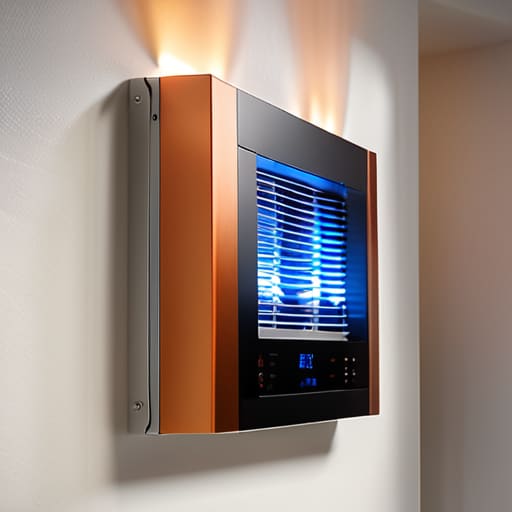
When I’m auditing a home, I usually see the same thing: heat escaping through a window or a vent, essentially flushing money down the drain. You don’t need a massive industrial setup to fix this, though. Even on a tight budget, you can look into basic thermal energy recovery systems like heat recovery ventilators (HRVs). These units capture the warmth from the stale air you’re exhausting and use it to pre-heat the fresh air coming in. It’s a simple way to keep your indoor temperature stable without cranking the thermostat.
If you have a bit more to invest, you can start looking at how your home interacts with larger-scale renewable energy integration. For example, pairing a small-scale heat pump with a smart monitoring system allows you to capture and reuse thermal energy more effectively throughout the day. I’m a big believer in the idea of decarbonization through circularity—even at a household level. It’s about closing the loop so that the energy you pay for actually stays inside your living space instead of vanishing into the atmosphere.
Decarbonization Through Circularity Without the Luxury Price Tag

When people hear “decarbonization,” they usually think of massive solar farms or expensive electric vehicle fleets. But for most of us, real change happens at a much smaller, more circular scale. Decarbonization through circularity isn’t about buying your way into a green lifestyle; it’s about closing the loop on the energy you’ve already paid for. I see this most clearly when homeowners stop treating heat as a disposable resource and start seeing it as something that can be captured and reused.
You don’t need a commercial-grade setup to make this work. For instance, even simple biomass energy conversion—like using a high-efficiency pellet stove instead of an old electric heater—can significantly cut your reliance on the grid. It’s about looking at your home as a system where nothing should just vanish into thin air. By focusing on minimizing thermal loss and repurposing what we already have, we can slash our carbon footprints without needing a massive renovation budget. It’s practical, it’s efficient, and most importantly, it actually saves you money in the long run.
5 Low-Cost Ways to Capture Energy You’re Already Wasting
- Stop letting heat vanish down the drain. If you’re running a dishwasher or washing machine, try to time it for when you’re actually home to use the residual warmth, or better yet, look into heat recovery kits for your drainage—they’re surprisingly cheap and stop hot water from just disappearing into the pipes.
- Redirect your kitchen’s “waste” heat. When you’re boiling water or using the oven, don’t just let that thermal energy dissipate into the air. If you’re cooking on a stovetop, keep a lid on the pot to trap the heat, or use the residual warmth from a freshly turned-off oven to warm up your next dish.
- Use your tech’s heat to your advantage. I spend a lot of time restoring old gear, and one thing I’ve noticed is how much heat certain electronics bleed. If you have a desktop setup or a gaming rig that runs hot, position it near a drafty corner or under a desk to act as a tiny, unintended space heater.
- Harness the sun without the solar panel price tag. You don’t need a massive array to benefit from solar energy. Simple, passive tricks like strategic curtain management—opening them wide during the day to soak up solar gain and closing them tight the second the sun dips—can significantly reduce the energy your heater has to work to provide.
- Audit your appliance “vampire” loads. It sounds cliché, but those standby lights and idle circuits are essentially recycling electricity back into the grid instead of keeping it in your home. Use smart power strips to ensure that once a device is off, it’s actually drawing zero power, stopping that slow bleed of money.
The Bottom Line on Recycled Energy
You don’t need a massive solar farm to make a difference; capturing heat that’s already being produced in your home is the fastest way to see your utility bills drop.
Sustainability shouldn’t be a luxury, so focus on low-cost circularity—like reusing thermal energy—before you even think about investing in expensive, high-end tech.
Stop treating energy as a single-use resource; the goal is to move away from “use it and lose it” and toward a system where every watt works twice as hard for you.
The Real Cost of Wasted Heat
“We’ve been trained to think of energy as something you just buy, use, and throw away—like it’s a single-use plastic. But when you start looking at your home through the lens of energy recovery, you realize that ‘waste’ is just a resource you haven’t figured out how to catch yet.”
Tobias Nkemdirim
Making the Shift

At the end of the day, recycling energy isn’t some high-concept theory reserved for tech billionaires or massive corporations. It’s about the practical reality of how we manage the heat and power we’ve already paid for. Whether you’re installing a simple heat recovery vent or just being more intentional about how your home’s thermal energy circulates, the goal is the same: stop the leak. By looking at our homes through a circular lens, we can turn what used to be invisible waste into a tangible way to slash monthly utility bills and reclaim control over our living spaces.
I know it can feel overwhelming when you look at the scale of the climate crisis, but I promise you, you don’t have to fix everything at once. Sustainability shouldn’t be a luxury item that only certain people can afford to participate in. It starts with these small, calculated shifts in how we treat our resources. Every bit of energy we recover is a win for your wallet and a win for the planet. Let’s stop treating energy like it’s infinite and start treating it like the valuable asset it actually is. Your home—and your bank account—will thank you.
Frequently Asked Questions
If I'm living in a rental apartment, what are some low-cost ways I can actually capture and reuse heat without making permanent changes to the building?
Since you can’t tear down walls in a rental, you have to focus on “thermal capture.” First, grab some heavy, thermal-lined curtains; they act like a barrier to stop heat from escaping through glass. I also swear by draft stoppers for the bottom of doors—it’s a cheap way to keep your warmth where it belongs. Finally, if you use a space heater, position it near a window to catch any residual heat leaks.
How much of an actual impact will these small-scale energy recovery tweaks have on my monthly utility bill versus just being a "feel-good" eco-project?
Look, I get the skepticism. It’s easy to write these things off as “greenwashing” for your conscience. But I’ve seen the data—and more importantly, I’ve seen the bills. If you’re just buying bamboo straws, it’s a feel-good project. But if you’re recovering heat from your greywater or sealing those thermal leaks I’m always hunting with my thermometer, you’re looking at real, measurable reductions in your monthly costs. It’s not just eco-friendly; it’s math.
Are there any specific DIY setups for thermal recovery that won't end up being a fire hazard or more complicated than they're worth?
Look, I get the hesitation. Most DIY energy hacks you see online are basically just “how to burn your house down” tutorials. Avoid anything involving open flames or hacking high-voltage wiring. Instead, focus on passive thermal recovery. I’m talking about things like using thermal mass—repositioning heavy furniture against south-facing windows to soak up sun—or installing simple heat recovery ventilation (HRV) kits. They’re low-risk, high-reward, and won’t leave you calling the fire department.
