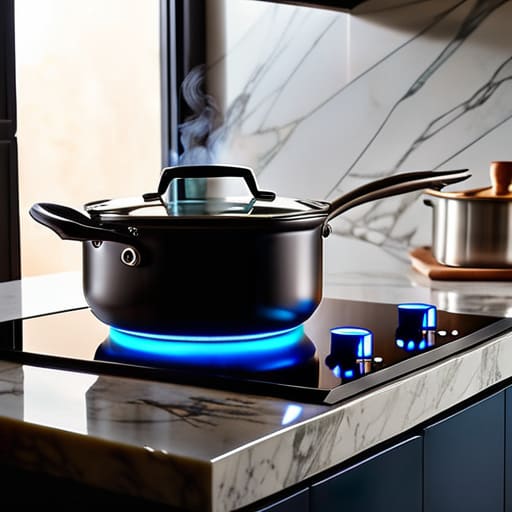
I remember standing in my first tiny rental kitchen, staring at a clunky, ancient electric stovetop that felt like it was heating the entire apartment instead of just the pot. I’d turn the dial to high, wait ten minutes for a pot of water to even think about boiling, and then watch as the excess heat drifted toward the ceiling, wasting energy I couldn’t afford. Most people think induction cooking is some high-end, elitist luxury reserved for people with massive renovation budgets and designer kitchens. They’re wrong. It’s not about having a “fancy” kitchen; it’s about stopping the massive energy leak that happens every single time you boil water on a traditional coil or glass top.
I’m not here to sell you on a lifestyle aesthetic or some overpriced kitchen gadget. My goal is to give you the actual, data-backed reality of how switching to induction cooking can slash your monthly utility costs and give you back control of your kitchen. I’ll break down what you actually need to know—from cookware compatibility to real-world efficiency gains—without the marketing fluff. This is about making smart, sustainable choices that actually make sense for your wallet.
Table of Contents
Mastering Induction Cooking Energy Efficiency to Lower Your Monthly Bills
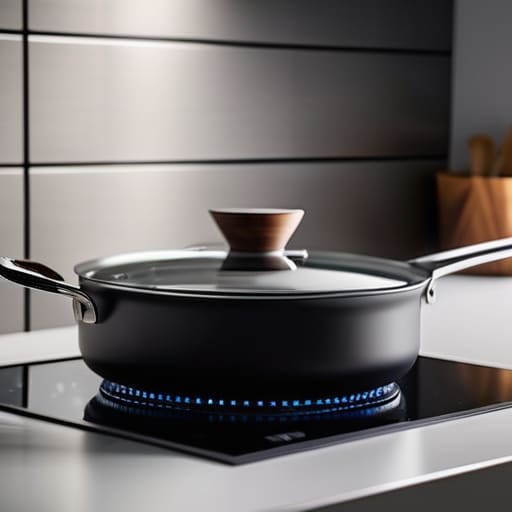
To actually see a difference in your utility bill, you have to understand the physics at play. Unlike a standard electric coil that heats up the air around the pan, the induction heating mechanism uses electromagnetism to turn the cookware itself into the heat source. This means almost zero wasted energy escaping into your kitchen. When I’m auditing a home, I always check if people are using the right gear; you need to ensure you have proper magnetic cookware compatibility by testing your pots with a simple magnet. If the magnet sticks, you’re good to go.
Once you have the right setup, the real savings come from utilizing precision temperature control. On a traditional stove, you often overshot the heat you actually need, wasting power just to cool things back down. With induction, you can dial in the exact temperature required for a simmer or a sear, which keeps your energy consumption incredibly lean. It’s not just about being “green”—it’s about stopping the constant drain on your wallet caused by inefficient, heat-leaking appliances.
The Induction Heating Mechanism Science That Saves You Money
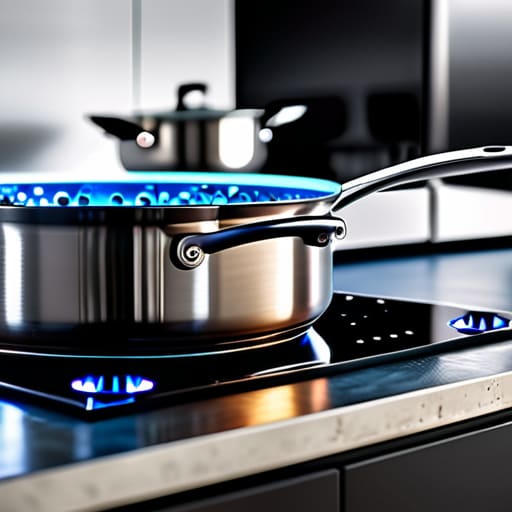
To understand why this tech actually works, you have to look past the sleek glass surface. Unlike a standard electric coil that gets hot and then tries to pass that heat into your pan, the induction heating mechanism skips the middleman. It uses an electromagnetic field to turn your cookware itself into the heat source. Instead of heating the air around the pot—which is just wasted energy escaping into your kitchen—the energy goes directly into the metal. This is why the efficiency gap in induction vs traditional electric is so massive; you aren’t fighting against ambient heat loss every time you boil water.
The real magic for your wallet, though, is the precision temperature control. Because the heat is generated instantly within the pan, there’s no “thermal lag” where the burner stays hot long after you’ve turned it down. It’s an immediate response that prevents overcooking and keeps your power draw consistent. Just keep in mind that you do need to check your magnetic cookware compatibility first; if a magnet doesn’t stick to the bottom of your pot, it won’t work. It’s a small hurdle, but the long-term savings make it worth the check.
5 Practical Ways to Maximize Your Induction Efficiency
- Match your cookware size to the ring. If you use a small pot on a large induction zone, you’re essentially creating a thermal mismatch that wastes the potential of that specific heating element. I always check that the base of my pans covers the ring as closely as possible to keep the energy transfer direct.
- Use the right magnetic cookware. Since induction relies on electromagnetism, you can’t just use any old pot. If a magnet doesn’t stick firmly to the bottom of your pan, it won’t work efficiently. I always test my gear with a simple magnet before I even bother plugging the stove in.
- Stop using lidless cooking. This is a basic one, but it’s easy to forget. Keeping a lid on your pot traps the heat exactly where you need it, meaning you can often turn the power setting down significantly without losing any cooking speed.
- Avoid the “max power” trap. You don’t need to blast the induction cooktop on its highest setting just to boil water. Once the water hits a boil, drop the setting immediately. Induction reacts so fast that you can maintain a simmer much more effectively than you ever could on gas.
- Keep the cooktop surface clean. Because induction uses magnetic fields rather than a glowing red element, it stays relatively cool, but a layer of grease or burnt food can still interfere with the sensor’s ability to regulate temperature accurately. A clean surface ensures the tech works exactly as intended.
Quick Wins for Your Energy Bills
Stop wasting heat by matching your cookware size to the induction zone; if the pan is too small, you’re just heating the air instead of your food.
Ditch the heavy lids for lighter ones—or better yet, use them—to trap heat efficiently and cut down the time your cooktop needs to run.
Use the precision of induction to your advantage by turning the heat down the moment you hit a simmer, rather than letting it blast unnecessarily.
The Real Bottom Line
“I’ve spent enough time scanning walls for heat leaks to know that wasted energy is just money escaping your pocket. Induction isn’t some high-end kitchen trend; it’s a tool for anyone who wants to stop paying to heat their air and start putting that money back into their budget.”
Tobias Nkemdirim
Making the Switch
At the end of the day, moving to induction isn’t just about having a fancy new appliance; it’s about reclaiming control over your kitchen and your wallet. We’ve looked at how the physics of electromagnetic induction eliminates the massive heat loss seen in traditional electric or gas stoves, and how mastering simple habits—like using the right cookware and matching your pot size to the ring—can shave significant amounts off your monthly utility statement. It’s a combination of smarter technology and intentional habits that ultimately stops the energy bleed in your home.
I know that changing how you cook can feel like a hurdle, especially if you’re used to the old way of doing things. But I promise you, once you see the speed and the precision, you won’t want to go back. Transitioning to an efficient kitchen is one of the most practical ways to live more sustainably without needing a massive renovation budget. We don’t need to wait for perfect, expensive solutions to make an impact; we just need to make better choices with the tools we have. Start small, watch your bills drop, and remember that every watt saved is a win for both your bank account and the planet.
Frequently Asked Questions
Do I really need to replace all my existing pots and pans, or can I use what I already have?
Don’t go out and buy a whole new set just yet. The short answer is: it depends on what’s in your cupboard. Since induction uses magnetism, your cookware needs to be magnetic. Grab a fridge magnet—if it sticks firmly to the bottom of your pan, you’re good to go. If it doesn’t, that pan won’t work. Focus on replacing only the essentials first to save money and avoid unnecessary waste.
Is induction actually safer for kids and pets since the cooktop surface doesn't get hot like traditional electric stoves?
It’s a huge relief for anyone with kids or pets. Unlike traditional electric or gas stoves, the cooktop itself doesn’t become a massive heat source. Because the magnetism only targets the cookware, the surface stays relatively cool to the touch. You won’t deal with those accidental, painful burns from a lingering hot burner. It’s one of those small, practical safety wins that makes a kitchen feel much more controlled and less hazardous.
How much of a difference will I actually see in my monthly electricity bill compared to my old gas or electric range?
Look, I’m all about the data, so I won’t give you a vague “it’ll save you money” answer. If you’re switching from an old electric coil range, the difference is massive because induction is way more efficient at transferring heat to the pan. If you’re moving from gas, the savings are more subtle but still real once you factor in the energy wasted heating your kitchen. Expect a noticeable dip in your monthly utility costs.
