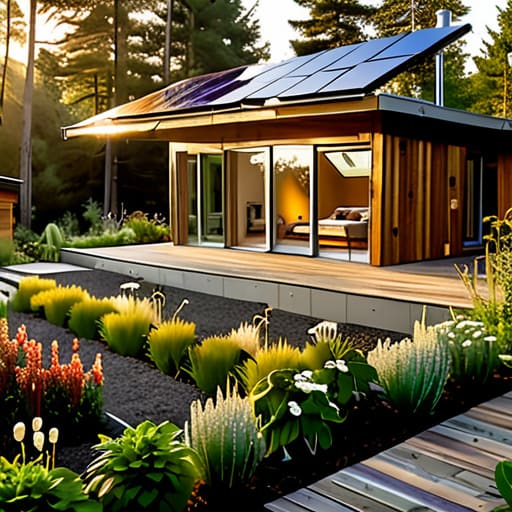
I still remember standing in my old rental apartment at 3 AM, shivering under three layers of blankets because the heating bill was too high to justify turning the thermostat up. It felt like a losing battle—trying to live responsibly while being punished financially for it. Most people think that if you want to reduce carbon footprint, you need to drop fifty grand on solar panels or buy a brand-new electric SUV. Honestly? That’s a load of nonsense. The industry loves to sell you expensive “green” gadgets, but they rarely talk about the massive amount of energy you’re just leaking through your window frames and outdated appliances every single day.
I’m not here to sell you a lifestyle you can’t afford or preach from a pedestal. My goal is to give you the actual, data-backed tactics I use in my consulting work to find those hidden energy drains. We’re going to focus on low-cost, high-impact shifts that actually work in a real home. I’ll show you how to stop wasting power and start saving money, proving that you don’t need a massive bank account to make a genuine difference.
Table of Contents
Low Carbon Lifestyle Tips for Every Budget

You don’t need a massive solar array or a brand-new Tesla to start making a difference. For most of us, the real impact comes from auditing our daily routines. I always tell my clients to start with the “invisible” leaks—both literal and figurative. For example, switching to LED bulbs is a no-brainer, but looking at your eco-friendly consumer habits regarding what you actually bring into your house is where the real savings happen. Buying less, choosing quality over quantity, and opting for second-hand goods isn’t just good for the planet; it keeps more money in your pocket.
If you’re looking for more direct ways to tackle the big stuff, consider how you move and eat. Exploring sustainable transportation options, like biking more often or timing your car trips to avoid idling, can significantly cut down your personal impact. Even something as simple as meal prepping to reduce food waste helps in reducing household greenhouse gas emissions by lowering the energy required for constant refrigeration and cooking. It’s about making these shifts feel like common sense rather than a sacrifice.
Reducing Household Greenhouse Gas Emissions Without Breaking the Bank

When I’m auditing a house, I usually see the same thing: people thinking they need to install a massive solar array or buy a Tesla just to make a dent. That’s a myth. Most of the heavy lifting when it comes to reducing household greenhouse gas emissions actually happens in the small, invisible gaps of your daily routine. I’m talking about the stuff that doesn’t require a contractor, like switching to LED bulbs or finally tackling that drafty window with some basic weatherstripping. It’s about plugging the leaks—literally and figuratively—so your heater isn’t fighting a losing battle against the outdoors.
It also helps to look at your consumption through a more intentional lens. Developing better eco-friendly consumer habits, like choosing products with less packaging or being more mindful of your water usage, might seem minor, but it adds up. I always tell my clients that sustainability isn’t an all-or-nothing game. You don’t need to overhaul your entire life overnight; you just need to stop the bleed of wasted resources. It’s about being observant of where your money and your energy are actually going.
Five Quick Wins to Stop Leaking Cash and Carbon
- Audit your phantom loads. I always carry my infrared thermometer to find heat leaks, but you should also look for “vampire” electronics. If your TV, gaming console, or coffee maker is plugged in and glowing with a standby light, it’s pulling power. Use a cheap power strip to kill the connection entirely when you aren’t using them.
- Master the art of the thermostat. You don’t need a smart home system to save money. Just dropping your heat by two degrees in the winter or bumping your AC up by two in the summer makes a massive difference in your monthly bill and your total emissions. It’s about being intentional, not just letting the machine run wild.
- Wash cold and dry smart. Most of the energy used by a washing machine goes toward heating the water. Switching to cold cycles is a zero-cost move that preserves your clothes and slashes your footprint. And if the weather allows, use a drying rack; dryers are absolute energy hogs.
- Seal the gaps, save the heat. This is my favorite low-cost fix. If you feel a draft, you’re literally throwing money out the window. A simple roll of weatherstripping or even a heavy draft stopper at the base of a door can stop that expensive conditioned air from escaping.
- Rethink your meal prep. It’s not just about what you eat, but how you cook it. Using a microwave, an air fryer, or even a slow cooker is significantly more efficient than preheating a massive oven for a single tray of veggies. Small shifts in kitchen habits add up fast.
The Bottom Line

Sustainability isn’t a luxury reserved for people with massive savings; it’s about making small, intentional shifts in how you use energy every day.
Focus on the “low-hanging fruit” first—like sealing drafts and optimizing your thermostat—to see immediate drops in both your bills and your emissions.
Every bit of wasted energy is essentially money leaking out of your pocket, so stop treating efficiency as an afterthought and start seeing it as a way to take back control.
The Reality of Sustainability
“Sustainability isn’t some luxury lifestyle reserved for people with massive bank accounts; it’s actually about the discipline of not wasting what we already have. If you can stop your heat from leaking through a drafty window, you’re doing more for the planet—and your wallet—than most people realize.”
Tobias Nkemdirim
The Bottom Line
At the end of the day, reducing your carbon footprint isn’t about making massive, sweeping lifestyle changes overnight that leave you feeling broke and exhausted. It’s really just about the cumulative effect of those smaller, smarter choices we’ve talked about—from plugging those sneaky heat leaks to being more intentional about how much power we pull from the grid. Whether you’re sealing a drafty window or simply swapping out old bulbs, every single one of these shifts helps stop the cycle of wasted energy. It’s about being observant of your own space and realizing that efficiency isn’t a luxury reserved for the wealthy; it’s a practical way to take control of your monthly expenses.
I know it can feel overwhelming when you look at the global scale of climate change, but please don’t let that paralyze you. I spent years living in a freezing rental, feeling like I had no agency, but I learned that small, consistent actions are what actually move the needle. You don’t need a perfect, zero-waste life to make a difference; you just need to start where you are with what you have. Let’s stop letting convenience dictate our consumption and start building homes that are actually built to last—for our wallets and for the planet.
Frequently Asked Questions
If I can't afford expensive solar panels or a heat pump right now, what's the single most effective thing I can do to see a difference in my bills?
If you’re looking for the biggest bang for your buck without a massive upfront investment, focus on your thermal envelope. Honestly, stop letting your money leak through the cracks. Grab some weatherstripping or draft stoppers for your doors and windows. It’s cheap, it takes twenty minutes, and it stops your heater from fighting a losing battle against the outside air. If you can seal the leaks, you keep the heat in and the costs down.
How much of an actual impact does switching to LED bulbs or smart plugs make compared to bigger changes like improving insulation?
Look, I get the temptation to start with the easy stuff. Switching to LEDs and smart plugs is great for low-hanging fruit—it’s cheap and you’ll see the impact on your bill almost immediately. But if we’re talking real, long-term numbers, insulation is the heavy hitter. You can swap every bulb in the house, but if your heat is escaping through the attic, you’re just fighting a losing battle. Fix the leaks first; use the LEDs to fine-tune.
Are there specific "hidden" energy drains in older rental apartments that I should be looking out for during a DIY audit?
Since I grew up in a drafty rental, I know exactly what you mean. Grab your infrared thermometer—it’s your best friend here. Check the window frames and door sweeps first; that’s where most heat escapes. Also, look at your electrical outlets on exterior walls; they often leak air. Don’t forget the “phantom load” from old appliances plugged in but not in use. These tiny leaks and drains add up to massive bills.
