I still remember my first apartment—a drafty studio where the radiator hissed like a dying animal, but the floor stayed ice-cold no matter how high I turned the dial. I spent half my winters walking on my tiptoes in thick wool socks just to avoid that bone-chilling sensation. Most people think that installing floor heating is some luxury reserved for high-end, eco-conscious mansions, but that’s a total myth. You don’t need a massive renovation budget or a designer architect to stop your feet from freezing; you just need to understand how heat actually moves through a room.
In this guide, I’m cutting through the marketing fluff to show you how to approach this technology without wasting your money. I’ll walk you through the actual efficiency of different systems and help you figure out which setup makes sense for your specific space and budget. My goal isn’t to sell you a high-tech gadget, but to give you the practical data you need to stay warm while keeping your monthly energy bills as low as possible.
Table of Contents
- Stop Wasting Energy the Real Value of Floor Heating
- Electric vs Hydronic Heating Comparison Choosing Smarter
- Uncovering the Radiant Heating Benefits for Your Wallet
- Smart Upgrades That Wont Break Your Bank Account
- Calculating the True Cost of Installing Heated Floors
- Finding the Best Flooring for Underfloor Heating Efficiency
- 5 Practical Ways to Get the Most Out of Your Heated Floors
- The Bottom Line on Underfloor Heating
- ## The Efficiency Reality Check
- Making the Switch Count
- Frequently Asked Questions
Stop Wasting Energy the Real Value of Floor Heating

When I’m auditing a home, I usually see the same mistake: people trying to fight the cold by cranking up a central furnace that blasts hot air at the ceiling, leaving the floor—where you actually feel the chill—completely freezing. That’s where the real value of radiant systems comes in. Instead of fighting physics, you’re working with them. By heating the surfaces of the room directly, you get a much more consistent temperature. The radiant heating benefits aren’t just about comfort; it’s about the fact that you aren’t wasting energy heating empty air space above your head.
I often get asked about the upfront math, specifically regarding the cost of installing heated floors versus traditional radiators. While the initial setup might feel steeper, you have to look at the long-term efficiency. When you pair a well-insulated setup with a smart thermostat for floor heating, you gain a level of granular control that a standard boiler just can’t match. You aren’t just heating a house; you’re managing a thermal environment that responds to your actual presence, cutting down on those massive, unnecessary spikes in your utility bill.
Electric vs Hydronic Heating Comparison Choosing Smarter
When you’re looking at your options, it usually comes down to electric mats versus hydronic systems. Electric is the “quick fix”—it’s easy to install in a retrofit and works great for small spaces like a bathroom. But if you’re looking at a whole-house project, the running costs can get pretty heavy. I’ve seen too many people opt for electric because the upfront price is lower, only to realize they’re bleeding money every month on their utility bills.
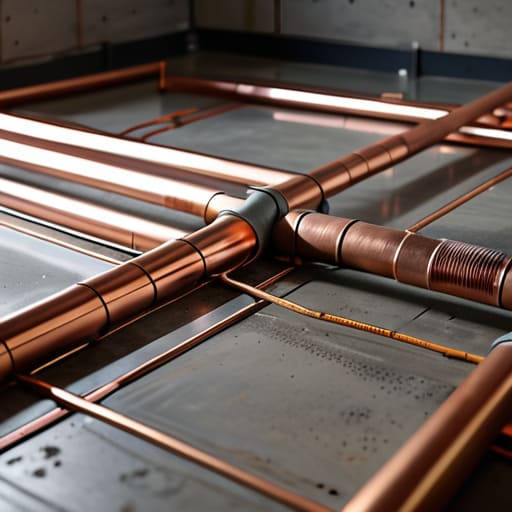
Hydronic heating, which uses warm water piped through the floor, is a different beast entirely. The initial setup is more complex and definitely more expensive, but the efficiency is hard to beat. For anyone serious about long-term energy savings and a lower carbon footprint, hydronic is the smarter investment. It holds heat much more consistently, meaning your boiler isn’t constantly cycling on and off to fight the chill.
Uncovering the Radiant Heating Benefits for Your Wallet
When I’m auditing a home, I usually see people fighting a losing battle against drafty radiators that heat the air, not the people. That’s where radiant floor heating changes the math. Instead of forcing your HVAC system to work overtime to warm up a massive volume of air, floor heating targets the surfaces you actually touch. Because heat rises, you’re essentially creating a warm zone exactly where you live, rather than wasting energy heating the ceiling. It’s a much more efficient way to manage thermal comfort without the constant cycling of a loud, power-hungry furnace.
From a purely financial standpoint, the long-term math is what matters most. While the upfront installation might feel like a hurdle, the reduction in monthly utility spikes is real. You aren’t just paying for heat; you’re paying for targeted temperature control that doesn’t leak out through windows as easily as hot air does. It’s about working smarter, not harder, with the energy you’ve already paid for.
Smart Upgrades That Wont Break Your Bank Account
If you’re worried about the upfront cost, don’t let that stop you from looking at partial upgrades. You don’t have to rip up every square inch of your house at once. I often tell my clients to start with high-traffic zones—like the kitchen or the bathroom—where you spend the most time. When looking at the cost of installing heated floors, focusing on these specific “micro-zones” makes the investment much more manageable. It’s about being strategic with where you direct your energy and your money.
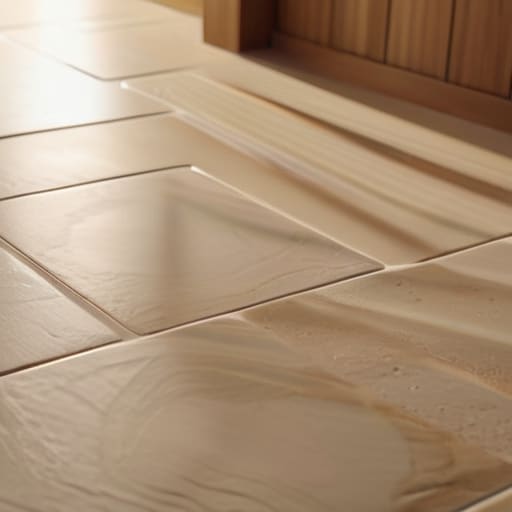
Choosing the right surface is another way to keep things efficient. Not all materials play nice with thermal transfer; for instance, thick carpets act like a heavy blanket that traps heat, forcing your system to work twice as hard. If you want to get the most out of your setup, picking the best flooring for underfloor heating—like tile, stone, or even certain hardwoods—ensures that the warmth actually reaches your feet instead of getting lost in the material. Pair this with a smart thermostat for floor heating, and you’ve essentially built a system that works for you, not against your wallet.
Calculating the True Cost of Installing Heated Floors
When I’m auditing a home, I always tell people to look past the initial sticker price. It’s easy to get sticker shock when you see the upfront cost of materials and labor for floor heating, but that’s only half the story. You have to factor in the long-term energy savings that come from the efficiency of radiant heat. If you’re just looking at the invoice from the contractor, you’re missing the bigger picture of how much less you’ll be spending on monthly utility bills over the next decade.
To get a real number, I recommend running a simple comparison: take your current heating costs and project them against the estimated efficiency gains of a heated floor system. Don’t forget to include the cost of any necessary electrical upgrades or plumbing adjustments. Calculating your return on investment is the only way to know if this upgrade actually makes sense for your budget.
Finding the Best Flooring for Underfloor Heating Efficiency
Once you’ve decided on a heating system, you can’t just pick any flooring and expect it to work efficiently. I see this mistake all the time during my audits: people install thick, heavy carpets over their heating elements, and then they wonder why their energy bills are spiking. You need materials with high thermal conductivity to ensure the heat actually moves from the floor into the room. Thin, dense materials like tile, stone, or even certain hardwoods are your best friends here. They act like a thermal battery, absorbing the heat and spreading it evenly across the surface.
If you’re looking for something more budget-friendly, luxury vinyl plank (LVP) is a solid middle ground. It’s much thinner than traditional wood, meaning it doesn’t act as a thermal barrier that blocks the warmth from reaching your feet. Just make sure you check the manufacturer’s specs to ensure it’s rated for underfloor use.
5 Practical Ways to Get the Most Out of Your Heated Floors
- Don’t fight your thermostat; once you set your floor heating to a consistent, lower temperature, it’s much more efficient than constantly cranking it up and down to compensate for a cold room.
- Watch your rugs. While a soft rug feels great, thick, heavy carpets act like insulation that traps the heat under the rug instead of letting it radiate into the room, making your system work twice as hard.
- Use a smart thermostat to automate the process. If you can program your heating to dial back while you’re at work or sleeping, you’re cutting out all that wasted energy that usually just heats an empty house.
- Check your seals while you’re at it. There’s no point in having efficient floor heating if you’re losing all that warmth through a drafty window or a gap under the door—I always grab my infrared thermometer to check for those leaks.
- Pair your heating with thermal curtains. Closing heavy, insulating curtains at night helps trap the radiant heat inside the living space, keeping the warmth where you actually need it.
The Bottom Line on Underfloor Heating
Don’t just look at the installation price; focus on the long-term efficiency gains from radiant heat to ensure your monthly utility bills actually drop.
Choosing the right flooring material is just as important as the heating system itself—pick materials that conduct heat well to avoid wasting energy.
Whether you go electric or hydronic depends on your specific setup, but the goal is always the same: smart, targeted warmth that doesn’t require heating empty air.
## The Efficiency Reality Check
“I’ve spent enough time pointing an infrared thermometer at drafty baseboards to know that heating the air is a losing game. Floor heating isn’t just a luxury; it’s about moving the warmth to where you actually feel it, instead of wasting energy heating empty space toward a ceiling.”
Tobias Nkemdirim
Making the Switch Count

At the end of the day, choosing floor heating isn’t just about luxury; it’s about making a calculated move toward a more efficient home. We’ve looked at how the right system—whether you go with the quick install of electric mats or the long-term thermal stability of hydronic lines—can fundamentally change how your space holds heat. By pairing your setup with the right flooring materials and doing the math on your initial investment versus long-term utility savings, you move away from the “heat and pray” method of staying warm. It’s about stopping the energy leaks and ensuring that every kilowatt you pay for actually stays where you need it: at your feet.
I know that looking at installation costs can feel overwhelming, especially when you’re trying to balance a budget. But I’ve seen enough thermal scans to know that small, intentional upgrades are what actually move the needle on your carbon footprint and your bank statement. You don’t need to gut your entire house to start living more sustainably. Start with a single room, do the research, and build from there. Living efficiently shouldn’t feel like a sacrifice; it should feel like you’re finally in control of your environment and your wallet.
Frequently Asked Questions
Is it actually possible to retrofit underfloor heating into an existing home without tearing up every single floorboard?
Honestly, I get the anxiety—the thought of ripping up every floorboard in your house sounds like a nightmare. But you don’t always have to go full demolition. If you’re looking at electric heating mats, they’re incredibly thin and can often be installed right over your existing subfloor. For hydronic systems, it’s a bigger job, but some low-profile options exist. It’s all about checking your floor height and budget before you start swinging a hammer.
How much of a difference does the specific flooring material actually make to my monthly electricity or gas bill?
It makes a massive difference. Think of your flooring as the thermal blanket for your house. If you install underfloor heating under thick, heavy carpet, you’re basically trying to heat a room through a duvet—you’ll waste a ton of energy just trying to penetrate that barrier. I always tell my clients to stick to tile, stone, or engineered wood. These materials have high thermal conductivity, meaning they soak up the heat and radiate it back efficiently without forcing your system to work overtime.
Can I control different zones in my house separately, or am I stuck heating the whole floor even if I'm only using one room?
You definitely aren’t stuck heating the whole house. If you set up your system with zoning, you can control different areas independently. I always tell my clients to look into smart thermostats or zone controllers; they let you crank the heat in your home office while keeping the guest room at a baseline temperature. It’s one of the best ways to stop wasting energy on rooms you aren’t even using.
