
I still remember sitting in my old rental apartment three years ago, wrapped in two blankets and shivering, staring at a heating bill that felt like a personal insult. I used to think building an eco friendly home was a luxury reserved for people with massive solar arrays and deep pockets, but that’s just a lie sold to us by people who don’t care about the average renter or homeowner. The truth is, most of the “green” advice out there is way too complicated and way too expensive. We’ve been conditioned to think that sustainability requires a total lifestyle overhaul, when really, it’s often just about plugging the holes we’re already paying to ignore.
I’m not here to sell you on expensive gadgets or high-end smart systems that will break in two years. Instead, I’m going to show you how to use a bit of data and some practical, low-cost tweaks to stop the energy bleed in your own space. My goal is to give you a realistic roadmap to a more sustainable lifestyle that actually makes sense for your bank account. We’re going to focus on the small, smart changes that keep your bills low and your carbon footprint even lower.
Table of Contents
Small Shifts Toward Zero Waste Home Practices

When I walk into a client’s house with my thermal scanner, I don’t just look for drafts; I look at the lifestyle habits that are quietly draining their bank accounts. Transitioning to a more sustainable way of living doesn’t require a complete overhaul or a massive renovation budget. It starts with zero waste home practices that actually make sense for your daily routine. For me, that means looking at what we bring through the front door. If you stop buying single-use items that end up in a landfill, you aren’t just helping the planet—you’re stopping the cycle of constant, unnecessary spending.
It’s also about being intentional with what you already own. Instead of chasing every new “green” gadget, I advocate for low impact interior design—choosing quality over quantity and repurposing what you have. I spend my weekends restoring old tech because it’s more efficient than buying new, and it’s much better for your wallet. By focusing on reducing your household carbon footprint through smarter consumption rather than expensive upgrades, you turn sustainability from a luxury into a practical, everyday reality.
Choosing Sustainable Building Materials Without Breaking the Bank
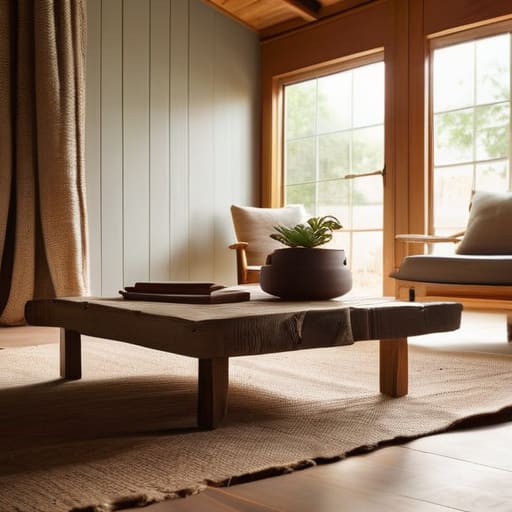
When I’m auditing a space, I often see people assume that going green requires a massive renovation budget. That’s a myth. You don’t need to strip your walls to start prioritizing sustainable building materials. I always tell my clients to look at what they already have or what’s readily available. Instead of buying brand-new, high-end eco-products, look for reclaimed wood or even high-quality second-hand furniture. It’s a core part of low impact interior design—using what already exists rather than fueling the demand for new manufacturing.
If you are looking to replace something, focus on the “hidden” materials. For instance, choosing cork flooring or bamboo isn’t just a trend; these are rapidly renewable resources that actually help regulate temperature. Even something as simple as switching to low-VOC paints can significantly improve your indoor air quality without costing a fortune. It’s about being an intentional shopper rather than just following a trend. By making these smaller, smarter material choices, you’re effectively reducing your household carbon footprint one room at a time, all while keeping your bank account intact.
Stop Leaking Money: 5 Low-Cost Fixes for a More Efficient Home
- Seal the gaps before they drain your wallet. I always pull out my infrared thermometer during audits, and it’s wild how much heat escapes through tiny cracks around window frames and door sweeps. Grab some weatherstripping or even just some basic caulk; it’s a tiny investment that stops your heater from working overtime for nothing.
- Stop letting your water heater run wild. Most people have their tanks set way higher than necessary. Dialing it back to about 120°F (49°C) is plenty for a hot shower and keeps you from paying to heat water you aren’t even using. It’s a simple tweak that adds up over a billing cycle.
- Switch to smart power strips for your tech setup. We talk a lot about “vampire energy,” and it’s real. Even when your TV or gaming console is “off,” it’s likely still pulling power. Using a power strip that cuts the connection entirely when devices aren’t in use is an easy way to trim the fat from your electric bill.
- Optimize your lighting without a full renovation. You don’t need to rip out all your fixtures to be efficient. Just swap out your old, heat-wasting incandescent bulbs for LEDs as they burn out. They last longer and use a fraction of the wattage, which is a win for both your budget and the planet.
- Master your thermostat habits. If you’re leaving the heat or AC blasting while you’re at work or asleep, you’re essentially throwing money out the window. Even if you can’t afford a fancy smart thermostat yet, just getting into the habit of adjusting it manually by a few degrees when you leave can make a massive difference in your monthly costs.
The Bottom Line on Cutting Costs and Carbon
Sustainability isn’t a luxury reserved for people with huge renovation budgets; it’s mostly about auditing your current habits and plugging the leaks—literally and figuratively.
Focus on high-impact, low-cost upgrades like sealing air gaps and optimizing your existing tech before you even think about investing in expensive, high-end green gadgets.
Every small tweak, from how you manage your thermostat to the materials you choose, serves a dual purpose: it keeps more money in your pocket and less heat escaping into the atmosphere.
## The Real Cost of Convenience
“A sustainable home isn’t a luxury item you buy; it’s a series of smart, intentional decisions that stop your money and your energy from leaking out of the walls.”
Tobias Nkemdirim
Making It Stick

At the end of the day, building an eco-friendly home isn’t about a single, massive renovation that clears out your savings account. It’s about the cumulative effect of the choices we talked about—from adopting zero-waste habits in your daily routine to being intentional about the materials you bring into your space. Whether you’re sealing up a drafty window or opting for reclaimed timber, every single one of these moves serves a dual purpose: it lowers your monthly overhead and reduces the unnecessary strain on our planet. I’ve seen firsthand through my audits that you don’t need a massive budget to see a real difference; you just need to stop letting energy slip through the cracks.
I know it can feel overwhelming when you look at the scale of the climate crisis, but please don’t let that paralysis stop you from starting where you are. Sustainability shouldn’t be a luxury reserved for the wealthy; it should be a standard for everyone. If you can only afford one small change this month, make that one change count. We don’t need a handful of people doing perfect sustainability; we need millions of us doing it imperfectly, one smart tweak at a time. Let’s stop prioritizing convenience over our future and start building homes that actually work for us and the world around us.
Frequently Asked Questions
If I'm renting, what are the best low-cost ways to improve my home's energy efficiency without making permanent changes?
If you’re renting, you can’t exactly swap out the windows or rewire the walls, but you can still stop the heat from escaping. I always tell my clients to start with draft excluders for doors and heavy thermal curtains—they’re cheap and make a massive difference. Stick some weatherstripping around leaky window frames too. It’s all about sealing the gaps. You aren’t changing the house; you’re just making it work better for you.
How do I know if a "sustainable" appliance is actually worth the higher upfront cost in the long run?
Don’t let the “eco” label fool you into overspending. I always look at the Total Cost of Ownership, not just the sticker price. Grab the spec sheet and compare the annual energy consumption (kWh) against a standard model. If the energy savings don’t pay back that price gap within two or three years, it’s a bad investment. I use my thermal scanner to spot leaks, but for appliances, I use the math.
Which specific areas of a standard home usually have the biggest heat leaks that I should prioritize fixing first?
If I’m walking through a house with my infrared thermometer, I’m looking for the obvious culprits first. Start with your windows and doors—the seals are usually the first things to fail, letting heat bleed out constantly. Next, check your attic hatch and recessed lighting; if they aren’t insulated, they’re basically chimneys for your warmth. Finally, don’t ignore electrical outlets on exterior walls. Plugging those tiny gaps can make a massive difference in your monthly bill.
