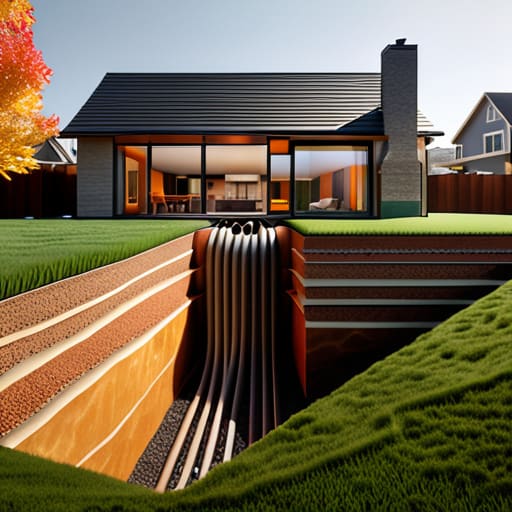
I still remember sitting in my old rental apartment, shivering under three blankets while watching my utility bill climb higher than the temperature inside. It felt like a scam—paying a fortune just to fight a losing battle against the cold. Most people think you need to be a millionaire or live in a high-tech eco-mansion to access serious efficiency, but that’s a lie. People get so lost in the jargon of geothermal heating mechanics that they miss the actual point: it’s about tapping into a constant, free energy source right under your feet to stop flushing money down the drain.
I’m not here to sell you a lifestyle brand or some over-engineered fantasy that requires a PhD to operate. My goal is to strip away the complexity and show you how these systems actually function in a real-world setting. I’ll break down the practical realities of how heat moves from the earth into your living room, without the fluff or the sales pitch. You’re going to walk away knowing exactly how this tech works and, more importantly, whether it’s a smart investment for your specific home and budget.
Table of Contents
Mastering the Geothermal Energy Exchange Process
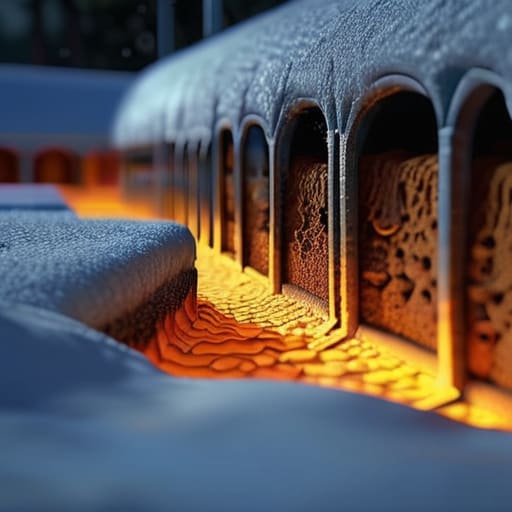
To understand how this actually works in a real home, you have to look at the geothermal energy exchange process as a continuous loop of moving heat rather than creating it. Unlike a furnace that burns fuel to generate warmth, a geothermal system essentially acts as a heat mover. It relies on the fact that even when the air above ground is freezing, the temperature a few feet below the surface stays relatively constant. By tapping into this stable temperature, the system uses a fluid to pull warmth from the earth during the winter and dump excess heat back into the ground during the summer.
The efficiency of this movement depends heavily on your specific setup, specifically the choice between closed-loop vs open-loop systems. In a closed-loop setup—which is what I see most often in residential audits—a continuous loop of high-density polyethylene pipe circulates a heat-transfer fluid. The success of this entire operation hinges on the thermal conductivity of soil in your backyard; if your soil doesn’t transfer heat well, your system has to work much harder to achieve the same results. It’s all about optimizing that subsurface connection to ensure you aren’t fighting against your own landscape.
How the Refrigerant Evaporation Cycle Saves You Money
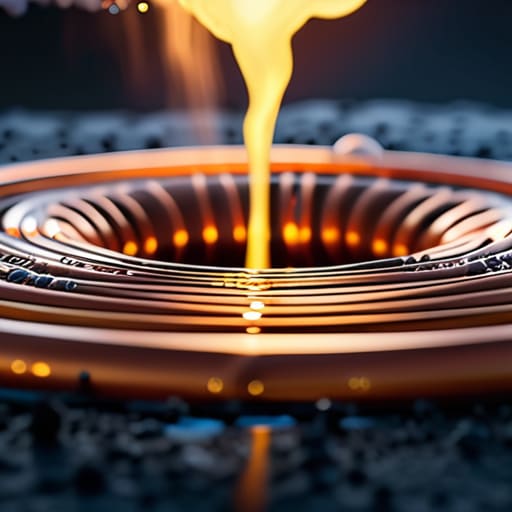
To understand why this tech actually pays off, you have to look at the physics of the refrigerant evaporation cycle. Think of it like a high-tech version of how sweat cools your skin. Inside the unit, a specialized fluid absorbs heat from the ground—even when it’s freezing outside—and turns from a liquid into a gas. This phase change is where the magic happens; it’s the moment the system captures that low-grade warmth from the earth and concentrates it into something usable for your living room.
Because we aren’t burning fuel to create heat, but rather just moving it, the efficiency is insane. Whether you are looking at closed-loop vs open-loop systems, the core principle remains the same: you’re leveraging the constant temperature of the earth to do the heavy lifting. Instead of your furnace fighting an uphill battle against the winter air, the system just pulls from a steady, reliable source. It’s a smarter way to manage your home’s climate without constantly flushing money down the drain every time the temperature drops.
5 Ways to Get the Most Out of Your Geothermal Setup
- Don’t ignore your loop integrity; even a tiny pressure drop in your ground loop means your heat pump is working twice as hard to move half the energy, which is basically just throwing money into the dirt.
- Size your system for your actual footprint, not your “dream home” plans; an oversized heat pump will cycle too frequently, which kills efficiency and puts unnecessary wear on the compressor.
- Keep your indoor air filters spotless, because if your airflow is restricted, the entire thermal exchange process stalls out, forcing the system to struggle against its own mechanics.
- Insulate your heat pump’s distribution lines as heavily as you would your exterior walls; there’s no point in extracting heat from the earth if you’re losing it all through the pipes before it even reaches your living room.
- Monitor your thermostat’s “deadband”—the temperature gap between heating and cooling—to ensure the system isn’t constantly toggling between modes, which is a massive energy drain.
The Bottom Line on Geothermal Efficiency
You aren’t actually “creating” heat; you’re just moving it. By leveraging the constant temperature of the earth, you stop fighting the weather and start using physics to do the heavy lifting.
The real savings happen in the cycle. The way the refrigerant moves heat from the ground into your home is what prevents you from constantly burning through expensive, traditional fuels.
It’s a long-term play for your wallet. While the tech sounds complex, the goal is simple: stop flushing money down the drain on inefficient heating and start investing in a system that works with nature, not against it.
## Efficiency Isn't About Luxury
“Most people think sustainable heating is a luxury reserved for the wealthy, but geothermal mechanics prove otherwise; it’s just about stoping the cycle of fighting against your environment and instead, finally working with it to keep your money in your pocket.”
Tobias Nkemdirim
Making the Switch Count
At the end of the day, geothermal heating isn’t just some complex physics experiment; it’s a practical way to stop fighting against the seasons and start working with them. By understanding how the ground-source exchange works and how the refrigerant cycle pulls heat from the earth, you can see that this isn’t just about “going green.” It’s about reclaiming control over your monthly expenses. Instead of paying for inefficient combustion or high-voltage electric resistance, you’re leveraging a constant, natural thermal reservoir to keep your space comfortable. It’s a shift from wasting energy to managing it intelligently through smart mechanics.
I know the upfront costs can feel intimidating—I’ve stood in drafty apartments myself, staring at utility bills that felt like a punishment. But when you look at the long-term data, the math starts to change. Investing in geothermal is one of the most effective ways to decouple your comfort from the volatility of fossil fuel prices. You don’t need to be a millionaire to start thinking this way; you just need to start prioritizing efficiency over convenience. Let’s stop throwing money into the air and start building homes that actually respect both our wallets and the planet.
Frequently Asked Questions
Is the upfront cost of installing a geothermal loop actually worth it if I'm on a tight budget?
Look, I get it. The sticker shock on a geothermal install is real, and when you’re watching every cent, it feels impossible. If you’re looking for immediate relief next month, this isn’t it. But if you’re playing the long game, it’s a different story. Between the massive drop in monthly utility bills and the available tax credits, the system eventually pays for itself. It’s an investment in stopping the slow leak of cash from your bank account.
How much maintenance should I expect to do compared to a standard gas or electric furnace?
Honestly, it’s a relief. If you’re coming from a standard gas or electric furnace, you’re going to love this. Since the heavy lifting happens underground in a sealed loop, there’s far less mechanical wear and tear in your living space. You’ll still need to swap filters and check the heat pump regularly, but you aren’t dealing with constant combustion or messy fuel deliveries. It’s much more “set it and forget it” than a gas furnace.
Will a geothermal system actually work in my specific climate, or is it only efficient in certain regions?
I get this question a lot when I’m out on audits. The short answer? Yes, it’ll work almost anywhere. Unlike air-source heat pumps that struggle when the temperature drops below freezing, geothermal taps into the earth’s constant temperature. Whether you’re in a humid coastal area or a place where the ground freezes solid, that subterranean warmth stays stable. You aren’t fighting the weather; you’re bypassing it entirely to keep your costs predictable.
