
I still remember sitting in my old rental apartment, staring at a utility bill that felt like a personal attack. It was mid-January, the place was freezing, and I was terrified to turn on the heater because I knew exactly when those expensive peak rates kicked in. Most “experts” will tell you that managing energy peaks requires a massive investment in smart home ecosystems or high-end solar arrays that most of us simply can’t afford. They make it sound like a luxury problem for people with huge budgets, but that’s total nonsense.
I’m not here to sell you on expensive gadgets or complicated tech that requires a PhD to operate. Instead, I’m going to show you how to actually take control of your consumption without breaking the bank. I’ll be sharing the same practical, data-driven tactics I use during my home audits to shave costs off those heavy-hitting hours. My goal is to give you a realistic roadmap for lowering your bills through small, smart shifts in your daily routine, proving that you don’t need to be rich to live a more sustainable, efficient life.
Table of Contents
Decoding Your Energy Consumption Patterns to Save Money
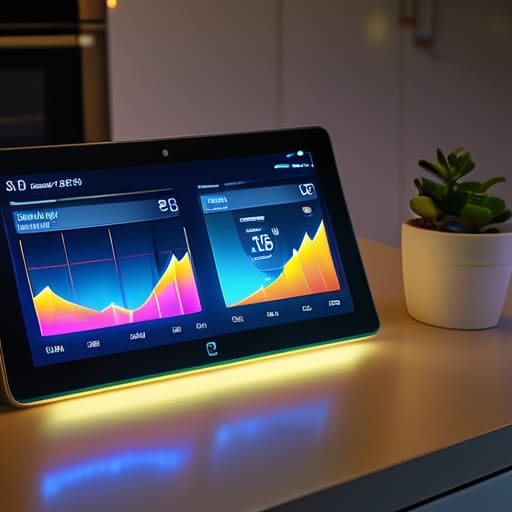
Most people treat their electricity bill like a mystery novel—they see the final number at the end of the month and just shrug, wondering where the money went. But if you want to actually stop the bleeding, you have to stop guessing and start looking at your energy consumption patterns. I always tell my clients that you can’t fix what you haven’t measured. I usually pull up my utility’s usage dashboard to see exactly when those spikes happen. Is it that 6:00 PM rush when everyone turns on the oven and the AC simultaneously? Or is it a slow, steady creep throughout the evening? Identifying these specific windows is the first step toward taking control of your wallet.
Once you spot those spikes, you’ll start to see how your habits interact with the broader grid. When everyone hits the power at once, it puts massive pressure on grid stability and peak demand, which is exactly why utility companies jack up the rates during those hours. Instead of just reacting to high bills, you can start implementing simple demand side management strategies. This might mean running your dishwasher at midnight or shifting your laundry to the morning. It’s about being intentional with your timing so you aren’t paying a premium for convenience.
Reducing Peak Load Impact With Simple Daily Habits

You don’t need a massive solar array or a high-tech home automation system to start reducing peak load impact. Most of the time, it’s about timing. I see it all the time during my audits: people running their dishwashers, dryers, and ovens all between 5:00 PM and 9:00 PM. That’s exactly when the grid is under the most stress. Instead of fighting the system, just shift your heavy lifting. Try running that laundry cycle in the morning or late at night when demand drops. It’s a small mental shift, but it makes a massive difference in how much you’re actually being charged.
If you want to get a bit more intentional, look into simple demand side management strategies that don’t break the bank. For instance, pre-cooling your home an hour before the evening rush starts can take the edge off your AC usage later. It’s not about living in the dark; it’s about being smart with when you pull power. By smoothing out your usage, you aren’t just saving a few bucks—you’re actually helping maintain grid stability and peak demand balance.
Five Low-Effort Moves to Cut Your Peak-Hour Costs
- Stop running the heavy hitters during the rush. Things like dishwashers, washing machines, and dryers are absolute energy hogs; if you can, set them to run late at night or early in the morning when the grid isn’t screaming for power.
- Master the “thermal buffer” trick. Instead of blasting the AC or heater right when the sun goes down and rates spike, try pre-cooling or pre-heating your space an hour before the peak period hits. You’re essentially using your home’s temperature as a battery.
- Audit your “vampire” loads with a bit of scrutiny. I always carry my infrared thermometer to find heat leaks, but I also look for those little glowing standby lights on electronics. If it’s plugged in and not being used, unplug it—don’t let it bleed money while you sleep.
- Swap out your old-school bulbs for LEDs immediately. It sounds basic, but if you’re still running old incandescent bulbs, you’re basically paying for a tiny space heater that happens to give off light. It’s a waste of wattage that adds up fast.
- Be smarter about your water heater. It’s one of the biggest energy consumers in most homes. If you can turn the temperature down a few degrees or use a timer to ensure it isn’t working overtime when you’re at work, you’ll see that impact on your bill almost instantly.
The Bottom Line: How to Stop Paying the "Convenience Tax"
Stop treating your energy use like a constant stream; learn to shift heavy tasks—like laundry or dishwashing—away from those expensive peak windows to keep your bills from spiking.
Use data, not guesswork, by checking your utility’s peak hours and your own usage patterns to identify exactly when you’re leaking money.
Small, intentional shifts in your daily routine are more effective than expensive tech upgrades when it comes to flattening your load and lowering your monthly costs.
The Hidden Cost of Convenience
“Most people don’t realize they’re essentially paying a ‘laziness tax’ every time they run heavy appliances during peak hours; managing your energy peaks isn’t about living in the dark, it’s about being smart enough to stop throwing money at the grid when it’s at its most expensive.”
Tobias Nkemdirim
Cutting Through the Noise
At the end of the day, managing energy peaks isn’t about living in the dark or making massive, expensive renovations. It’s about being intentional. We’ve looked at how tracking your consumption patterns can reveal exactly where your money is bleeding out, and how shifting simple habits—like delaying a heavy laundry load or adjusting your thermostat by just a couple of degrees—can make a massive difference. It’s really just a game of strategic timing. When you stop fighting the grid and start working with it, you stop being a victim of those high-cost peak windows and start taking control of your utility bills.
I know it can feel overwhelming, especially when you’re just trying to get through a busy week. But I promise you, sustainability shouldn’t be a luxury reserved for people with massive solar arrays and smart-home budgets. It’s found in the small, pragmatic shifts we make every single day. Every time you choose to run your dishwasher during an off-peak hour, you’re doing two things: you’re keeping more cash in your pocket and you’re reducing the strain on our aging infrastructure. Let’s stop letting convenience dictate our costs. Small changes actually add up.
Frequently Asked Questions
Does shifting my heavy appliance use to off-peak hours actually make a noticeable difference on my monthly bill, or is the saving too small to bother with?
It’s definitely not too small to bother with. I’ve audited enough homes to know that if you’re running a dishwasher, dryer, or even an electric oven during peak hours, you’re essentially paying a premium for the privilege of wasting money. Shifting those heavy hitters to off-peak times can shave a significant chunk off your monthly bill. It’s one of those low-effort, high-reward moves that actually moves the needle on your expenses.
Are there specific smart home gadgets you'd recommend that can automate this process so I don't have to manually track peak hours every day?
Honestly, you shouldn’t have to live your life by a utility schedule. I’m all about using tech to do the heavy lifting. I’d start with smart plugs for your high-draw appliances—things like coffee makers or space heaters—so you can schedule them outside peak windows via an app. A smart thermostat is also a non-negotiable; it’ll automatically nudge your heating or cooling down when rates spike, saving you money without you even thinking about it.
If I live in a rental and can't change my major appliances, what are the most effective "low-effort" ways to dodge those high-cost windows?
Since you can’t swap out the fridge or the HVAC, you have to play the timing game. It’s all about shifting your “heavy hitters.” Run your dishwasher or laundry during off-peak hours—usually late at night or mid-morning—so you aren’t pulling power when rates spike. Also, grab a few heavy blackout curtains; they’re a renter’s best friend for keeping heat in or out without touching the thermostat. Small shifts, big savings.
