I remember standing in my old rental’s tiny bathroom, staring at the drain after a quick shower and feeling a massive sense of guilt. It felt like I was watching money—and perfectly usable water—literally swirl down the pipes for no reason. Most people think gray water recycling requires some high-tech, expensive plumbing overhaul that only a mansion could afford, but that’s just nonsense. You don’t need a massive budget or a degree in civil engineering to stop wasting the resources you’ve already paid for; you just need to stop letting “convenience” dictate your utility bills.
In this guide, I’m stripping away the complex jargon and the overpriced equipment sales pitches. I’m going to show you the practical, low-cost ways to repurpose your sink and shower water for your garden or toilets without turning your home into a science experiment. My goal is to give you a realistic roadmap for making your home more efficient, one bucket or simple diversion at a time. We’re focusing on smart, small changes that actually work for real people living in real homes.
Table of Contents
Gray Water vs Black Water Knowing the Difference
Before you start setting up any DIY collection buckets, you need to get one thing straight: not all wastewater is created equal. If you mix them up, you’re not just wasting time; you’re creating a massive hygiene hazard. The simplest way to look at gray water vs black water is to follow the source. Gray water comes from your sinks, showers, and washing machines. It’s relatively clean, though it does contain traces of soap or hair. Black water, on the other hand, is the stuff coming from your toilets. It’s full of pathogens and bacteria, making it a total no-go for any home reuse project.
When I’m auditing a site, I always tell people that the goal is reducing your domestic water footprint without turning your backyard into a biohazard. You can safely use gray water for things like irrigation, but you have to be smart about it. For instance, if you’re looking into safe gray water reuse for plants, you need to ensure you aren’t using heavy chemicals or bleach in your laundry. Keep it simple, keep it clean, and always keep the “black” stuff strictly for the sewer.
Reducing Domestic Water Footprint on a Budget
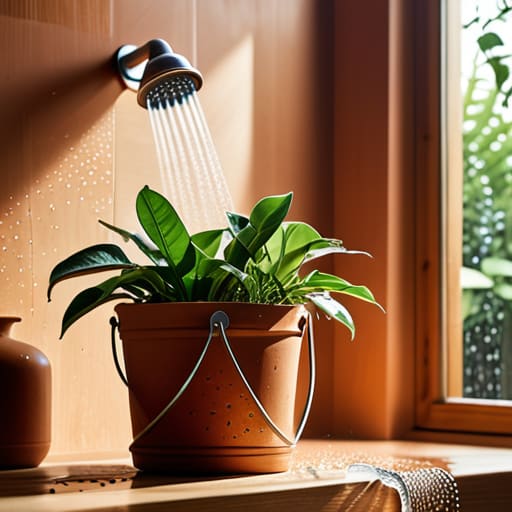
Look, I get it. When people hear about “residential water reclamation systems,” they immediately picture some high-tech, expensive setup installed by a contractor. But if you’re living in a rental or working with a tight budget, you don’t need a complex overhaul to start reducing domestic water footprint. Most of the impact comes from the low-tech stuff. I always tell my clients to start with the “bucket method” in the shower. While you’re waiting for the water to warm up, catch that initial cold run in a bucket. It’s free, it’s simple, and that water is perfect for your houseplants or flushing the toilet later.
If you have a small outdoor space, you can also look into safe gray water reuse for plants. Instead of letting your vegetable garden soak up treated tap water, use the leftover water from rinsing veggies or boiling pasta (just let it cool first, obviously). It’s a small shift, but reusing household wastewater this way turns a “waste” product into a resource. You’re essentially bypassing the utility company for your non-potable needs, which is one of the smartest ways to keep your monthly overhead low.
5 Low-Cost Ways to Start Recycling Gray Water Today
- Keep it simple with a bucket in the shower. While you’re waiting for the water to warm up, catch that initial cold rinse in a bucket. It’s free, easy water you can use immediately for your houseplants or to flush the toilet.
- Swap your laundry detergent for something biocompatible. If you’re planning to reuse sink or washing machine water for your garden, you need to ditch the harsh chemicals and phosphates. Stick to plant-safe, biodegradable soaps so you aren’t accidentally poisoning your soil.
- Set up a basic gravity-fed system for your laundry. You don’t need a high-tech filtration unit; just routing your washing machine’s discharge hose into a large drum can give you a massive reservoir of water for outdoor cleaning or irrigation.
- Use your kitchen rinse water for the garden. Instead of letting the water from washing vegetables or rinsing grains go straight down the drain, collect it in a basin. It’s nutrient-rich and much better for your plants than treated tap water.
- Focus on “point-of-use” collection. Don’t try to overhaul your entire plumbing system—that’s expensive and unnecessary. Just focus on the high-volume areas like the bathroom sink or the laundry room to get the biggest bang for your buck without a massive upfront investment.
The Bottom Line on Gray Water
You don’t need a complex, expensive plumbing overhaul to start saving; even simple methods like collecting shower water in a bucket can make a dent in your utility bills.
Always keep a strict line between gray water and black water to ensure you aren’t accidentally introducing bacteria into your garden or home systems.
Think of water recycling as a long-term efficiency play—it’s about making small, smart shifts in how you use resources so you stop paying for water you’ve already used once.
Rethinking What We Call "Waste"
“We’ve been conditioned to think that once water goes down the drain, its job is done—but that’s just leaving money on the table. Gray water isn’t waste; it’s a resource that’s just waiting for a second chance to be useful.”
Tobias Nkemdirim
Making Every Drop Count
At the end of the day, gray water recycling isn’t about installing a high-tech, expensive filtration system that requires a degree to operate. It’s about understanding the difference between what we actually need to treat and what we can simply repurpose. Whether you’re collecting shower runoff to water your garden or finding ways to divert laundry water for your toilet flush, these small shifts add up. I’ve seen firsthand how these tiny adjustments can significantly lower a monthly utility bill while simultaneously cutting down on the sheer volume of fresh water we pull from the grid. It’s a practical way to stop treating every single drop of water like it’s a precious, one-time-use resource.
I know it can feel overwhelming to think about changing your entire lifestyle for the sake of the planet, but sustainability doesn’t have to be an all-or-nothing game. You don’t need to live off the grid to make a difference; you just need to be a bit more intentional with what you’re already using. We have to stop accepting waste just because it’s the convenient way to live. By reclaiming your gray water, you’re taking a stand against inefficiency and proving that a sustainable home is accessible to everyone, regardless of their budget. Let’s start treating our resources with the respect they actually deserve.
Frequently Asked Questions
Is it actually safe to use gray water on my vegetable garden, or am I risking contamination?
Look, I get the hesitation. I’ve been there, staring at a bucket of sink water wondering if I’m about to poison my kale. Here’s the data-driven reality: it’s safe if you’re smart about it. Avoid using water with heavy bleach or harsh chemicals. Ideally, use it on the soil around your veggies rather than spraying it directly onto the leaves. As long as you’re mindful of what’s in your soap, you’re good to go.
How much work is it really to set up a DIY filtration system compared to just using the tap?
Look, I’ll be straight with you: it’s more work than turning a tap, but it’s not rocket science. If you’re just diverting shower water to water your plants, you can set up a basic gravity-fed bucket system in an afternoon. But if you want something more permanent with actual filtration, you’re looking at a weekend project involving sand, gravel, and some plumbing tweaks. It’s an upfront time investment, but once it’s running, the savings start hitting your bills immediately.
Are there specific soaps or detergents I need to ditch to make sure my recycled water doesn't ruin my plants?
This is where most people trip up. If you’re reusing water for your garden, you have to ditch anything with boron, salts, or heavy fragrances. I always tell my clients to check labels for sodium and chlorine; they’ll eventually kill your soil’s microbiome. Stick to biodegradable, plant-safe soaps—the kind that are phosphate-free. It’s a small switch, but it ensures you’re actually nourishing your plants rather than accidentally poisoning them with your laundry runoff.
