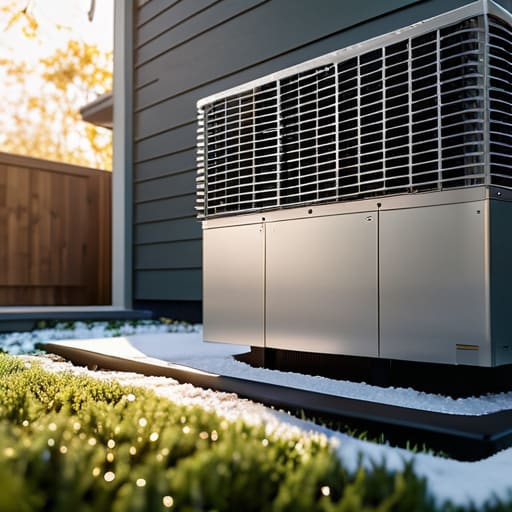
I remember sitting in my old rental apartment last February, shivering under three blankets while staring at a utility bill that made absolutely no sense. I had just installed a new heating unit, thinking more power meant more warmth, but all I actually got was a massive bill and a room that still felt drafty. The biggest mistake I see people making today is assuming that “bigger is better” when it comes to heat pump sizing. Contractors love to pitch you an oversized unit because it’s an easy way to pad their margins, but an oversized system is actually a recipe for disaster—it cycles on and off too fast, kills your efficiency, and leaves your home feeling clammy instead of cozy.
I’m not here to sell you on some high-tech, overpriced magic box; I’m here to give you the data you actually need. In this guide, I’m going to break down how to approach heat pump sizing without getting ripped off by hype or jargon. We’ll look at the real math behind your home’s thermal needs so you can invest in a system that actually works for your budget and your footprint.
Table of Contents
- Why the Manual J Calculation Method Saves Your Wallet
- Understanding Btu Requirements for Home Heating Without Overspending
- 5 Ways to Make Sure You Don't Get Burned by a Bad Installation
- The Bottom Line on Getting Your Sizing Right
- ## The Cost of Guesswork
- Getting It Right the First Time
- Frequently Asked Questions
Why the Manual J Calculation Method Saves Your Wallet

Most HVAC contractors love to eyeball a job. They walk into your living room, look at the square footage, and say, “Yeah, you need a three-ton unit.” It’s fast, it’s easy, and it’s usually wrong. This “rule of thumb” approach ignores the reality of your specific space. They aren’t accounting for your windows, your ceiling height, or how much heat is actually escaping through your walls. This is where the Manual J calculation method becomes your best friend. Instead of guessing, it uses a rigorous data-driven process to determine exactly what your home needs to stay comfortable.
When you skip this step, you’re basically gambling with your bank account. If the unit is too large, it will “short cycle”—turning on and off constantly—which kills your heat pump efficiency and capacity and drives up your electric bill. If it’s too small, you’ll be shivering through every cold snap. By performing a proper insulation and heat loss analysis, you ensure you’re buying a system that matches your home’s actual BTU requirements, not just a generic estimate. It’s the difference between a system that works with your home and one that just fights against it.
Understanding Btu Requirements for Home Heating Without Overspending
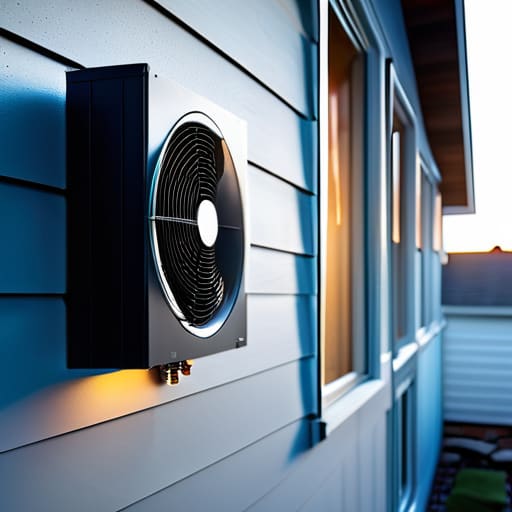
When you start looking into BTU requirements for home heating, it’s easy to get lost in a sea of numbers. Most people think more is better—that a massive unit will just blast heat and solve everything. But that’s a trap. If you over-spec your system, it’ll “short cycle,” meaning it turns on and off constantly. This doesn’t just kill your comfort; it destroys your heat pump efficiency and capacity by forcing the motor to work harder than it needs to. You end up paying for a premium system that’s actually performing worse than a smaller, correctly matched one.
To get this right, you have to look beyond just the square footage of your living room. I always tell my clients that a real assessment requires an insulation and heat loss analysis of the entire building envelope. You need to account for how much heat is escaping through your windows versus how much your walls are actually holding in. It’s about finding that sweet spot where the system provides steady, consistent warmth without the constant, expensive cycling that eats your budget alive.
5 Ways to Make Sure You Don't Get Burned by a Bad Installation
- Demand a Manual J calculation from your contractor; if they try to tell you they can “just eyeball it” based on square footage, they’re setting you up for a massive utility bill.
- Check your home’s insulation levels before picking a unit, because trying to heat a leaky house with a high-end heat pump is like trying to fill a bucket with holes in it.
- Don’t get sucked into the “bigger is better” trap; an oversized unit will constantly cycle on and off, which kills the efficiency and wears out the compressor way faster than it should.
- Factor in your local climate extremes, not just the average temperature, to ensure the unit can actually handle those bitter January mornings without breaking a sweat.
- Map out your home’s specific layout and window types, because a single large bay window can change your heating needs more than an entire extra room would.
The Bottom Line on Getting Your Sizing Right
Stop guessing based on square footage; a massive unit might seem like a “safe” bet, but an oversized heat pump will cycle too often, killing your efficiency and spiking your bills.
Insist on a Manual J calculation from your contractor—it’s the only way to account for your actual insulation, windows, and local climate instead of just eyeballing the job.
Remember that precision is cheaper than power; getting the BTU requirements right from day one prevents the expensive cycle of replacing equipment that either can’t keep up or wastes energy by overworking.
## The Cost of Guesswork
“I’ve walked into too many homes where the owner is paying a premium for a massive heat pump that’s actually working against them; if the unit is oversized, it’ll constantly cycle on and off, killing your efficiency and your bank account just to avoid a little bit of math upfront.”
Tobias Nkemdirim
Getting It Right the First Time
At the end of the day, sizing your heat pump isn’t about picking the biggest unit on the showroom floor; it’s about precision. We’ve talked about why you need to push for a Manual J calculation and why understanding your actual BTU requirements is the only way to avoid the dreaded cycle of short-cycling. If you undersize, you’ll be shivering in a house that can’t keep up; if you oversize, you’re essentially throwing money out the window through inefficient operation and unnecessary wear on the system. Don’t let a contractor skip the math just to save themselves time. Get the data right, and you’ll ensure your investment actually delivers the comfort and savings you’re paying for.
Transitioning to more sustainable home heating can feel overwhelming, especially when you’re trying to balance a tight budget with environmental goals. But remember, efficiency isn’t a luxury reserved for people with massive bank accounts—it’s a strategy. By taking the time to get your sizing correct now, you are making a smart, long-term decision for both your wallet and the planet. You don’t need a perfect, high-tech mansion to make a difference; you just need a system that actually fits your life. Let’s stop settling for “good enough” and start aiming for efficiency that actually works.
Frequently Asked Questions
Can I just use an online BTU calculator, or is that actually going to mess up my efficiency?
Look, I get the temptation. When you’re staring at a massive quote, a quick Google calculator feels like a lifeline. But honestly? Don’t do it. Those online tools are way too generic; they don’t know if your windows are single-pane or if your insulation is non-existent. Using a “guess-timate” is how you end up with an oversized unit that cycles on and off constantly, killing your efficiency and your wallet. Stick to the real math.
If I live in an older, drafty house, should I size up to compensate for the heat loss?
This is a classic trap. It feels intuitive to think, “My house is drafty, so I need a bigger heater,” but that’s exactly how you end up wasting money. If you oversize, the unit will “short cycle”—turning on and off constantly. This kills efficiency and wears out the compressor. Instead of buying a bigger pump to fight the drafts, fix the leaks first. Seal the windows and insulate the attic; make the house easier to heat, not harder.
Is it better to go slightly oversized to handle extreme cold snaps, or will that just lead to constant short-cycling?
Go with the smaller, correctly sized unit. I’ve seen too many people think “bigger is better” for those random polar vortexes, but that’s a trap. An oversized pump will short-cycle, meaning it constantly kicks on and off. That doesn’t just kill your efficiency; it wears out the compressor way faster. It’s better to have a unit that runs steadily and efficiently, even if you have to throw on a heavy sweater during a freak cold snap.
