I still remember sitting in my old rental apartment three years ago, shivering under three layers of blankets while watching my utility bill climb higher than it had any right to. I’d spent the whole evening trying to figure out if a heat pump installation was actually a viable way to stop the bleeding, or if it was just another expensive “green” trend designed to separate people from their hard-earned cash. Most people will tell you it’s a seamless, magical transition to sustainability, but let’s be real: the upfront costs and the technical jargon can feel completely overwhelming if you aren’t an engineer.
I’m not here to sell you on a lifestyle miracle or some high-end eco-luxury fantasy. My goal is to strip away the marketing fluff and give you the actual, data-driven reality of what it takes to get this done. I’m going to walk you through the practical side of heat pump installation—from the initial audit to the final efficiency check—so you can decide if it actually makes sense for your budget. We’re going to focus on smart, incremental changes that keep your home warm without draining your bank account.
Table of Contents
Heat Pump vs Gas Boiler Choosing Smarter Over Easier
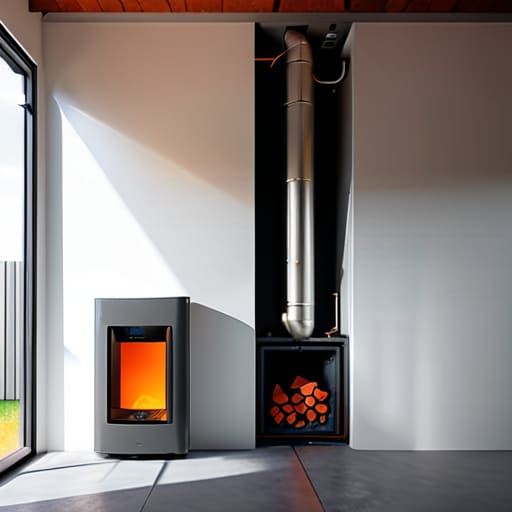
When I was auditing my first rental unit, the tenant was convinced their gas boiler was the only way to go because it was “simple.” But “simple” is often just code for “expensive and outdated.” When you look at the heat pump vs gas boiler debate, it really comes down to how you view your long-term costs. A gas boiler burns fuel to create heat, which is inherently wasteful. A heat pump, however, moves existing heat from the outside air into your home. This difference in mechanics is why air source heat pump efficiency is so much higher; you’re getting way more warmth out of every unit of electricity you pay for.
Choosing between them isn’t just about the upfront cost, though. While a boiler might seem easier to swap in, it keeps you tethered to fluctuating fossil fuel prices. Moving toward renewable energy heating solutions means you’re taking control of your energy future. It’s about shifting from a system that constantly burns cash to one that works with the environment rather than against it. It might require a bit more thought during the initial setup, but the payoff in lower monthly bills is where the real win is.
Air Source Heat Pump Efficiency That Actually Saves You Cash
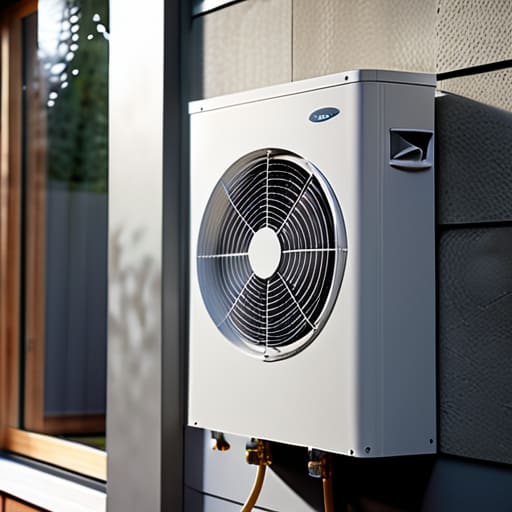
When I’m walking through a client’s house with my infrared thermometer, I’m usually looking for where they’re losing heat. But with an air source heat pump, the conversation shifts from “how do we stop the leak” to “how much energy are we actually moving?” The real magic lies in the air source heat pump efficiency ratings. Unlike a gas boiler that creates heat by burning fuel, a heat pump moves existing heat from the outside air into your home. Because it’s moving energy rather than generating it from scratch, you get a massive return on your investment.
To actually see those savings on your monthly statement, you can’t just slap a unit on a wall and hope for the best. You have to look at the whole picture of energy efficient home heating systems. This means ensuring your home is well-insulated so the pump isn’t working overtime to fight drafts. If your house is a sieve, even the best tech won’t save you money. It’s about pairing the right hardware with a space that’s actually ready to hold onto that warmth.
5 Things I Check Before Pulling the Trigger on a Heat Pump
- Get your home’s envelope sorted first. I’ve seen people spend thousands on a high-end heat pump only to watch the money leak straight out of drafty windows and poorly insulated walls. If your house isn’t airtight, your new system will be working twice as hard as it needs to.
- Don’t skip the professional heat loss calculation. I always carry my infrared thermometer to spot leaks, but an installer needs to go deeper with a formal room-by-room audit. If they just guess the size of the unit based on your old boiler, you’ll either end up with a system that’s too weak or one that constantly cycles on and off, killing its efficiency.
- Plan for your electrical capacity. Moving from gas to electric isn’t always a “plug and play” situation. You might need an upgrade to your consumer unit or a thicker cable run to handle the extra load, so factor those unexpected electrical costs into your initial budget.
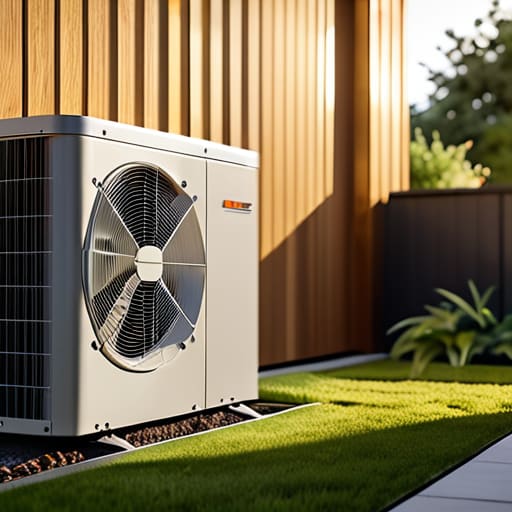
- Position the outdoor unit strategically. It’s not just about where it looks good; it’s about airflow. If you tuck it into a tight, shaded corner with no breeze, the efficiency takes a massive hit. You want it in a spot where it can breathe freely to pull in that ambient heat.
- Think about your radiator sizing. Heat pumps run at lower flow temperatures than gas boilers, which means they move heat more gently. If your current radiators are too small, they won’t be able to spread that gentler heat effectively, and you’ll find yourself constantly cranking the thermostat to stay warm.
The Bottom Line on Making the Switch
Don’t just look at the upfront cost; the real win is the long-term shift from volatile gas prices to a much more stable, efficient electric system.
Efficiency isn’t magic—it’s math. An air source heat pump only pays off if your home isn’t leaking heat through old windows or poor insulation.
Choosing a heat pump isn’t just about being “green”; it’s a practical move to stop overpaying for outdated heating tech that wastes energy by design.
## The Real Cost of Doing Nothing
“We often obsess over the upfront price tag of a heat pump installation, but we rarely talk about the silent tax we pay every single month by sticking to outdated, inefficient systems. Investing in a heat pump isn’t just a ‘green’ move; it’s a strategic decision to stop leaking money through your heating system.”
Tobias Nkemdirim
Making the Move
At the end of the day, deciding on a heat pump installation isn’t just about swapping out an old, clunky gas boiler for something newer. It’s about recognizing the math: comparing the long-term efficiency of air source technology against the rising, unpredictable costs of fossil fuels. We’ve looked at how these systems outperform traditional heating and why prioritizing efficiency is the most effective way to stabilize your monthly utility budget. While the upfront cost can feel like a hurdle, the data shows that moving away from gas is a strategic play for both your wallet and your home’s overall performance. Don’t let the complexity of the tech intimidate you; focus on the long-term savings and the reduced carbon footprint that comes with it.
I know it can feel overwhelming to overhaul how your home breathes, especially when you’re trying to balance a budget. But I promise you, living in a home that is both comfortable and sustainable shouldn’t be a luxury reserved for the wealthy. Every bit of heat we stop wasting is a win. By making this shift, you aren’t just upgrading an appliance; you are taking control of your energy independence. Stop letting your money leak out through old, inefficient systems. Start building a home that works for you, without costing the earth.
Frequently Asked Questions
How much will my monthly electricity bill actually jump once I switch from gas to an air source heat pump?
Here’s the reality: your electricity bill will go up, but that’s only half the story. If you just swap a gas boiler for a heat pump without looking at the rest of your house, you’ll feel the sting. But because heat pumps are incredibly efficient at moving heat rather than creating it, that jump is usually offset by the fact that you’re no longer paying for gas. It’s about the total energy spend, not just one line item.
Do I need to upgrade my existing radiators or insulation before the installation is even worth it?
Short answer? Yes. If you slap a heat pump onto a leaky house, you’re just trying to heat the neighborhood. I’ve seen it happen too many times during audits. Before you drop the cash on the unit, fix your insulation and check your radiators. Heat pumps work best at lower, steady temperatures; if your radiators are too small to spread that heat, the system will struggle and your bills will spike. Fix the envelope first.
Is it worth the upfront cost if I'm planning on moving out of my current place in a few years?
Honestly? If you’re moving in two years, it’s a tough sell. Heat pumps have a high entry cost, and you likely won’t see the full ROI through energy savings before you leave. However, if you’re selling the property, you’re not just selling a heater; you’re selling a modern, low-carbon asset. A well-installed system can bump your home’s value and appeal to eco-conscious buyers, potentially making that upfront sting worth it.
