
I remember sitting in my old rental apartment three years ago, shivering under three blankets while staring at a utility bill that felt like a personal insult. The power flickered during a storm, and I realized how incredibly vulnerable we are when we rely solely on a grid that feels increasingly unstable and expensive. Most people think home energy storage is some futuristic luxury reserved for tech billionaires or off-grid mansions, but that’s a total myth. You don’t need a massive inheritance to take control of your power; you just need to stop letting your hard-earned money leak out of your electrical panel like heat through a cracked window.
I’m not here to sell you on flashy, overpriced gadgets that look good in a brochure but fail in a real-world audit. My goal is to give you the straightforward truth about how to actually implement home energy storage without breaking your budget. I’ll walk you through the practical side of battery systems, the real math behind the ROI, and how to choose tech that actually lasts. We’re going to focus on smart, scalable solutions that keep your lights on and your costs down, because sustainability shouldn’t be a luxury.
Table of Contents
- Smart Solar Battery Backup Systems That Save Money
- Maximizing Battery Lifecycle and Efficiency Without Breaking the Bank
- 5 Ways to Get the Most Out of Your Battery Without Getting Ripped Off
- The Bottom Line on Investing in Storage
- The Real Value of a Battery
- Making the Switch Count
- Frequently Asked Questions
Smart Solar Battery Backup Systems That Save Money

When I’m auditing a house, I usually see people paying a premium for power they don’t even need. Most homeowners are essentially at the mercy of the grid, buying electricity when it’s most expensive. This is where solar battery backup systems change the math. Instead of letting your excess solar production bleed back into the grid for pennies, a smart battery captures that energy. You can then deploy it during “peak hours”—those expensive windows when utility companies jack up their rates. It’s not just about having a backup for when the lights go out; it’s about strategic energy arbitrage.
The real game-changer, though, is looking into residential energy storage solutions that offer smart grid integration. These systems don’t just sit there; they communicate. They can sense when the grid is stressed or when prices are spiking and automatically switch your home over to battery power. I always tell my clients to look closely at the battery lifecycle and efficiency before buying. You want a system that doesn’t just hold a charge, but manages it intelligently so you aren’t replacing the unit in five years. It’s a long-term play for your wallet and the planet.
Maximizing Battery Lifecycle and Efficiency Without Breaking the Bank
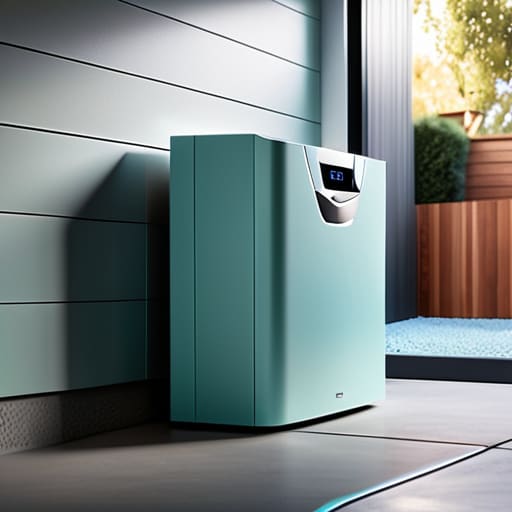
Look, I’ve seen too many people treat their battery setup like a “set it and forget it” gadget, only to realize three years later that their capacity has tanked. If you want to actually protect your investment, you have to manage how you discharge it. One of the biggest mistakes I see during audits is people running their systems down to a 0% state of charge every single night. Most modern residential energy storage solutions thrive when you keep them in the “sweet spot”—usually between 20% and 80%. By avoiding those deep discharge cycles, you’re significantly extending the battery lifecycle and efficiency without spending an extra dime on hardware.
Temperature is another silent killer. I always bring my infrared thermometer to sites because I’ve seen how much a poorly ventilated garage can cook a battery’s lifespan. Heat is the enemy of lithium-ion chemistry. If you can, keep your system in a climate-controlled space or at least a well-ventilated area. It’s a small, practical tweak, but managing your thermal environment is much cheaper than replacing a dead module prematurely.
5 Ways to Get the Most Out of Your Battery Without Getting Ripped Off
- Size your system for your actual usage, not your future dreams. I see people overspending on massive battery banks they’ll never fully cycle through; it’s better to start with a modest capacity that covers your essential loads—like your fridge and router—and scale up only when your data shows you actually need it.
- Time your heavy lifting for when the sun is highest. If you have solar, don’t run the dishwasher or the dryer at 8 PM using expensive battery power; use that stored energy for your nighttime essentials and let your solar panels do the heavy lifting during the day to keep the battery topped up for free.
- Keep an eye on your depth of discharge. Most people think they should drain their battery to zero every night, but that’s a fast track to killing your investment. Keeping your discharge within a healthy range—usually around 20% to 80%—is the sweet spot for making your hardware last years longer.
- Monitor your temperature, because heat is the silent killer of efficiency. I always check the ambient temperature around my gear; if your battery is tucked in a boiling hot garage or a freezing basement, you’re losing energy just trying to keep the cells stable.
- Use smart monitoring apps to spot “phantom” drains. If you see your battery levels dropping faster than they should during the night, you likely have a rogue appliance or a standby device sucking power. You can’t fix a leak you can’t see, so use the data to hunt down those energy vampires.
The Bottom Line on Investing in Storage
Don’t buy a battery just for the tech; buy it to shift your usage away from peak pricing hours when the grid gets expensive.
Longevity is more important than initial cost—prioritize high-cycle life chemistry so you aren’t replacing your investment in five years.
Real sustainability comes from integration, meaning your storage should work in tandem with your solar setup to ensure you’re actually using the energy you produce.
The Real Value of a Battery
“A home battery isn’t just a luxury gadget for tech enthusiasts; it’s a tool for independence. It’s about taking control of your meter so you aren’t just a passive consumer paying whatever the grid demands, but an active participant in how—and when—you use your power.”
Tobias Nkemdirim
Making the Switch Count
At the end of the day, home energy storage isn’t just about having a backup for when the grid fails; it’s about taking control of your own consumption. We’ve looked at how selecting the right smart battery system can slash your utility bills and how managing your battery’s lifecycle properly ensures you aren’t just throwing money down a drain. It’s a combination of smart hardware and intentional habits. If you invest in systems that actually work with your solar setup rather than against it, you stop being a passive consumer and start becoming an active participant in your home’s efficiency. It’s about making sure every kilowatt you generate or buy is used with maximum precision.
I know that looking at the upfront costs of battery tech can feel overwhelming, especially when you’re just trying to make ends meet. But I promise you, the goal isn’t to buy the most expensive gadget on the market—it’s to build a home that is resilient and sustainable for the long haul. We don’t need massive, sweeping overhauls to make a difference; we just need to stop the leaks, both in our walls and in our energy budgets. Start small, stay data-driven, and remember that sustainability shouldn’t be a luxury reserved for the wealthy. Every bit of energy you save is a win for your wallet and a win for the planet.
Frequently Asked Questions
Is it actually worth the upfront cost to get a battery, or am I better off just focusing on better insulation first?
Look, if you’re choosing between the two, insulation wins every single time. I’ve seen too many people drop thousands on a battery only to realize they’re still heating the outdoors through drafty windows. Insulation is a passive, one-time fix that lowers your baseline demand. Get your thermal envelope sorted first. Once you’ve stopped the leaks, then you can invest in a battery to manage the energy you’re actually using.
How much maintenance do these systems actually need to keep them running efficiently over the years?
Honestly, you don’t need to be a technician to manage these, but you can’t just “set it and forget it.” Most modern lithium systems are pretty low-maintenance, but I always tell my clients to keep an eye on the software updates and the physical environment. Keep the unit in a cool, dry spot—heat is the silent killer of battery life. A quick visual check for dust or debris every few months is usually all it takes to keep things running smooth.
Can I integrate a battery system into my current setup without having to overhaul my entire electrical panel?
The short answer is yes, but it depends on your current setup. You don’t always need a full panel overhaul. Many modern systems use “AC-coupled” technology, which lets you plug a battery into your existing grid connection without ripping out your wiring. I usually check the panel with my thermal scanner first; if your breakers aren’t maxed out, a smart, modular battery can often slide right into your current configuration quite easily.
