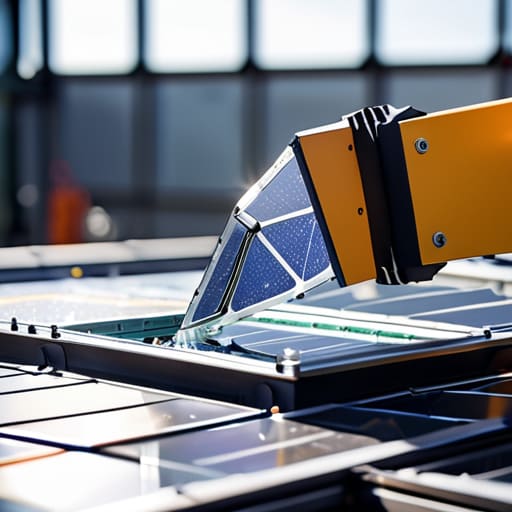
I was sitting in a drafty rental apartment last winter, shivering while trying to figure out why my heating bill was through the roof, when it hit me: we talk so much about installing renewables, but nobody talks about the graveyard they leave behind. There’s this massive, polished myth that going green is a perfect, infinite loop, but the reality of solar panel recycling is a lot messier than the glossy brochures suggest. We’ve spent years pushing people to adopt solar to save money and the planet, yet we’re currently staring down a massive wave of decommissioned hardware that could easily end up as expensive, toxic landfill if we don’t get smart about it right now.
I’m not here to sell you on some high-tech, overpriced miracle solution that only billionaires can afford. Instead, I want to give you the actual, boots-on-the-ground truth about how we handle end-of-life hardware without wasting more energy in the process. I’ll show you the practical ways to navigate solar panel recycling so that your transition to clean energy stays truly sustainable and doesn’t just trade one environmental headache for another.
Table of Contents
- Smart Solar Panel Recycling to Protect Your Wallet
- Managing Solar Panel End of Life Without Breaking the Bank
- 5 Ways to Handle Old Panels Without Wasting Money or Resources
- The Bottom Line on Solar Recycling
- <h2>The True Cost of Convenience</h2>
- Making the Most of Your Solar Lifecycle
- Frequently Asked Questions
Smart Solar Panel Recycling to Protect Your Wallet
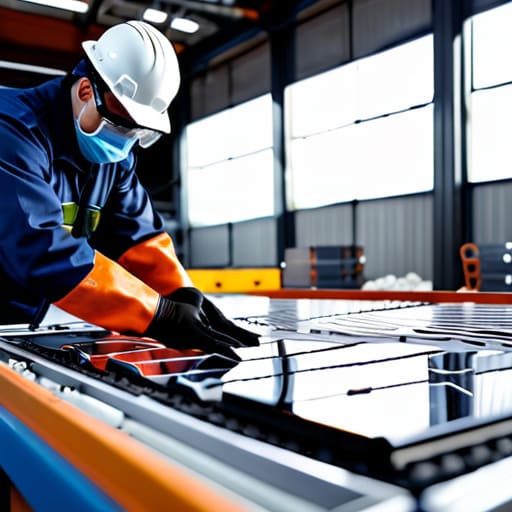
Most people think of solar panels as “set it and forget it” tech, but if you don’t have a plan for when they eventually die, you’re basically looking at a future liability. I’ve seen too many people treat decommissioned hardware like old junk, but that’s a massive mistake for your bottom line. Proper solar panel end-of-life management isn’t just about being eco-friendly; it’s about preventing expensive disposal fees and ensuring you aren’t paying to dump toxic components into a landfill.
When we talk about a circular economy for renewable energy, we’re talking about turning “waste” back into value. It is actually possible to pull significant worth out of old units through silicon recovery from solar cells and by reclaiming high-value materials like silver and copper. Instead of seeing an old panel as a heavy piece of glass to get rid of, think of it as a contained resource. If you manage the transition right, you can avoid the costs of handling hazardous materials and potentially even offset some of your next system’s installation costs.
Managing Solar Panel End of Life Without Breaking the Bank
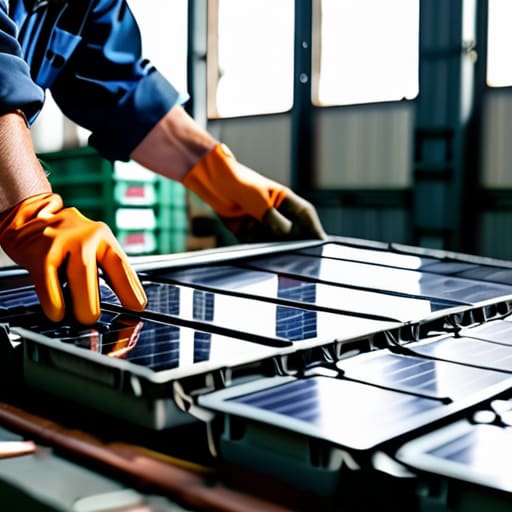
The biggest fear I hear from homeowners is that once their system hits its expiration date, the cost of disposal will wipe out all those years of energy savings. It’s a valid concern. If you don’t have a plan for solar panel end-of-life management, you might find yourself stuck with expensive, bulky equipment that’s difficult to move and even harder to get rid of legally. I always tell my clients: don’t wait until the panels are non-functional to start looking into your local options.
The good news is that the industry is slowly shifting toward a circular economy for renewable energy. Instead of treating old modules as junk, specialized facilities are getting better at reclaiming precious metals from solar panels like silver and copper. This isn’t just about being eco-friendly; it’s about making the entire lifecycle of your tech more cost-effective. By choosing certified recyclers who can handle the specialized process of separating glass from the cells, you ensure that you aren’t just paying to dump waste, but actually contributing to a system that keeps materials in use and costs down.
5 Ways to Handle Old Panels Without Wasting Money or Resources
- Check your warranty and manufacturer agreements first; some companies have built-in take-back programs that might cover the cost of recycling, saving you from paying a private contractor out of pocket.
- Don’t just scrap the whole unit at once; if you’re DIY-inclined, you can sometimes salvage the aluminum frames and copper wiring separately, which are high-value materials that local scrap yards will actually pay you for.
- Look for specialized e-waste facilities rather than general landfills; dumping panels in a standard bin is a massive waste of the silicon and silver inside, and it’s a headache waiting to happen when you realize they aren’t meant for the trash.
- Group your recycling efforts with neighbors; if you live in a community with several solar setups, coordinating a single pickup for multiple households can significantly lower the transportation fees that usually eat up your budget.
- Keep a digital log of your panel specs and serial numbers; having this data ready makes the recycling process much faster and helps specialized recyclers give you an accurate quote for the material recovery value.
The Bottom Line on Solar Recycling
Don’t treat old panels like trash; finding specialized recyclers can actually help you recover some value through material salvage rather than just paying a disposal fee.
Plan for the end-of-life stage during your initial setup so you aren’t hit with a massive, unexpected bill when your system finally stops producing power.
True sustainability means keeping the entire lifecycle clean—recycling properly ensures your transition to green energy doesn’t create a new mountain of electronic waste.
<h2>The True Cost of Convenience</h2>
“We can’t treat solar panels like disposable tech just because it’s the easy way out; if we don’t get the recycling loop right now, we’re just trading one environmental headache for another, more expensive one down the road.”
Tobias Nkemdirim
Making the Most of Your Solar Lifecycle
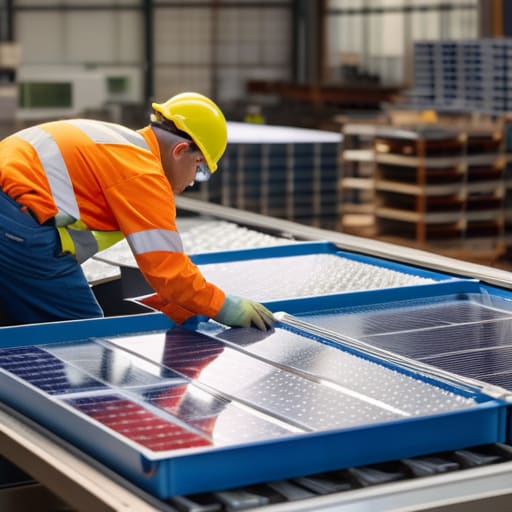
At the end of the day, managing your solar panels isn’t just about following a checklist; it’s about making sure your investment doesn’t turn into a liability. We’ve looked at how being proactive with recycling can protect your wallet, how to avoid the massive costs of improper disposal, and why finding the right local partners is the smartest move for your bottom line. If you treat your solar setup as a long-term asset rather than a “set it and forget it” gadget, you’ll find that recycling actually pays dividends in the form of recovered materials and avoided landfill fees. It’s about closing the loop so your transition to green energy doesn’t create a new problem down the road.
I know that thinking about the “end of life” for technology can feel a bit overwhelming, especially when you’re just trying to keep your monthly bills manageable. But I truly believe that sustainability shouldn’t be a luxury reserved for the wealthy. By taking these small, calculated steps now, you’re proving that efficiency and economy go hand in hand. We don’t have to choose between saving money and saving the planet; we just have to be a bit more intentional about how we handle the tools we use to power our lives. Let’s make sure our clean energy legacy is actually clean.
Frequently Asked Questions
Is it actually worth the effort to recycle my panels, or am I better off just finding a way to patch them up and keep using them?
Look, if a panel is just slightly underperforming, patch it up. It’s not worth the carbon footprint or the cost to replace something that still has life in it. But if the cells are cracked or the efficiency has tanked, stop throwing good money after bad. At that point, recycling isn’t just “green”—it’s practical. You recover valuable materials and avoid paying for a dead asset that’s just sitting there draining your potential savings.
How much is this going to cost me upfront to get everything hauled away and processed properly?
Look, I get it—the upfront cost is the biggest hurdle. Depending on your location and the volume, you’re likely looking at anywhere from $20 to $50 per panel for professional hauling and processing. It’s not cheap, and it’s definitely more than a trip to the local dump, but skipping it just creates a massive environmental debt. Think of it as a one-time fee to ensure your green investment doesn’t end up as toxic waste.
Where can I actually find a local facility that handles solar components without charging me an arm and a leg?
Finding a local facility isn’t as simple as a Google search for “recycling center,” because most standard scrap yards aren’t equipped for the specialized components in a PV module. Start by checking with your original installer; they often have established take-back programs. If that’s too pricey, look into specialized e-waste aggregators or reach out to local university engineering departments. Sometimes, they’re looking for components for research and might even take them off your hands for free.
