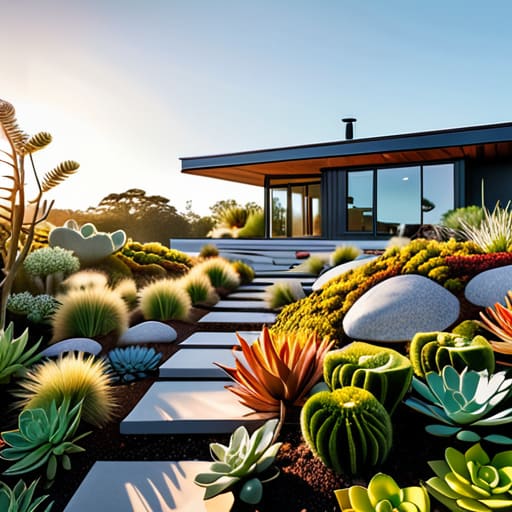
I remember standing on the roof of a client’s small bungalow last summer, watching the heat shimmer off the black shingles. I pulled out my infrared thermometer, and the reading was staggering—the surface was practically cooking. Most people think a green roof installation is some high-end, architectural flex reserved for luxury eco-mansions or massive corporate headquarters. They see the price tags on glossy brochures and assume it’s a pipe dream for the average homeowner. But honestly? That’s just marketing noise designed to make sustainability feel exclusive, when it should actually be accessible.
I’m not here to sell you on a lifestyle aesthetic or some overpriced garden kit that’ll die in two months. My goal is to strip away the fluff and give you the actual, data-driven reality of how this works for real homes. I’ll walk you through the practical steps of green roof installation, from the structural math you can’t ignore to the specific plant types that won’t break your bank. We’re going to focus on actual energy savings and long-term durability, ensuring you get a cooler house and lower bills without needing a massive inheritance to do it.
Table of Contents
- Extensive vs Intensive Green Roofs Choosing Your Path
- Mitigating the Urban Heat Island Effect Without Breaking the Bank
- 5 Practical Steps to Get Your Green Roof Right
- The Bottom Line: Is a Green Roof Worth It?
- The Real Value of Going Green
- Making the Move to a Greener Roof
- Frequently Asked Questions
Extensive vs Intensive Green Roofs Choosing Your Path
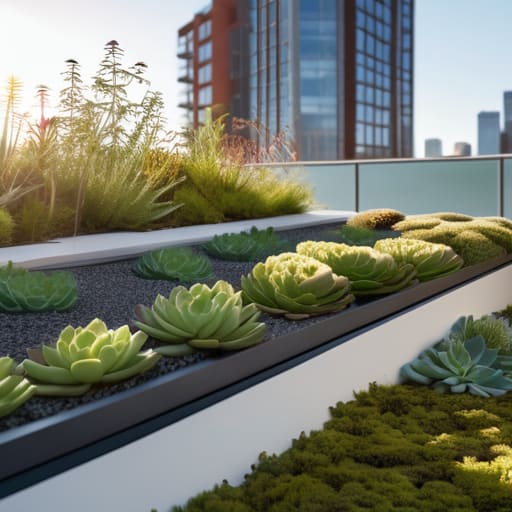
When you’re looking at your options, the first thing you need to nail down is whether you want a low-maintenance layer of insulation or a full-blown ecosystem. This is the core of the extensive vs intensive green roofs debate. Extensive roofs are the “set it and forget it” option; they use shallow soil and hardy plants like sedum to provide solid thermal protection without much fuss. They’re perfect if you just want to improve your home’s efficiency and help with urban heat island effect mitigation without spending every weekend weeding.
On the other hand, if you’re dreaming of a lush rooftop sanctuary with shrubs or even small trees, you’re looking at an intensive system. These are basically elevated parks, but they come with a catch: you have to account for significant rooftop garden structural requirements. Because the soil layers are much deeper, the weight can be immense. I always tell my clients to check their load-bearing capacity before getting too excited. Intensive setups offer incredible stormwater management benefits, but they require a much higher level of commitment and a sturdier foundation.
Mitigating the Urban Heat Island Effect Without Breaking the Bank
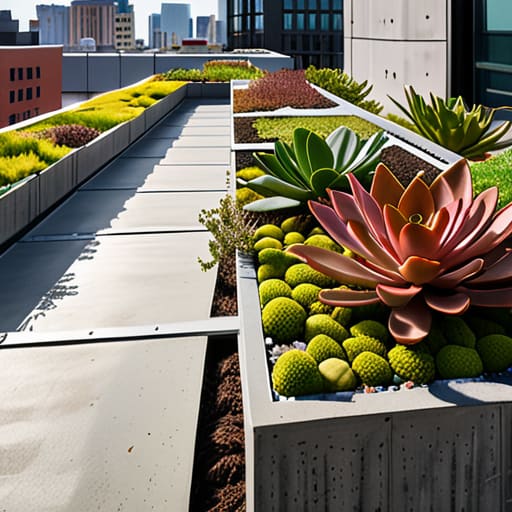
When I’m out doing audits, I notice how much concrete and asphalt trap heat, turning city streets into literal ovens by mid-afternoon. This is the core of the urban heat island effect mitigation struggle; our cities are designed to soak up sun and radiate it right back at us. By adding vegetation to your roof, you aren’t just decorating; you’re creating a natural cooling layer that prevents that heat from sinking into your living space. It’s one of the most effective ways to stop your AC from working overtime just to fight the building next door.
The best part is that you don’t need a massive landscape architecture budget to make an impact. While the choice between extensive vs intensive green roofs usually dictates your cost, even a low-maintenance, lightweight system can significantly lower local temperatures. You’re essentially building a thermal buffer. It’s about making smart, tactical moves to reclaim your comfort and lower your cooling costs without needing to overhaul your entire building’s structure.
5 Practical Steps to Get Your Green Roof Right
- Check your roof’s load capacity before you buy a single plant. I’ve seen too many people underestimate the weight of wet soil, and the last thing you want is a structural nightmare on your hands.
- Go for native plants to keep maintenance low. If you pick species that actually belong in your local climate, they’ll handle the heat and rain without you needing to babysit them or waste water.
- Don’t skimp on the drainage layer. A green roof isn’t just about the plants; it’s about managing water flow so you don’t end up with a swamp that rots your roof membrane.
- Think about your budget by starting small with an extensive system. You don’t need a massive, expensive intensive garden to see a drop in your cooling costs; even a thin layer of succulents makes a difference.
- Plan for a smart irrigation setup. Even “low maintenance” roofs need a little help during a heatwave, so setting up a simple, efficient watering system now will save you a lot of headache (and dead plants) later.
The Bottom Line: Is a Green Roof Worth It?
Don’t let the upfront cost scare you; view a green roof as a long-term investment that pays for itself by slashing your cooling bills and extending your roof’s lifespan.
Match your roof type to your actual lifestyle—if you aren’t planning to spend hours gardening up there, stick to an extensive system to save money and maintenance headaches.
Think beyond your own wallet; by installing a green roof, you’re actively helping cool down your entire neighborhood and reducing the energy strain on the local grid.
The Real Value of Going Green
“A green roof isn’t just some aesthetic luxury for high-end builds; it’s a practical tool for anyone tired of watching their cooling bills spike every single summer.”
Tobias Nkemdirim
Making the Move to a Greener Roof
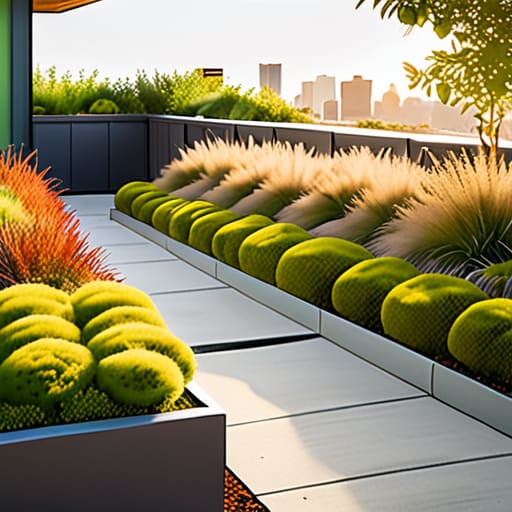
At the end of the day, choosing between an extensive or intensive green roof comes down to your specific goals, your budget, and how much maintenance you’re actually willing to handle. Whether you’re looking for a lightweight, low-maintenance layer to help with insulation or you want to build a full-scale rooftop garden, the core objective remains the same: reducing the thermal load on your building. By tackling the urban heat island effect head-on, you aren’t just making a stylistic choice; you are making a calculated investment in your home’s long-term efficiency. It’s about moving away from the “set it and forget it” mentality and toward a system that actively works to lower your utility bills every single month.
I know that looking at installation costs can feel overwhelming, especially when you’re trying to balance a tight monthly budget. But I want you to remember that sustainability shouldn’t be a luxury reserved for the elite. Every square meter of greenery we add to our rooftops is a step toward a more resilient, cooler, and more affordable way of living. Don’t let the complexity of the process stop you from starting small. Even a modest installation can drastically reduce your carbon footprint and prove that you don’t need a massive fortune to make a real impact on the planet.
Frequently Asked Questions
How much extra weight can my current roof actually handle before I need to worry about structural damage?
Look, I can’t give you a magic number because every roof is different, and guessing here is how you end up with a structural nightmare. Before you even think about soil or plants, you need a structural engineer to run the math. They’ll calculate your roof’s “dead load” versus the “live load” of a saturated green roof. Don’t skip this step—an overloaded roof isn’t just expensive to fix; it’s dangerous.
Is the upfront cost of a green roof actually going to pay itself back through lower energy bills in a reasonable timeframe?
Look, I’ll give it to you straight: if you’re looking for a quick ROI in twelve months, a green roof isn’t it. The upfront cost is higher than standard roofing, and that’s a reality. However, when I run the numbers on cooling costs—especially during those brutal summer heatwaves—the savings start to stack up. Between lower AC bills and the roof lasting much longer because it’s protected from UV damage, it pays for itself.
What kind of maintenance am I looking at—am I basically turning my roof into a full-time gardening job?
Look, I get the hesitation. If you go intensive with deep soil and shrubs, yeah, you’re basically starting a rooftop garden. That requires weeding and regular watering. But if you stick to an extensive setup—think sedums and hardy succulents—the maintenance is minimal. It’s more about checking the drainage and making sure things haven’t dried out during a heatwave. It shouldn’t be a second job; it should just be a smart, low-effort upgrade.
