I was standing on a ladder last February, my fingers numb and my breath blooming in the freezing air, staring at a layer of gray, frozen grime that looked more like concrete than dust. Most “experts” will tell you to just leave your system alone until spring because it’s too risky to handle solar panel cleaning in winter, but that’s exactly how you end up bleeding money. They want you to believe that maintenance is a luxury for the wealthy or a task reserved for perfect summer days, but when your efficiency drops because of a salt crust or a layer of slush, you’re essentially throwing cash into the wind.
I’m not here to sell you on expensive professional cleaning services or complex gadgets you don’t need. My goal is to give you the practical, data-driven reality of how to maintain your setup without breaking your back or your bank account. I’ll show you the specific, low-cost ways to manage solar panel cleaning in winter so you can keep your energy production steady and your bills from spiking. This isn’t about perfection; it’s about smart, efficient upkeep that actually works for real people living in real homes.
Table of Contents
The Real Impact of Heavy Snow on Energy Production
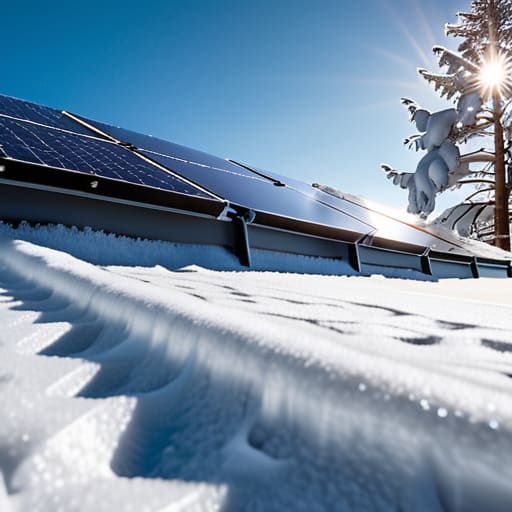
When a heavy blanket of snow settles over your roof, it’s not just a seasonal aesthetic; it’s a physical barrier between your panels and the sun. I’ve seen setups where a single, thick layer of powder completely kills the output, leading to a massive impact of heavy snow on energy production. It’s frustrating because even if the sun is blazing, that layer of white acts like a blackout curtain. You aren’t just losing light; you’re losing the potential ROI you invested in that system.
The real headache, though, isn’t just the lack of light—it’s the weight and the freeze-thaw cycle. Heavy, wet snow can put unnecessary mechanical stress on your mounting hardware. Even worse, if you aren’t careful, you can run into issues with preventing solar panel frost damage when that snow melts and refreezes into a solid sheet of ice. This ice can trap moisture or even cause micro-cracks if the expansion is aggressive enough. It’s a delicate balance between keeping the panels clear and ensuring you aren’t accidentally causing more harm than good while trying to reclaim your power output.
Smart Safe Snow Clearing Techniques for Solar Arrays
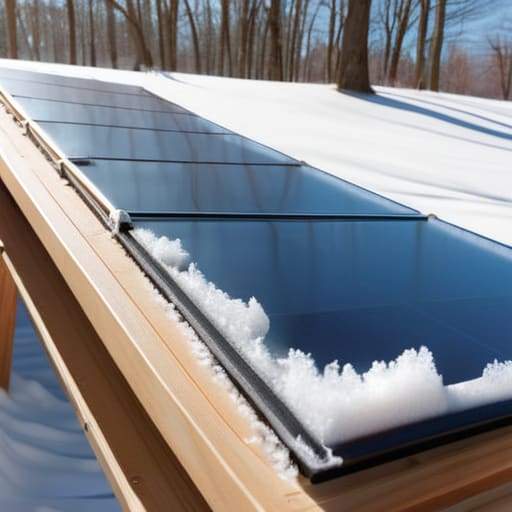
When the snow starts piling up, your first instinct might be to grab a shovel and head outside, but please, don’t do that. Using metal tools or even hard plastic scrapers is a quick way to create micro-cracks in the glass, which kills your long-term output. Instead, I always recommend using a soft, telescopic pole with a foam head or a specialized solar brush. If you’re dealing with a steep roof, it’s often better to let gravity do the heavy lifting; sometimes, just waiting for a slight temperature shift is safer than risking a fall.
If you absolutely have to clear them, focus on safe snow clearing techniques for solar arrays that prioritize the integrity of the cells. I’ve seen too many people try to melt snow with hot water, which is a disaster waiting to happen. Rapid temperature changes can cause thermal shock, leading to cracks that are invisible to the eye but devastating to your system. If you’re worried about ice buildup, look into specialized coatings or even small, controlled applications of solar panel heating and defrosting solutions designed for residential use. Keep it gentle, keep it slow, and protect your investment.
5 Ways to Keep Your System Running Without Breaking It
- Check your temperature before you touch anything; if you pour lukewarm water on a freezing glass panel, the thermal shock can crack the entire unit, and that’s a repair bill you definitely don’t want.
- Forget the pressure washer; using high-pressure sprayers is a quick way to damage the seals around your panels, so stick to a soft brush or a gentle stream of water to move the grime.
- Use a telescopic pole for snow removal so you aren’t climbing on a ladder in the middle of a freezing afternoon—safety is just as important as efficiency when you’re working at height.
- Keep an eye on the “grime buildup” after a thaw; when snow melts, it often leaves behind a concentrated layer of salt and road spray that can block sunlight just as effectively as the snow itself.
- Don’t obsess over perfection; if you can’t get them spotless because of the weather, just focus on clearing the heavy stuff so the cells can at least breathe and catch whatever light is available.
The Bottom Line for Your Winter Solar Setup
Don’t panic over a light dusting of snow, but don’t let a heavy buildup sit there for days; if the sun is out and your output is tanking, it’s time to clear it.
Safety over savings—never climb onto a frozen roof or use abrasive tools that could scratch the glass, because a cracked panel is a much bigger expense than a few lost kilowatt-hours.
Keep an eye on the grime; winter salt and road spray can create a film that blocks light, so a quick, careful rinse when things thaw can prevent you from paying more for electricity later.
## The Cost of Neglect
“I’ve seen too many people assume that a thin layer of frost or a dusting of grit is just part of the season, but that’s a mistake. Every bit of grime sitting on your panels is essentially a tax you’re paying to the utility company because your system can’t reach its full potential.”
Tobias Nkemdirim
Keeping the Momentum Through the Cold
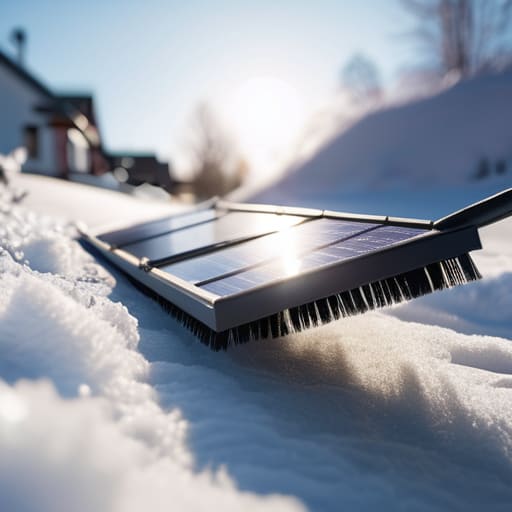
At the end of the day, winter solar maintenance isn’t about achieving perfection; it’s about minimizing the drag on your system. We’ve talked about how heavy snow acts like a literal shroud over your energy production and why you need to be incredibly careful with how you clear that debris. Whether you’re using a soft brush or just letting the sun do the heavy lifting, the goal is to prevent that layer of grime and ice from becoming a permanent barrier. Don’t let a little bit of seasonal buildup turn into a massive drain on your wallet just because it’s too cold to want to step outside.
I know it can feel like a chore, especially when you’re already dealing with the general grind of winter, but these small, intentional actions are what bridge the gap between a “good” setup and a truly efficient home. Living sustainably shouldn’t feel like an uphill battle against the elements, but it does require us to be a bit more observant of how our tech interacts with the world around it. If you take care of your panels now, they’ll be ready to hit the ground running the second the spring sun returns. Every watt you save is a win for your bank account and a small victory for the planet.
Frequently Asked Questions
Is it actually worth the effort to clear light frost, or should I just wait for the sun to do its thing?
Honestly, don’t bother with a light frost. If it’s just a thin layer, the sun will usually melt it off within an hour of breaking through. I’ve checked my readings with the infrared thermometer—once that sun hits, the thermal absorption does most of the heavy lifting anyway. Save your energy and avoid the risk of scratching the glass. Only break out the tools if the frost is thick enough to actually block the light.
Can I use a standard garden hose to melt the ice, or am I going to crack the glass from the temperature shock?
Whatever you do, keep that garden hose in the shed. Using lukewarm or cold water on a frozen panel is a recipe for disaster; the thermal shock can easily crack the tempered glass, and that’s an expensive repair you definitely don’t need. I’ve seen enough thermal stress damage in my audits to know it’s not worth the risk. Stick to a soft brush or a specialized solar squeegee instead. Protect your hardware.
If I'm using a brush to sweep off the snow, how do I make sure I'm not scratching the anti-reflective coating?
I get it—the last thing you want to do is trade a snow problem for a permanent scratch on your panels. If you’re using a brush, skip the stiff bristles. Go for something soft, like a specialized solar brush or even a soft-bristle broom. Most importantly, never scrub. Use light, sweeping motions. Think of it like cleaning a smartphone screen; you want to move the debris, not grind it into the coating.
