I remember standing in my old rental apartment, shivering in a room that felt more like a walk-in freezer than a living space, staring at a utility bill that made absolutely no sense. I knew I needed to go solar, but every time I searched for solar inverters explained, I was met with a wall of technical jargon and salespeople trying to upsell me on systems that cost more than my entire annual rent. It’s frustrating because most of the “experts” out there talk like they’re reading a textbook, completely ignoring the fact that most people just want to stop bleeding money to the grid without needing a PhD in electrical engineering.
I’m not here to sell you a premium, over-engineered setup that you don’t actually need. Instead, I’m going to strip away the fluff and give you the practical reality of how these devices actually work in a real home. My goal is to provide a breakdown of solar inverters explained through the lens of efficiency and actual cost-savings. We’ll look at what matters—reliability, compatibility, and ROI—so you can make a smart decision that keeps your footprint small and your bank account intact.
Table of Contents
The Magic of the Dc to Ac Conversion Process
To understand why this piece of hardware is the heart of your setup, you have to look at the physics of what’s actually happening. Your solar panels are essentially collecting raw, “wild” energy in the form of Direct Current (DC). While that’s great for a battery, your fridge, laptop, and lights all run on Alternating Current (AC). This is where the dc to ac conversion process comes into play. The inverter acts as a translator, taking that steady stream of DC and flipping it back and forth rapidly to create the rhythmic wave of AC that your home appliances crave.
It isn’t just about flipping a switch, though; it’s about precision. A high-quality unit uses something called Maximum Power Point Tracking (MPPT) to ensure it’s squeezing every possible drop of energy out of your panels, even when a cloud drifts by. If the conversion is sloppy, you’re essentially leaking money through your roof. When I’m auditing a home, I always look at the solar inverter efficiency ratings because even a 2% difference in how well that conversion happens can mean a noticeable dent in your monthly utility bill over the course of a year.
Mastering Solar Inverter Efficiency Ratings to Save Money
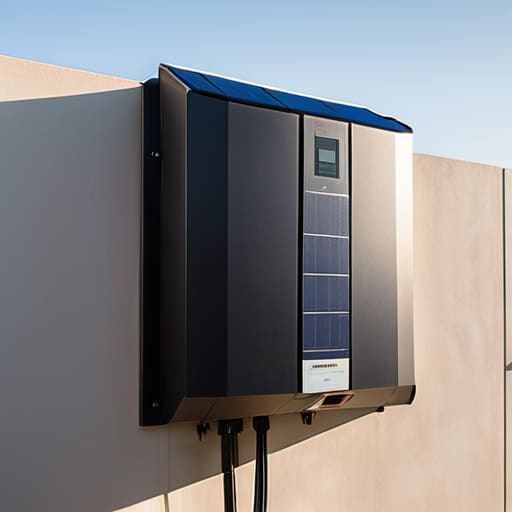
When you’re looking at spec sheets, it’s easy to get lost in a sea of percentages, but here is the reality: not all conversion is created equal. Most people see a 95% efficiency rating and think they’re golden, but they forget that energy loss happens at every single stage of the dc to ac conversion process. If your hardware is subpar, you’re essentially paying for sunlight that never actually reaches your appliances. I always tell my clients to look past the headline number and check the efficiency curve—how well the unit performs when the sun isn’t at its absolute peak.
You also need to consider how different setups handle energy loss. For instance, if you have a complex roofline with partial shading, the debate between string inverter vs microinverter becomes a financial one, not just a technical one. A string inverter might be cheaper upfront, but if one panel gets shaded, the whole system’s efficiency tanks. Choosing the right hardware isn’t about buying the most expensive gear; it’s about minimizing the gap between what your panels produce and what your home actually consumes.
5 Ways to Make Sure Your Inverter Actually Pays for Itself
- Don’t get blinded by the sticker price. A cheap inverter might save you a few bucks today, but if it has a low efficiency rating, it’s literally bleeding money every time the sun is out. Look for high conversion efficiency so you’re getting the most bang for your buck from your panels.
- Match your inverter to your actual load. I see people all the time buying massive, high-capacity inverters for a tiny apartment setup. It’s overkill and inefficient. Size it to what you actually need to run—fridge, lights, laptop—so you aren’t wasting energy just keeping the system idling.
- Check for smart monitoring features. If you can’t see what’s happening with your power in real-time on your phone, you’re flying blind. I use data to find leaks, and you should too. Being able to see exactly how much energy is being converted helps you spot issues before they wreck your monthly budget.
- Think about your future expansion. If you’re planning to add more panels or a battery later, don’t buy a “closed” system. Get an inverter that’s modular or expandable. It’s way cheaper to buy a slightly better unit now than to rip out the whole setup and start over in two years.
- Keep it cool and ventilated. This isn’t just about hardware longevity; heat is the enemy of efficiency. If your inverter is tucked away in a cramped, unventilated cupboard, it’s going to struggle, get hot, and lose more energy to heat dissipation. Give it some breathing room so it can work smarter, not harder.
The Bottom Line on Your Inverter
Don’t just look at the price tag; check the efficiency rating. A cheaper inverter that wastes more energy as heat is actually costing you more in the long run through higher utility bills.
Think of the inverter as the brain of your entire solar setup. If it’s not converting DC to AC smoothly, all that sunlight hitting your roof is basically being wasted.
Investing in a quality inverter is a way to future-proof your home. It’s the difference between a system that barely keeps the lights on and one that actually helps you slash your energy footprint.
## The Real Cost of Cheap Hardware
“Most people focus on the price tag of a solar kit, but if you’re buying a low-quality inverter just to save a few bucks upfront, you’re basically pouring money down a leak. A smart inverter isn’t just a box that converts power; it’s the gatekeeper that ensures the energy you’re paying for actually makes it to your appliances instead of bleeding out as wasted heat.”
Tobias Nkemdirim
The Bottom Line on Your Inverter
At the end of the day, choosing a solar inverter isn’t just about picking a piece of hardware; it’s about understanding how that device dictates the efficiency of your entire system. We’ve looked at how the conversion from DC to AC works and why obsessing over those efficiency ratings is the difference between a system that pays for itself and one that just sits there wasting potential. If you ignore the quality of your inverter, you’re essentially leaving money on the table every time the sun comes up. Remember, a high-quality unit is the bridge between raw sunlight and actual savings in your bank account.
I know that transitioning to solar can feel like a massive, expensive hurdle, but it doesn’t have to be overwhelming. You don’t need a million-dollar setup to make a dent in your carbon footprint or your monthly utility bills. It starts with making smart, data-driven decisions about the components that run your home. My goal has always been to prove that sustainability shouldn’t be a luxury reserved for the wealthy. By picking the right tech and refusing to settle for inefficiency, you’re taking a massive step toward a home that is both kind to the planet and kind to your wallet.
Frequently Asked Questions
Do I actually need a battery backup, or can I just run my appliances directly from the inverter?
It depends on your lifestyle, but here’s the reality: if you go without a battery, you’re basically a slave to the sun. You can run appliances directly from the inverter while the panels are cranking, but the second a cloud passes over or the sun dips, your power vanishes. If you want to keep your fridge running and your lights on after dark without breaking the bank on massive upgrades, you’re going to need that battery buffer.
How much extra will it cost to upgrade to a hybrid inverter compared to a standard string inverter?
On average, expect to pay anywhere from $500 to $1,500 more upfront for a hybrid inverter compared to a standard string setup. It’s a steeper initial investment, but I look at it through the lens of long-term efficiency. A standard inverter is a one-way street, while a hybrid acts like a smart hub, managing both your panels and a battery bank. If you want energy independence, that extra cost is your ticket to actually using your power when the sun isn’t out.
Can a cheap, low-efficiency inverter actually mess up my other home appliances?
Short answer: Yes, absolutely. I’ve seen it happen during audits. A cheap, low-quality inverter often produces “dirty” power—meaning the sine wave is jagged rather than smooth. This creates electrical noise and voltage fluctuations. If you plug sensitive gear like your laptop or a high-end fridge into a bad inverter, those spikes can fry delicate circuitry or cause motors to run hot and die prematurely. Don’t gamble your expensive appliances just to save a few bucks upfront.
