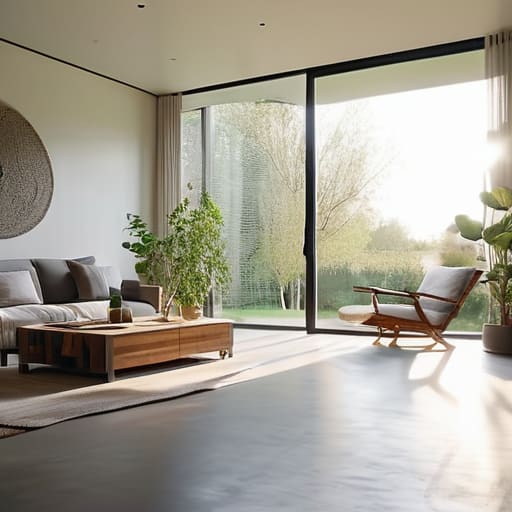
I still remember sitting in my old rental apartment three years ago, sweating through my shirt despite the rain hitting the window. The air was so thick and stagnant it felt like I was breathing through a wool blanket, yet the thought of cranking the AC made my stomach knot at the potential electricity bill. Most people will tell you that you need to install expensive, high-tech HVAC systems to fix a stuffy house, but that’s just a way to drain your bank account. The truth is, mastering natural ventilation strategies isn’t about buying more gadgets; it’s about understanding how air actually moves through the space you already live in.
I’m not here to sell you on some complicated architectural theory or “smart” home tech that breaks in six months. My goal is to give you the actual, low-cost methods I use during my energy audits to keep a home cool without the massive utility spike. We’re going to look at how to use cross-breezes and thermal mass effectively so you can stop throwing money away on cooling. This is about practical, data-driven changes that make your home livable and your bills manageable.
Table of Contents
Mastering Wind Driven Ventilation Without Breaking the Bank
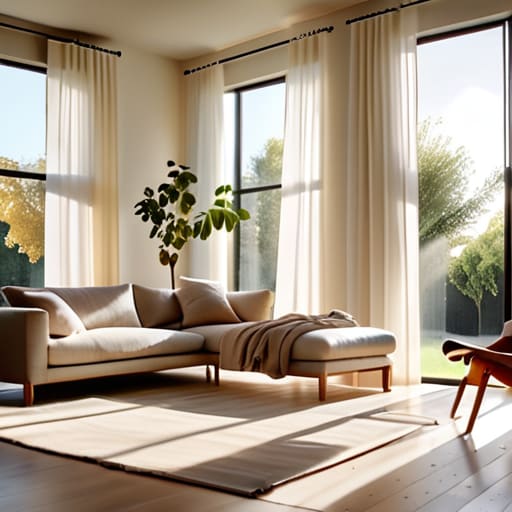
Most people think they need a high-tech HVAC system to manage indoor temperatures, but you can actually leverage the air moving outside your house for free. I’ve seen so many homes where the windows are just shut tight, trapping stale, hot air inside. To get real wind-driven ventilation working for you, you need to understand the pressure difference between the windward and leeward sides of your building. If you open a window on the side the wind is hitting and another on the opposite side, you create a vacuum effect that pulls fresh air through the entire space.
It’s not just about a breeze, though; it’s about strategic placement. I always tell my clients to look at their window layouts. If you can create a clear path from one side of the house to the other, you’re essentially turning your home into a wind tunnel that flushes out heat. This is one of the most effective passive cooling techniques because it requires zero electricity. You aren’t just cooling the room; you’re actively refreshing the air, which is a massive win for both your wallet and your comfort.
Simple Building Envelope Design for Cooler Rooms
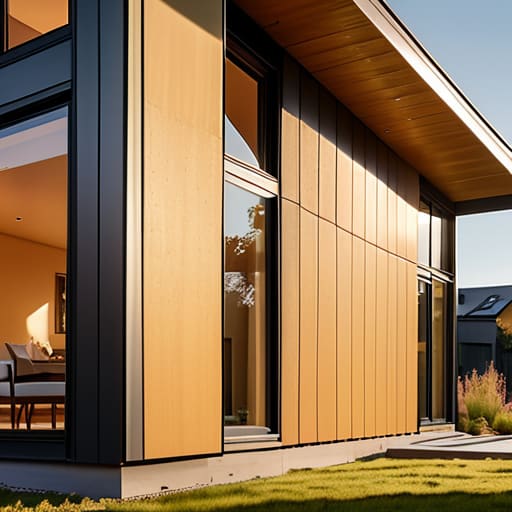
When I’m auditing a home, I usually find that people focus way too much on the gadgets and not enough on the actual shell of the house. You can buy the most expensive smart thermostat on the market, but if your building envelope design is flawed, you’re just fighting a losing battle against physics. I’m talking about the literal skin of your home—the walls, windows, and roof. If your house is absorbing heat like a sponge during the day, no amount of fan-spinning is going to save your electricity bill.
The goal is to create a barrier that works with the climate rather than against it. This is where passive cooling techniques become your best friend. For example, if you’re looking at window placement, shading them with external shutters or even simple awnings can prevent the sun from turning your living room into a greenhouse. It’s about managing how much heat enters the space in the first place. I always tell my clients: the smartest way to stay cool isn’t to blast the AC; it’s to make sure the heat never gets a chance to settle in your rooms.
5 Low-Cost Hacks to Get Your Home Moving Air
- Use the stack effect by opening windows on the ground floor and at the highest point of your house; hot air naturally rises and escapes out the top, pulling cooler air in from below.
- Time your cross-ventilation with the breeze; I always check the wind direction before opening windows, because opening a window on the leeward side of the house just creates a dead zone of stagnant air.
- Install inexpensive window films or mesh screens that allow airflow while blocking direct solar heat gain, so you aren’t just inviting the sun to cook your living room.
- Create a “ventilation path” by aligning your open windows with your furniture; if a heavy bookshelf is blocking the air path between two windows, you’re basically fighting physics for nothing.
- Use ceiling fans in tandem with open windows; a fan doesn’t cool the air, but it helps circulate the fresh breeze you’re letting in, making the convective cooling feel much more effective.
The Bottom Line on Natural Ventilation
You don’t need a high-tech HVAC system to stay comfortable; mastering cross-ventilation and timing your window usage can cut your cooling costs significantly.
Small architectural tweaks, like strategically placing openings to catch a breeze, offer long-term savings that far outweigh the cost of running an AC all day.
Efficiency isn’t about spending more; it’s about using the environment you already have more intelligently to stop throwing money out the window.
## The Cost of Staying Still
“We’ve been conditioned to think that comfort requires a constant hum of electricity, but most of the time, your house is just suffocating. Real efficiency isn’t about buying a smarter AC; it’s about learning how to move the air that’s already there for free.”
Tobias Nkemdirim
Making It Work for You
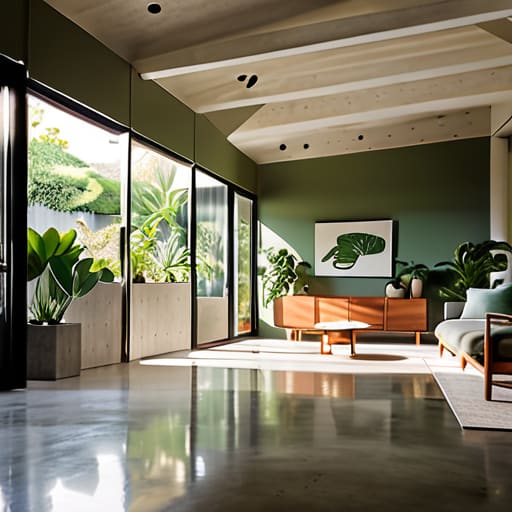
At the end of the day, natural ventilation isn’t about some complex engineering feat; it’s about understanding how your specific space interacts with the air around it. We’ve looked at how you can leverage wind patterns to flush out heat and how a few smart tweaks to your building envelope can keep the cool air where it belongs. You don’t need to rip out your walls or install a high-tech HVAC system to see a difference. By focusing on strategic airflow and being mindful of how your home breathes, you can significantly cut down on those monthly cooling costs. It’s all about using what you already have more effectively, rather than just throwing more electricity at the problem.
I know it can feel overwhelming to try and tackle energy efficiency when it feels like everything is getting more expensive. But I promise you, small, intentional changes are where the real impact happens. Every time you choose to open a window instead of cranking the AC, or adjust a shutter to block the midday sun, you’re winning. You’re saving money, reducing your footprint, and taking control of your environment. Living sustainably shouldn’t be a luxury reserved for the wealthy; it’s a practical way of life that starts with just being a bit more observant of the world around you.
Frequently Asked Questions
How do I know if I'm actually getting enough airflow, or if I'm just moving hot air around my room?
The easiest way to tell is by using my infrared thermometer. If I point it at a surface and the temperature stays stagnant despite the fan running, you’re just swirling hot air. You need a temperature differential. Check the air coming in from the window versus the air hitting your skin. If the “inflow” isn’t significantly cooler than the room temp, you aren’t ventilating; you’re just creating a localized heat pocket.
Will opening my windows for ventilation make my home too humid or bring in too much dust and pollen?
It’s a fair concern, and honestly, it’s one I hear a lot during audits. Yes, if you leave everything wide open during a pollen spike or a humid afternoon, you’re inviting those issues inside. The trick is timing. Don’t just vent aimlessly; use cross-ventilation for short, intense bursts when the air is actually moving and the outdoor humidity is low. It’s about being strategic with your airflow, not just leaving windows propped open all day.
Is there a way to use natural ventilation at night without worrying about security or bugs getting in?
I get it—the thought of leaving windows open while you sleep is enough to keep anyone awake. I’ve been there. The best middle ground is investing in high-quality window screens; they’re cheap, easy to install, and keep the bugs out. For security, look into window restrictors or security bars that allow a gap for airflow but prevent anyone from squeezing through. It’s about finding that balance between a cool room and peace of mind.
