I still remember sitting in my old rental apartment, shivering under three blankets because the heating bill was more intimidating than the actual cold. I’d watch the thermostat climb, only to feel that same draft hitting my ankles five minutes later. Most people think low energy home design is some exclusive club for people with massive bank accounts and architectural degrees, but that’s a total myth. You don’t need a solar farm or a million-dollar renovation to stop bleeding money through your walls; you just need to stop wasting energy simply because it’s the easy way out.
I’m not here to sell you on expensive, high-tech gadgets that look good in a brochure but don’t actually move the needle. My goal is to give you the straight talk—the kind of practical, data-driven advice I use when I’m out on an audit with my infrared thermometer in hand. I’m going to show you how to approach low energy home design through smart, low-cost tweaks that actually work. We’re going to focus on keeping your bills low and your footprint small, without breaking the bank to do it.
Table of Contents
Smart Thermal Envelope Optimization for Every Budget
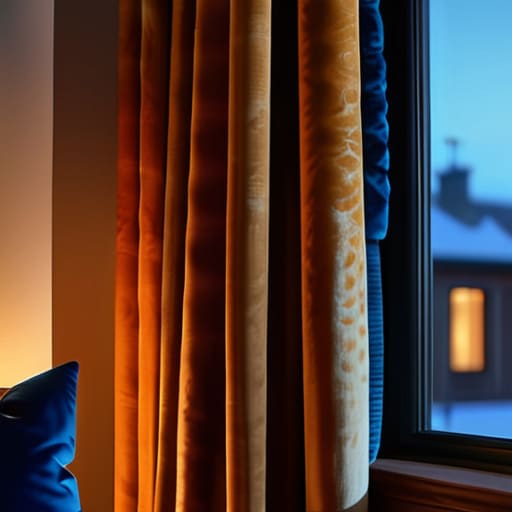
When I’m auditing a house, the first thing I do is pull out my infrared thermometer. I’m looking for those telltale cold spots where heat is literally escaping through the walls or window frames. This is the core of thermal envelope optimization. If your home’s “shell” is leaky, it doesn’t matter how much money you spend on high-tech heating; you’re just paying to heat the outdoors. For those on a tight budget, you don’t need to strip the house to the studs. Start with the easy wins: weatherstripping door frames and using heavy, thermal curtains to seal off windows at night. It’s about creating a continuous barrier that keeps the warmth where it belongs.
If you have a bit more to invest, you can look into upgrading your attic insulation or swapping out old, single-pane windows for something more substantial. This moves you closer to actual building insulation standards that prioritize long-term savings over quick fixes. I always tell my clients that investing in the envelope first is the most logical move. It’s much easier to keep heat inside a well-sealed room than it is to try and fight a losing battle against a drafty house with a more expensive furnace.
Using Solar Gain Strategies to Lower Your Bills
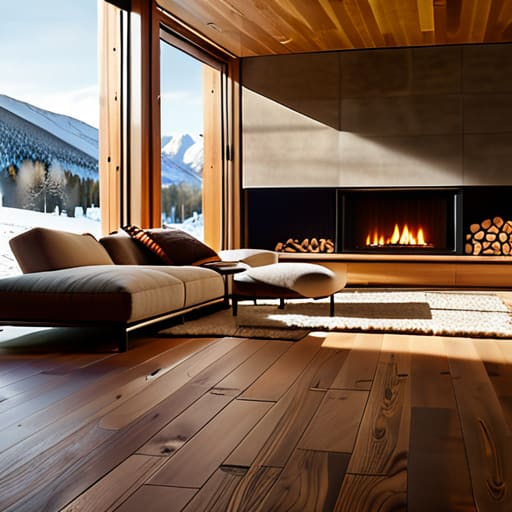
Most people think of solar power as just panels on a roof, but you can actually start using the sun to heat your home for free long before you ever look at a battery. I call this passive heating, and it’s one of the most effective solar gain strategies available. If you have south-facing windows, you’re sitting on a goldmine of free thermal energy. During the winter, you want that sunlight hitting your floors and walls to soak up heat. I always tell my clients to keep those blinds up during the day to let the sun do the heavy lifting, then close them as soon as dusk hits to trap that warmth inside.
However, it’s a delicate balance. If you don’t manage it right, you’ll end up with a greenhouse effect that spikes your cooling costs in the summer. This is where strategic shading becomes essential. Adding simple external shutters or even well-placed deciduous trees can block the high summer sun while allowing the lower winter sun to penetrate. It’s about working with the seasons, not against them, to keep your environment stable without constantly cranking the thermostat.
5 Low-Cost Moves to Cut Your Energy Waste
- Stop the drafts at the source. I’ve spent way too many hours with my infrared thermometer pointing at door frames and window sills; most of the heat you pay for is literally leaking out through tiny gaps. Grab some weatherstripping or even just a heavy draft stopper for the bottom of your doors—it’s a cheap fix that makes a massive difference in how long your heater actually has to run.
- Master your lighting without the expensive smart-home setup. You don’t need a fully automated house to save money. Just swap out every single old incandescent bulb for high-quality LEDs. They draw a fraction of the power and last years longer, which means less money spent on replacements and less energy wasted as heat.
- Rethink your appliance standby habits. We often talk about “vampire power,” and for good reason. Even when they’re “off,” things like coffee makers, gaming consoles, and chargers are still pulling current. Using a simple power strip that you can flick off when you head to bed or leave for work is one of the easiest ways to stop bleeding money.
- Optimize your thermostat settings for real life, not just theory. Instead of cranking the heat when you get home, try to find a steady, moderate temperature that works for your routine. If you can, invest in a basic programmable thermostat. It’s a one-time cost that pays for itself by ensuring you aren’t heating an empty house while you’re at work.
- Manage your airflow like a pro. It sounds simple, but being intentional about where air moves in your home matters. In the summer, keep those blinds closed during the hottest part of the day to block out the sun, and in the winter, keep them open to let that natural warmth in. It’s about working with the environment you have, not fighting against it.
The Bottom Line on Low-Energy Living
Efficiency isn’t about expensive gadgets; it’s about sealing your thermal envelope and managing solar gain to stop paying for heat you’re literally leaking into the street.
Prioritize high-impact, low-cost fixes like weatherstripping and window treatments before you even think about upgrading major appliances.
A sustainable home is built on data, not guesswork—use tools like an infrared thermometer to find exactly where your money is escaping.
## The Reality of Sustainable Living
“Low energy design isn’t about buying the most expensive smart-home gadgets or living in a glass box; it’s about being smart enough to stop paying for heat that’s just leaking through your walls.”
Tobias Nkemdirim
Making It Stick
At the end of the day, designing a low-energy home isn’t about buying the most expensive smart tech on the market. It’s about understanding how your space actually breathes and moves heat. We’ve looked at how optimizing your thermal envelope keeps the warmth where it belongs and how leveraging solar gain can do the heavy lifting for your heating system for free. Whether you are sealing a drafty window or strategically placing furniture to catch the sun, these small, data-backed adjustments add up. When you stop letting energy leak through the cracks—literally and figuratively—you aren’t just lowering your monthly utility bills; you are optimizing your entire living environment for long-term comfort.
I know it can feel overwhelming to think about sustainability, especially when it feels like a luxury reserved for people with massive renovation budgets. But my experience auditing homes has taught me that efficiency is a mindset, not a price tag. You don’t need to rebuild your entire house to make a difference. Start where you are, use what you have, and focus on the low-hanging fruit first. Every kilowatt you don’t waste is a win for your wallet and a win for the planet. Let’s stop settling for inefficient, expensive living and start building homes that actually work with nature instead of against it.
Frequently Asked Questions
I've looked into insulation and solar gain, but what are the most effective low-cost ways to tackle drafts around windows and doors without a full renovation?
Honestly, you don’t need to rip out your frames to stop feeling that chill. I usually grab my infrared thermometer, find the cold spots, and start with the easy stuff. Grab some heavy-duty weatherstripping for the door jambs and adhesive foam tape for the window tracks—it’s cheap and works wonders. For the bottom of doors, a simple weighted draft stopper is a lifesaver. It’s not fancy, but it stops the money from literally blowing out of your house.
How do I balance adding more insulation with the risk of trapping moisture and causing mold issues in older homes?
This is the classic “tight house” dilemma. When I audit older homes, I see this all the time: people seal everything up to save on heating, but they accidentally turn their walls into a petri dish. To avoid mold, you can’t just add insulation; you have to manage airflow. Focus on breathable materials and ensure you aren’t blocking existing ventilation points. It’s about finding that sweet spot where heat stays in, but moisture can actually escape.
Are there specific smart home technologies that actually deliver a real ROI on energy savings, or is most of it just marketing hype?
Look, most “smart” gadgets are just overpriced toys, but a few actually pay for themselves. If you want real ROI, skip the smart lightbulbs and focus on smart thermostats and automated radiator valves. They actually manage your thermal load based on real-time data rather than just following a timer. I’ve seen people slash heating costs by 15% just by letting a smart system handle the heavy lifting. If it doesn’t actively reduce consumption, it’s just hype.
