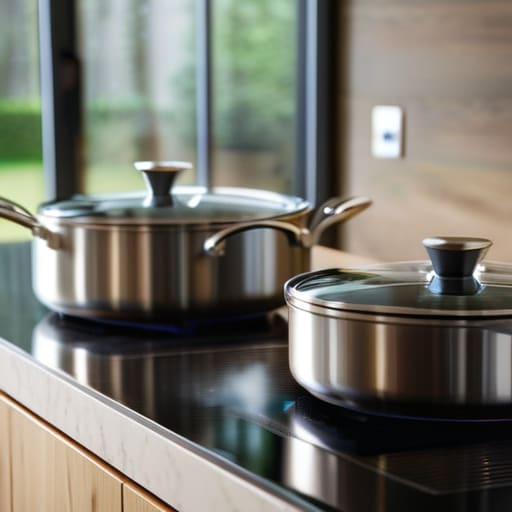
I still remember sitting in my old rental apartment, shivering through a mid-winter chill while staring at a utility bill that felt like a personal insult. I was trying to cook a basic meal, but every time I turned on the stove, I felt like I was just throwing money directly into a furnace. There’s this massive, annoying myth floating around that energy efficient cooking requires you to drop thousands on high-end, smart induction ranges or specialized solar ovens. Honestly? That’s a load of rubbish. Most of the “green” kitchen advice out there is just a way to upsell you on gadgets you don’t actually need to see a real difference in your monthly costs.
I’m not here to sell you a lifestyle or a shiny new appliance. Instead, I want to show you how to audit your own kitchen habits using the same data-driven approach I use in my professional audits. I’m going to break down the small, practical shifts—from how you lid your pots to how you manage your oven’s residual heat—that actually move the needle. My goal is simple: to help you master low-cost, high-impact changes that keep your food hot and your bank account even hotter.
Table of Contents
Comparing Gas vs Electric Efficiency Without the High Price Tag
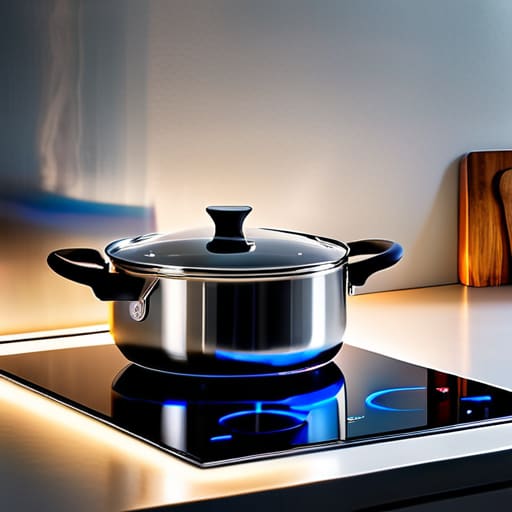
When I’m auditing a kitchen, the “gas vs. electric” debate usually comes up immediately. People often assume gas is the only way to get instant heat, but that’s a bit of a myth when you look at the actual data. Gas burners are notoriously inefficient because so much of that thermal energy escapes into the air around your pots rather than actually heating your food. If you’re comparing gas vs electric efficiency, induction is the real heavyweight champion. It uses electromagnetism to heat the cookware directly, meaning almost zero wasted heat. It’s faster, safer, and significantly better for reducing kitchen electricity consumption compared to old-school radiant electric coils.
That said, I know not everyone can drop a few hundred bucks on a new induction range overnight. If you’re stuck with what you have, focus on sustainable cooking habits instead. If you have a gas stove, use a lid—it sounds basic, but it stops that heat from bleeding out. If you’re on electric, stick to the right-sized burner so you aren’t heating up empty air. It’s about making the most of your current setup without needing a massive renovation.
Smart Kitchen Energy Management for Every Budget
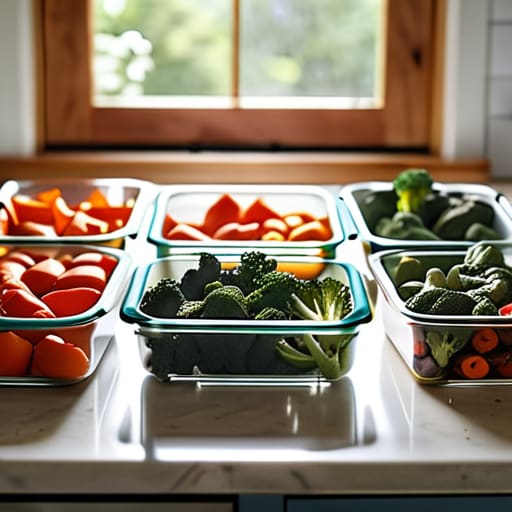
If you aren’t ready to drop a few hundred bucks on a new induction cooktop, don’t sweat it. Real smart kitchen energy management is more about how you use what you already have than buying the latest shiny gadget. I always tell my clients that timing is everything. If you can, try to batch your cooking. Instead of turning the oven on three separate times for dinner, a Sunday afternoon session of low energy meal prep techniques—like roasting a large batch of veggies or proteins at once—can significantly cut down your total usage for the week.
Another thing I notice during my audits is how much heat we let escape simply through poor habits. If you’re using a pot, always keep the lid on; it’s a tiny change, but it keeps the thermal energy exactly where it belongs. For those looking to invest slightly more, focusing on energy saving cooking appliances like air fryers or high-quality electric kettles can be a game changer. These tools are much more efficient at heating small volumes than a massive oven, helping you keep your footprint small without needing a massive budget.
Small Tweaks to Slash Your Cooking Energy Bills
- Match your pot size to your burner. If you’re using a tiny saucepan on a massive electric hob, you’re basically just paying to heat up the air in your kitchen instead of your food. It’s a waste of power that’s easy to spot.
- Keep the lid on. It sounds basic, but it’s a game-changer. Using a lid traps the heat right where it belongs—on your food—which means you can turn the temperature down and still get the job done faster.
- Stop preheating unless you absolutely have to. For most everyday meals, you don’t need twenty minutes of empty oven heat. Just pop your food in once it’s reached temperature, or better yet, let the residual heat do the final stretch of the work.
- Use the “residual heat” trick. If you’re using an electric stove, turn the burner off a few minutes before your food is actually done. The plate stays hot enough to finish the job without drawing another watt of electricity.
- Master the art of one-pot meals. Beyond just making cleanup easier, cooking everything in a single vessel minimizes the amount of energy needed to heat up multiple surfaces. It’s efficient, simple, and keeps my utility bills from spiking.
The Bottom Line on Cooking Smarter
You don’t need a full kitchen remodel to see a difference; small habits like using lids on pots and matching pan size to your burner can cut wasted heat instantly.
Always prioritize efficiency over convenience—if you’re just boiling water, use a kettle instead of the stove to keep your energy usage focused and your bills lower.
Stop letting heat escape; whether it’s through an unsealed oven door or an oversized burner, managing where your energy goes is the fastest way to save money.
The Real Cost of a Hot Meal
We often focus so much on the price of the groceries that we completely ignore the invisible cost of the energy used to cook them; true efficiency isn’t about buying expensive gadgets, it’s about making sure none of the heat you pay for escapes into thin air.
Tobias Nkemdirim
Making the Switch
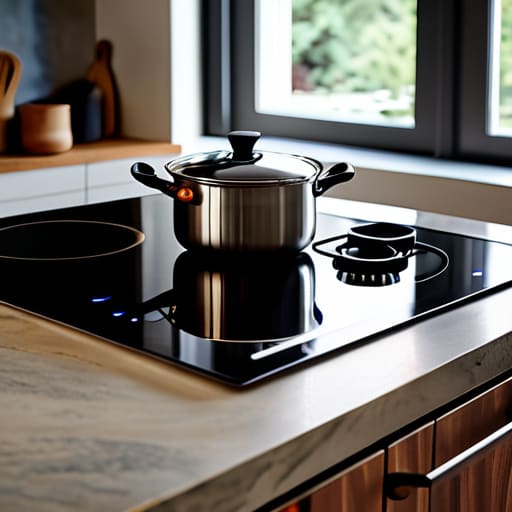
At the end of the day, cooking more efficiently isn’t about buying every high-tech gadget on the market. It’s about understanding how your kitchen actually works—whether that means choosing induction over gas when you can afford the upgrade, or simply remembering to use a lid to keep the heat where it belongs. We’ve looked at how to manage your energy usage without needing a massive budget, focusing on smart habits and minor adjustments that prevent power from just vanishing into thin air. By being intentional about how we heat our food, we can stop the unnecessary drain on our wallets and our local grid.
I know it can feel overwhelming to try and “live green” when everything seems designed to be convenient and wasteful. But I promise you, sustainability isn’t an all-or-nothing game. You don’t need to overhaul your entire kitchen overnight to make a difference. Start with one small change—maybe it’s just being more mindful of your burner size or timing your meal prep better. Every bit of energy you save is a win for your bank account and a step toward a smaller footprint. Let’s stop letting good energy go to waste just because it’s easier to be careless.
Frequently Asked Questions
Is it actually worth the upfront cost to switch from my old gas stove to an induction cooktop?
Honestly, it depends on your math. If you’re looking at pure energy conversion, induction wins every time—it’s incredibly efficient because it heats the pan, not the air around it. But for most people, the “worth” isn’t just the utility bill; it’s the speed and the indoor air quality. If you can swing the upfront cost, the long-term savings and the fact that your kitchen won’t feel like a sauna make it a solid investment.
How much of a difference does using a microwave or air fryer really make compared to a standard oven?
It’s a massive difference. I’ve run the numbers on this plenty of times. A standard oven is a huge energy hog because you’re heating a massive, insulated box just to cook one chicken breast. An air fryer or microwave uses way less energy because the volume of air or waves being directed is much smaller. If you’re just reheating leftovers or cooking a single portion, ditch the oven. Your utility bill will definitely thank you.
Are there specific types of cookware that help heat transfer more efficiently and save power?
Honestly, your choice of pans matters more than most people realize. If you’re using thin, cheap aluminum, you’re losing heat everywhere. I always recommend heavy-bottomed stainless steel or cast iron; they hold thermal mass way better, meaning once they’re hot, they stay hot. If you’re on an induction cooktop, make sure your cookware is magnetic—if a magnet sticks to the bottom, you’re good. It’s a small tweak, but it stops energy from just vanishing into thin air.
