
I remember standing in a client’s garage last November, clicking my infrared thermometer against a brand-new lithium setup, only to realize the whole system was basically choking itself. They had spent a small fortune on high-end panels, but because they ignored solar battery compatibility, the inverter and the storage unit were speaking two different languages. It wasn’t just a technical glitch; it was a massive waste of money that could have gone toward better insulation or more efficient appliances. Most people think you can just plug any battery into any solar array and call it a day, but that’s a dangerous myth that leaves your hard-earned savings leaking out of your system like heat through a cracked window.
I’m not here to sell you on some overpriced, proprietary ecosystem that locks you into a single brand for life. My goal is to give you the straight talk on how to match your hardware so you actually get the energy independence you were promised. I’ll walk you through the technical specs without the jargon, focusing on what actually matters for your wallet and your home’s efficiency. We’re going to make sure your setup is built to last, not just built to look good on a brochure.
Table of Contents
- Mastering Inverter and Battery Matching Without Breaking the Bank
- Why Voltage Requirements for Solar Batteries Actually Matter
- 5 Ways to Avoid a Costly Compatibility Nightmare
- The Bottom Line on Getting It Right
- ## The Real Cost of Getting it Wrong
- Getting It Right the First Time
- Frequently Asked Questions
Mastering Inverter and Battery Matching Without Breaking the Bank

Here is the core issue: most people treat their inverter and battery like two separate appliances, but they need to act like a single, synchronized unit. If you ignore the voltage requirements for solar batteries, you’re essentially inviting a breakdown. I’ve seen too many setups where a high-end inverter is paired with a battery that can’t keep up, leading to massive energy losses that show up directly on your utility bill. You need to ensure your hardware speaks the same language; this is where BMS communication protocols become non-negotiable. Without that digital handshake between the battery management system and your inverter, you’re just guessing at your state of charge.
Don’t fall into the trap of buying the cheapest option just to save a few bucks upfront. I often see people debating LiFePO4 vs lead acid compatibility, thinking they can just swap one for the other mid-stream. It’s a mistake. A lithium setup offers much better efficiency, but only if your inverter is specifically designed to handle those discharge profiles. Focus on seamless integration rather than just slapping parts together. If the tech doesn’t align, you aren’t saving money—you’re just subsidizing inefficiency.
Why Voltage Requirements for Solar Batteries Actually Matter

Think of voltage like the pressure in a water pipe; if the pressure is too high or too low, nothing flows correctly. When we talk about voltage requirements for solar batteries, we aren’t just discussing numbers on a spec sheet—we’re talking about the fundamental physics that keep your lights on. If you try to pair a 48V battery bank with a 24V inverter, you aren’t just making a mistake; you’re risking a hardware meltdown that will cost you far more than the initial savings.
This is where most people trip up during solar storage system integration. It’s tempting to just look at the total capacity (kWh) and assume everything will play nice, but the voltage must align perfectly for the system to even initialize. Beyond the raw numbers, you have to consider how the inverter manages the load. A mismatch doesn’t just lead to inefficiency; it can cause your inverter to constantly trip or, worse, fry the internal circuitry. Getting this right is the difference between a reliable setup and an expensive pile of scrap metal.
5 Ways to Avoid a Costly Compatibility Nightmare
- Check your inverter’s “charge profile” before you buy. If your inverter is designed for lead-acid but you’re trying to force a lithium setup, you’re basically asking for a premature (and expensive) hardware failure.
- Watch the Depth of Discharge (DoD) limits. Not all batteries are equal; if your system isn’t synced to the battery’s specific DoD, you’ll end up draining it too deep and killing the lifespan before you’ve even seen the ROI.
- Don’t ignore the communication protocol. Modern smart batteries need to “talk” to your inverter via CAN or RS485; if they can’t handshake, your system won’t manage energy flow intelligently, leaving you with a dumb, inefficient setup.
- Match your continuous discharge rate to your heavy hitters. If you’ve got a high-draw appliance like a fridge or a pump, ensure your battery can actually output that much current without the inverter tripping a fault.
- Size your capacity to your actual usage, not just the “big numbers” on the spec sheet. I’ve seen too many people buy massive, incompatible banks that they can’t actually charge fully with their existing solar array.
The Bottom Line on Getting It Right
Don’t just look at the price tag; if your battery and inverter aren’t speaking the same language (voltage-wise), you’re basically throwing money into a heat leak.
Always double-check the discharge rates and communication protocols before you buy, because a mismatched setup won’t just underperform—it can actually shorten the lifespan of your expensive gear.
Think of compatibility as the foundation of your system; it’s better to spend an extra hour researching the specs now than to spend hundreds fixing a system that refuses to charge properly later.
## The Real Cost of Getting it Wrong
“I’ve seen too many people drop thousands on a solar setup only to realize their battery and inverter are speaking two different languages. If the specs don’t align, you aren’t just losing efficiency—you’re literally watching your hard-earned savings leak out of a system that was never meant to work together.”
Tobias Nkemdirim
Getting It Right the First Time
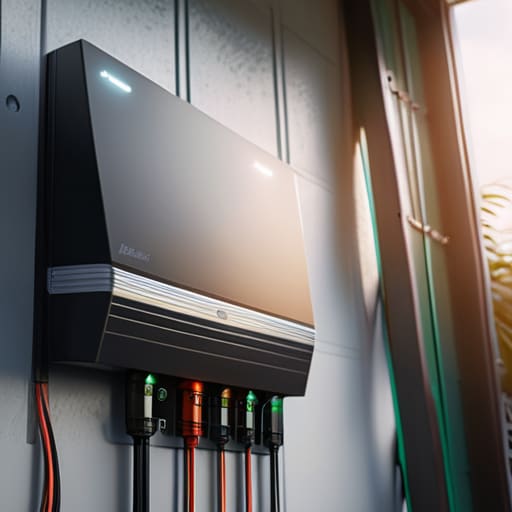
At the end of the day, solar battery compatibility isn’t just some technical hurdle to jump over; it is the difference between a system that actually works and a massive, expensive paperweight sitting in your garage. We’ve looked at how matching your inverter to your battery chemistry is non-negotiable and why ignoring voltage requirements is a fast track to frying your hardware. Don’t let a “good deal” on a mismatched component trick you into wasting the money you’ve already invested. If you take the time to double-check your specs now, you’ll ensure your setup remains reliable and cost-effective for years to come.
Transitioning to renewable energy shouldn’t feel like a gamble. I know how frustrating it is to see utility bills climb when you’re trying to do the right thing for the planet, but building a sustainable home is a marathon, not a sprint. By focusing on these smart, compatible upgrades, you aren’t just saving a few bucks on your next electricity statement—you are building a resilient foundation for a lower-carbon lifestyle. Let’s stop the guesswork and start making sure our tech actually works as hard as we do.
Frequently Asked Questions
Can I just add a new battery to my existing setup even if it's a different brand?
Look, I get the temptation—you’ve got a bit of extra budget and want more storage right now. But honestly? Don’t do it. Mixing brands is a recipe for a headache. Even if the specs look similar on paper, different manufacturers use different Battery Management Systems (BMS). If they don’t “talk” to each other perfectly, you risk uneven charging, which kills your capacity and wastes money. Stick to the same brand to keep things efficient.
What happens to my inverter if I try to push more power through it than it's rated for?
Think of your inverter like a bridge with a weight limit. If you try to drive a massive truck across a bridge meant for cars, things are going to break. In technical terms, you’ll likely trigger an overload protection shutdown, which is annoying but safe. However, if that fails, you’re looking at fried components or even a permanent hardware failure. Don’t gamble your investment; match your load to your rating to avoid expensive repairs.
Is it actually worth paying extra for a "smart" battery that talks to my inverter, or is that just marketing fluff?
Look, I’ve seen enough mismatched setups to know that “smart” isn’t always just a buzzword. If your battery and inverter actually communicate, you aren’t just guessing how much juice you have left; you’re optimizing exactly when to draw from the cells. It prevents the kind of micro-inefficiencies that bleed your savings over time. If you can afford the slight premium, do it. It’s better to pay for data now than to waste energy later.
