I remember standing on a client’s roof last November, clicking my infrared thermometer against a mounting bracket, and realizing the system they’d spent thousands on was basically just expensive decoration. They had no idea their output had dropped by 30% because of a single faulty inverter, simply because they thought “set it and forget it” was a valid strategy. Most people treat solar panel performance monitoring like some high-tech luxury for the wealthy, but that’s a total myth. In reality, if you aren’t actively watching your data, you aren’t actually saving money; you’re just hoping for the best, and hope is a terrible way to manage a budget.
I’m not here to sell you on overpriced, proprietary software or complex setups that require a PhD to navigate. My goal is to show you how to use simple, data-driven tools to catch leaks in your energy production before they wreck your monthly bills. I’ll walk you through the practical ways to track your output so you can stop guessing and start seeing the actual return on your investment. Let’s get your system working as hard as you do.
Table of Contents
- Mastering Solar Energy Yield Optimization Without Breaking the Bank
- Using Cloud Based Solar Monitoring Software to Guard Your Savings
- 5 Ways to Spot Energy Leaks Before They Hit Your Wallet
- The Bottom Line on Keeping Your Solar Efficient
- ## Stop Guessing, Start Measuring
- Making Every Photon Count
- Frequently Asked Questions
Mastering Solar Energy Yield Optimization Without Breaking the Bank
Look, I get it. When you first invest in solar, you expect the savings to just roll in automatically. But if you aren’t actually looking at the data, you’re essentially flying blind. You don’t need a massive budget or a degree in electrical engineering to get this right; you just need to be proactive. Most of the time, a dip in your output isn’t a system failure—it’s usually something as simple as dust buildup or a slightly shaded corner you overlooked.
The trick is moving beyond just checking your app once a month. I’m a big believer in using solar inverter telemetry to catch the small stuff before it turns into a massive repair bill. By keeping an eye on those real-time data streams, you can spot weird fluctuations early. This kind of predictive maintenance for solar arrays is what separates people who actually see a return on their investment from those who just have expensive glass sitting on their roof. It’s about being smart with what you’ve already spent.
Using Cloud Based Solar Monitoring Software to Guard Your Savings
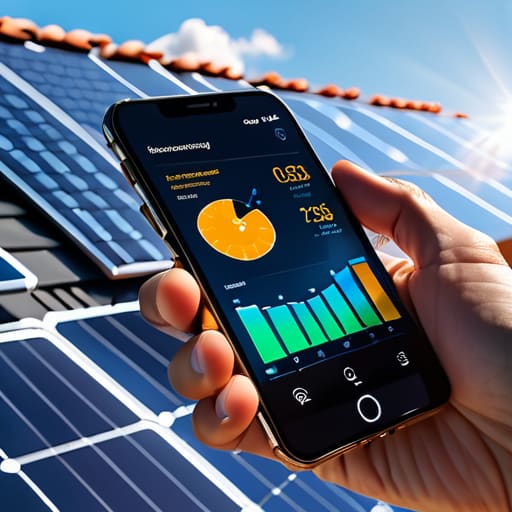
I used to think checking my solar output meant squinting at a tiny screen on my inverter, but that’s a massive waste of time. Nowadays, I rely heavily on cloud-based solar monitoring software to do the heavy lifting for me. These platforms pull data directly from your system, giving you a real-time look at exactly how much power you’re generating without you having to lift a finger. It’s not just about seeing a pretty graph; it’s about knowing if your setup is actually pulling its weight or if something is quietly dragging your efficiency into the dirt.
The real value comes when you start digging into the data. By utilizing solar inverter telemetry, you can spot tiny fluctuations that usually go unnoticed. I’ve caught several instances where a single failing string was causing a dip in production long before it became a total system failure. This kind of predictive maintenance for solar arrays is a total game-changer for your wallet. Instead of waiting for a massive repair bill, you can catch the glitch early, fix it fast, and keep your energy savings from leaking away.
5 Ways to Spot Energy Leaks Before They Hit Your Wallet
- Keep an eye on your daily yield patterns; if your production drops significantly on a clear day, you likely have a hardware issue or heavy shading that needs immediate attention.
- Don’t just look at the big numbers—check the efficiency of individual panels if your system allows it, because one underperforming unit can drag down the output of your entire array.
- Use your smartphone to track real-time data against local weather reports so you can distinguish between a cloudy day and a genuine system malfunction.
- Schedule regular physical inspections to clear away debris like fallen leaves or bird droppings, which can create “hot spots” and kill your efficiency faster than you’d think.
- Set up automated alerts on your monitoring app to ping you the second production dips below a certain threshold, so you aren’t finding out about a problem only when the monthly bill arrives.
The Bottom Line on Keeping Your Solar Efficient
Don’t just install your panels and walk away; you need to actively track your output to catch underperforming hardware before it drains your wallet.
Use data, not guesswork, to spot patterns—if your yield drops on a sunny day, you’ve likely got a maintenance issue or a dirty panel that needs attention.
Prioritize software that gives you real-time visibility so you can stop wasting energy and start making sure every bit of sunlight is actually paying off.
## Stop Guessing, Start Measuring
“I’ve spent enough time auditing drafty houses to know that you can’t fix what you aren’t tracking. Monitoring your solar output isn’t just some high-tech hobby; it’s the only way to know if your investment is actually working for you or if you’re just letting potential savings leak out of your system like heat through a cracked window.”
Tobias Nkemdirim
Making Every Photon Count
At the end of the day, monitoring your solar setup isn’t just about fancy apps or watching graphs move on a screen; it’s about taking control of your overhead. We’ve covered how to optimize your energy yield without needing a massive budget and why cloud-based software is your best defense against unexpected efficiency drops. By staying on top of the data, you stop treating your solar array like a “set it and forget it” appliance and start treating it like the valuable financial asset it actually is. Don’t let a single dusty panel or a faulty inverter quietly bleed your savings dry while you aren’t looking.
I know it can feel overwhelming to manage all these technical details, but remember that sustainability shouldn’t be a luxury reserved for the wealthy. Every kilowatt-hour you track and every inefficiency you fix is a step toward a home that works for you, not against your wallet. You don’t need to be an engineer to make a difference; you just need to be observant and proactive. Start small, keep your eyes on the data, and let’s stop letting our hard-earned energy slip through the cracks. It’s time to make your home work harder for both your budget and the planet.
Frequently Asked Questions
Do I actually need a fancy monitoring system, or can I just check my meter once a month to see if it's working?
Look, I get the temptation to just check the meter once a month, but that’s like trying to diagnose a leak by waiting until your floor is soaked. Checking monthly only tells you that you lost money; it doesn’t tell you why. A simple monitoring system catches issues—like a dirty panel or a faulty inverter—the moment they happen. It’s about catching the waste before it turns into a massive, unnecessary bill.
How can I tell the difference between a panel that's just dirty and one that's actually broken?
I usually grab my infrared thermometer for this. If a single cell or a small patch of the panel is significantly hotter than the rest, that’s a red flag for a “hot spot”—which usually means a cell is failing or broken. If the whole panel just looks dull or shows uneven shading, it’s likely just grime or bird droppings. Clean it first; if your yield doesn’t jump back up, you’ve likely got a hardware issue.
Is it worth spending extra money on high-end software if I'm only running a small, residential setup?
Honestly? For a small residential setup, no. Don’t get sucked into the trap of paying for enterprise-grade software you don’t need. Most high-end platforms are built for commercial solar farms with massive data requirements. If you’re just trying to keep your home bills low, stick to the app that came with your inverter or a solid, free monitoring tool. Your goal is efficiency and savings, not a complex data dashboard that costs more than the energy it saves.
