I spent most of last Tuesday staring at a utility bill that looked more like a phone number than a monthly expense, and it hit me: people are being sold this idea that owning an EV is a luxury reserved for those with massive solar arrays and high-end smart homes. There’s this pervasive myth that electric vehicle charging has to be this complex, high-tech ritual that drains your wallet just as fast as it drains your battery. Honestly, it’s exhausting. We get caught up in the hype of expensive hardware and proprietary networks, completely ignoring the fact that efficiency is actually about strategy, not just how much gear you can buy.
I’m not here to sell you on some futuristic lifestyle you can’t afford; I’m here to show you how to make it work with what you actually have. In this guide, I’m stripping away the marketing fluff to give you the practical, data-backed ways to manage your electric vehicle charging without breaking the bank. We’re going to talk about timing, load management, and those small, smart adjustments that keep your costs low and your carbon footprint even lower.
Table of Contents
- Level 2 Charging vs Level 1 Finding Your Sweet Spot
- Smart Charging Solutions That Protect Your Wallet and Planet
- 5 Practical Ways to Stop Overpaying for Your EV Charge
- The Bottom Line on Charging Smartly
- ## Efficiency is about more than just the plug
- Making the Most of Your Miles
- Frequently Asked Questions
Level 2 Charging vs Level 1 Finding Your Sweet Spot
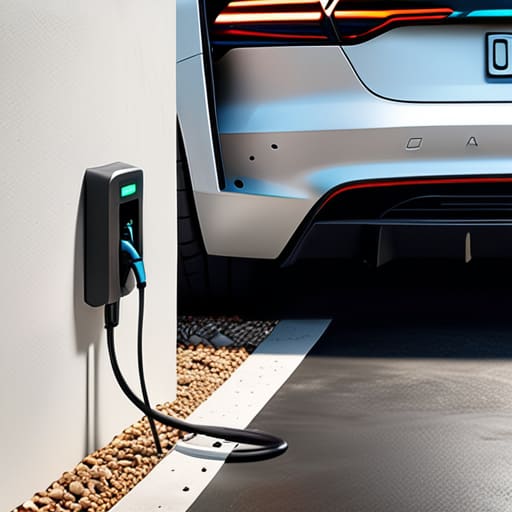
When I first started auditing homes, I realized most people treat their EV like a smartphone—just plugging it in whenever they remember. But if you’re relying solely on a standard wall outlet, you’re stuck in the slow lane. Comparing level 2 charging vs level 1 usually comes down to your daily mileage and your patience. Level 1 is basically just using your existing household socket; it’s fine for a plug-in hybrid or if you barely drive, but for a full EV, it can feel like trying to fill a swimming pool with a teaspoon.
If you have the budget, installing a dedicated Level 2 station is the real game-changer for efficiency. It uses a 240V connection—similar to what your dryer uses—to deliver a much more robust flow of power. This isn’t just about speed; it’s about smart charging solutions that allow you to top up fully overnight without stressing your home’s electrical system. For most of my clients, finding that sweet spot means having a Level 2 setup at home so they never have to worry about whether they’ll have enough juice for the morning commute.
Smart Charging Solutions That Protect Your Wallet and Planet
If you want to stop bleeding money on utility bills, you need to look beyond just plugging in. This is where smart charging solutions actually pay for themselves. Instead of letting your car pull power the second you get home—usually when peak demand makes electricity most expensive—you can program your charger to wait until the middle of the night. I always tell my clients that it’s about working with the grid, not against it. By shifting your load to off-peak hours, you aren’t just saving cash; you’re ensuring your car is pulling from a cleaner, more stable energy mix.
It’s also worth getting a bit technical with your hardware. A charger equipped with an integrated battery management system does more than just move electrons; it monitors the health of your vehicle’s cells to prevent unnecessary degradation. I’ve seen too many people rush into using high-speed options when they don’t need to, which can be a waste of both time and energy. If you’re charging at home, patience is your best efficiency tool. Slow, controlled sessions are much kinder to your car’s longevity and your monthly budget.
5 Practical Ways to Stop Overpaying for Your EV Charge
- Stop charging during peak hours. Most utility companies charge a premium when everyone else is running their AC or appliances; if you can, set your car to pull power late at night or early in the morning when rates drop.
- Check your home’s electrical capacity before installing a heavy-duty charger. I’ve seen too many people spend a fortune on a Level 2 setup only to realize their home’s panel can’t handle the load without a massive, expensive upgrade.
- Use a smart plug or integrated app to monitor your actual consumption. You can’t fix what you don’t measure, and seeing the real-time data helps you spot if your charger is drawing more power than it should.
- Don’t obsess over a “full” charge every single night. If you’re just commuting locally, keeping your battery between 20% and 80% is often more efficient for the long-term health of the cells and keeps your daily energy draw predictable.
- Inspect your charging cable and port regularly for any signs of wear or debris. It sounds nitpicky, but a poor connection creates resistance, and resistance creates heat—which is just wasted energy that you’re paying for.
The Bottom Line on Charging Smartly
You don’t need a high-end home setup to be efficient; choosing between Level 1 and Level 2 is about matching your daily mileage to your actual hardware needs so you aren’t over-investing.
Automation is your best friend—using smart charging apps to time your sessions avoids peak rates and ensures you’re pulling power when it’s cleanest and cheapest.
Efficiency isn’t just about the car; it’s about managing your home’s total load so that charging your vehicle doesn’t turn into an accidental energy drain on your wallet.
## Efficiency is about more than just the plug
“Charging an EV shouldn’t feel like a luxury or a logistical headache; it’s just about being smart with when and how you draw power so you aren’t paying a premium for energy that could have been cheaper and cleaner if you’d just timed it right.”
Tobias Nkemdirim
Making the Most of Your Miles
At the end of the day, optimizing your EV charging isn’t about buying the most expensive hardware on the market; it’s about being intentional with how you use the grid. We’ve looked at how choosing the right level of charging can save you time, and how smart, scheduled charging can keep your costs down while minimizing your carbon footprint. Whether you’re sticking to a simple Level 1 setup or investing in a more robust Level 2 station, the goal is the same: stop treating energy like an infinite resource and start treating it like the valuable asset it actually is.
I know that transitioning to electric can feel like a massive, expensive leap, but these small shifts in your daily routine are where the real impact happens. You don’t need a solar-powered mansion to make a difference; you just need to be a little more observant of how your home and car interact. If we all take a second to stop wasting energy just because it’s convenient, we can build a future that is both affordable and sustainable. Let’s stop overpaying for power and start using it smarter.
Frequently Asked Questions
Is it actually better for my battery's long-term health to charge to 100% every night, or should I stick to that 80% rule?
Look, I get the urge to top it off to 100% so you’re ready to go, but if you want that battery to last, stick to the 80% rule. Think of it like this: keeping a battery constantly topped up at max capacity is like keeping a rubber band stretched to its limit—eventually, it loses its snap. Charging to 80% reduces chemical stress, meaning you won’t be facing a massive battery replacement bill down the road.
How much will my monthly electricity bill actually jump if I start charging a heavy-duty EV every single day?
Look, I get the anxiety. I’ve run the numbers on enough audits to know that a sudden spike in your utility bill is the last thing anyone wants. For a heavy-duty EV, you’re likely looking at an extra $30 to $60 a month, depending on your local kWh rates. It’s not a massive jump, but if you’re charging during peak hours, that cost creeps up fast. Aim for off-peak windows to keep it lean.
Can I safely run a Level 2 charger on an older home's electrical system without risking a fire or tripping the breakers?
Honestly? You shouldn’t touch it without a proper audit first. I’ve seen too many older homes with outdated wiring that just isn’t built for that kind of continuous, heavy load. If your panel is already maxed out, a Level 2 charger is a recipe for tripped breakers or, worse, overheating wires. Grab your thermometer—or better yet, call an electrician—to check your service capacity before you plug anything in. Safety over convenience, always.
