I still remember sitting in my old rental apartment, shivering under three blankets because the heating bill was more intimidating than the actual winter chill. I’d watch the thermostat climb, only to feel that same drafty cold creeping in ten minutes later. Most people think that transitioning to smart home energy systems requires a massive tech budget or a house full of expensive, interconnected gadgets that you’ll eventually stop using. They sell you this dream of a “seamless automated lifestyle,” but they rarely mention that most of these high-end setups are just expensive distractions from the real problem: basic energy waste.
I’m not here to sell you on a lifestyle of shiny, overpriced sensors that do nothing but ping your phone. My goal is to cut through the marketing fluff and show you how to actually use technology to stop bleeding money through your walls and outlets. I’ll be sharing practical, data-backed ways to integrate smart tech that actually moves the needle on your utility bills. We’re going to focus on low-cost, high-impact shifts that make your home efficient without making you go broke.
Table of Contents
Reducing Electricity Bills With Iot Without the High Price Tag
Most people hear “smart home” and immediately think of expensive, integrated systems that cost more than a month’s rent. But you don’t need a massive budget to start reducing electricity bills with IoT. I always tell my clients to start small—think of it as an incremental audit rather than a total overhaul. A simple smart plug is often the best entry point. By plugging your coffee maker or that old lamp into a smart plug, you can set schedules that ensure they aren’t drawing “phantom power” while you’re asleep or at work.
If you want to see the real impact, I recommend looking into real-time power consumption tracking. There are some incredibly affordable sensors you can clip onto your breaker box or plug into outlets that show you exactly where your money is leaking. It’s one thing to guess that your old fridge is a power hog; it’s another thing entirely to see the data on your phone. Once you see the numbers, the motivation to make changes becomes dead simple. You aren’t just saving money; you’re reclaiming control over your own space.
Real Time Power Consumption Tracking to Stop Hidden Waste
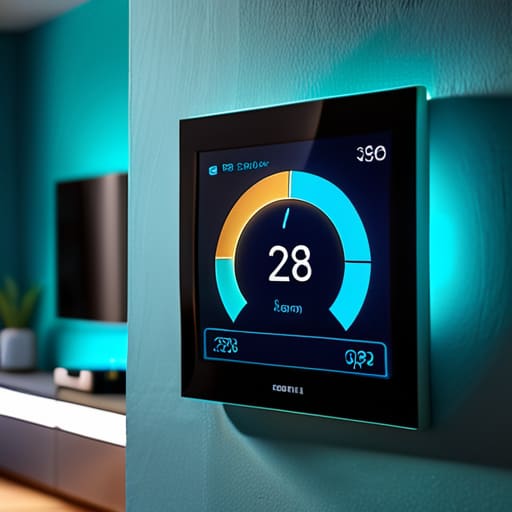
Most people I audit are shocked when I point my infrared thermometer at a wall and show them exactly where the heat is escaping, but the real “ghosts” in your home are electrical. You might think you’re being careful by turning off the lights, but you’re likely still bleeding money through phantom loads. This is where real-time power consumption tracking becomes a game-changer. Instead of guessing which appliance is driving your costs up, you can see the exact wattage being pulled in the moment it happens. It turns invisible waste into hard data you can actually act on.
I always suggest starting small with smart plug energy management to tackle those sneaky culprits like old gaming consoles, coffee makers, or desktop setups that stay in standby mode all night. When you can see the live spikes on your phone, you stop treating your utility bill like a mystery and start treating it like a budget. It’s not about buying every gadget on the market; it’s about using data to eliminate the waste you didn’t even know was there.
5 Low-Cost Moves to Tighten Up Your Energy Profile
- Stop the drafts with smart weather stripping. I’ve used my infrared thermometer more times than I can count to find tiny gaps around window frames; sealing these with simple, smart-fit weather stripping is the cheapest way to stop your heat from literally escaping into the street.
- Get smart plugs for your “vampire” electronics. Most of us have devices—like gaming consoles or old coffee makers—that pull power even when they’re turned off; plugging them into a cheap smart plug allows you to cut the connection entirely via your phone so they aren’t sipping electricity 24/7.
- Automate your lighting based on actual presence. You don’t need an expensive whole-home system; just installing a few motion-sensor smart bulbs in hallways or bathrooms ensures you aren’t paying to light up an empty room just because you forgot to flick a switch.
- Optimize your thermostat’s “learning” phase. If you use a smart thermostat, don’t just set it and forget it; spend a week feeding it accurate data about when you’re actually home so it can aggressively drop the temperature when you’re out, rather than heating an empty house.
- Use smart blinds to manage thermal gain. In the summer, I always suggest smart blinds that close automatically when the sun hits a certain intensity; it uses a tiny bit of power to run the motor, but it saves a massive amount of energy by preventing your living room from turning into a greenhouse.
The Bottom Line on Smart Efficiency
You don’t need a fully automated, high-tech mansion to see results; start with small, targeted IoT devices that tackle your biggest energy drains first.
Data is your best friend—if you aren’t tracking your real-time usage, you’re essentially just guessing where your money is leaking out.
Sustainability shouldn’t be a luxury, so focus on smart upgrades that pay for themselves through lower utility bills in the long run.
The Real Cost of Convenience
We’ve been conditioned to think that “smart” means buying every shiny new gadget on the market, but true energy intelligence is actually about visibility. It’s about finally seeing exactly where your money is leaking through the walls so you can stop paying for energy you aren’t even using.
Tobias Nkemdirim
The Bottom Line on Smart Energy
At the end of the day, transitioning to a smarter home doesn’t require a complete overhaul of your lifestyle or a massive upfront investment. We’ve looked at how low-cost IoT devices can automate your savings and how real-time tracking pulls the curtain back on those invisible energy drains that quietly inflate your monthly statements. By focusing on data rather than guesswork, you stop paying for power you aren’t actually using. It’s about moving away from the “set it and forget it” mentality and instead using simple technology to take back control of your utility costs and your environmental footprint.
I know it can feel overwhelming to think about sustainability when you’re just trying to make ends meet, but remember that every small tweak matters. You don’t need a solar-powered mansion to make a difference; you just need to be intentional about how you inhabit your space. Whether it’s a smart plug or a simple monitoring app, these tools are your allies in the fight against waste. Let’s stop treating energy efficiency like a luxury reserved for the wealthy and start treating it like the essential survival skill it actually is. Your wallet—and the planet—will thank you.
Frequently Asked Questions
Are these smart devices actually going to save me more money than they cost to buy in the first place?
It’s the million-dollar question, right? Honestly, if you just buy gadgets for the sake of having a “smart home,” you’ll lose money. But if you use them to target specific leaks—like a smart thermostat that actually learns your schedule or plugs that kill vampire power—they pay for themselves. I always look at the ROI. If a $30 sensor stops a $10-a-month waste, you’ve broken even in three months. That’s a win.
Will adding all these IoT gadgets to my home make my network less secure or more complicated to manage?
It’s a valid concern. Adding more devices definitely increases your “attack surface,” and if you aren’t careful, your Wi-Fi can get cluttered. I always tell my clients: don’t just buy every gadget on sale. Stick to reputable brands and, if you can, set up a separate guest network just for your IoT gear. It keeps your main computers isolated and makes managing the traffic much simpler. Keep it intentional, not just cluttered.
Can I integrate these energy-saving tools into an older home that wasn't originally built for smart tech?
Absolutely. In fact, older homes are exactly where I see the most potential for impact. You don’t need to rip out your walls or rewire the whole place to see results. Most smart tech—like smart plugs, wireless sensors, or even just a smart thermostat—is designed to sit on top of your existing setup. I’ve audited plenty of drafty, old builds where a few simple, non-invasive gadgets did more for efficiency than a full renovation ever could.
