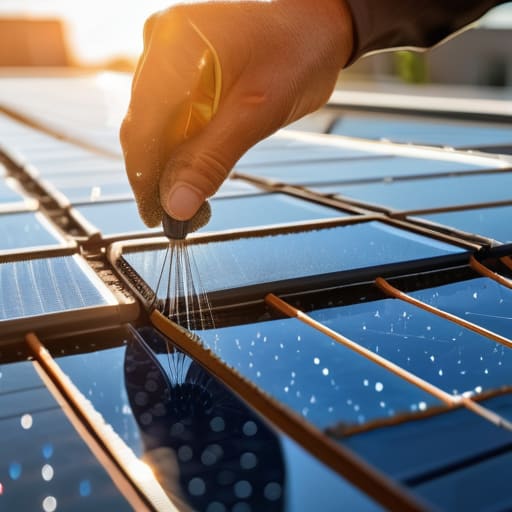
I was auditing a small bungalow last month when the homeowner pointed proudly at his pristine, high-end solar array, yet his energy production numbers were absolutely tanking. He’d been told that solar is “set it and forget it,” a convenient lie sold by people who don’t care about your monthly overhead. The truth is, neglecting basic solar panel maintenance is basically like leaving a window cracked open in mid-winter; you’re literally watching your hard-earned investment leak money right through the roof. Most people think they need a specialized technician and a massive service contract to keep things running, but that’s just expensive fluff designed to pad someone else’s pocket.
I’m not here to sell you on complex engineering or high-priced maintenance packages that you don’t actually need. My goal is to give you the straight, data-driven reality of what it takes to keep your system performing at its peak without breaking the bank. I’ll show you the few, high-impact tasks that actually move the needle, so you can stop wasting power and start seeing the real savings you were promised when you first went solar.
Table of Contents
Simple Solar Panel Debris Removal to Protect Your Savings
I’ve seen it too many times during my audits: a homeowner thinks their system is failing, but it’s actually just buried under a layer of grit. Whether it’s fallen leaves from a nearby oak or a buildup of pollen, even a thin film can cause significant solar panel shading issues. When light can’t hit the cells directly, your production drops, and you end up paying the utility company for power you should have been generating for free.
Performing regular solar panel debris removal doesn’t require a degree in engineering, but it does require a bit of discipline. I usually recommend a gentle rinse with a garden hose—never a high-pressure washer, as you’ll crack the glass—once or twice a year. If you notice stubborn spots, a soft brush and some water usually do the trick. It’s one of those small, low-cost habits that goes a long way toward maximizing solar energy output and ensuring you actually get the return on investment you were promised when you first installed the system.
Maximizing Solar Energy Output Without Breaking the Bank
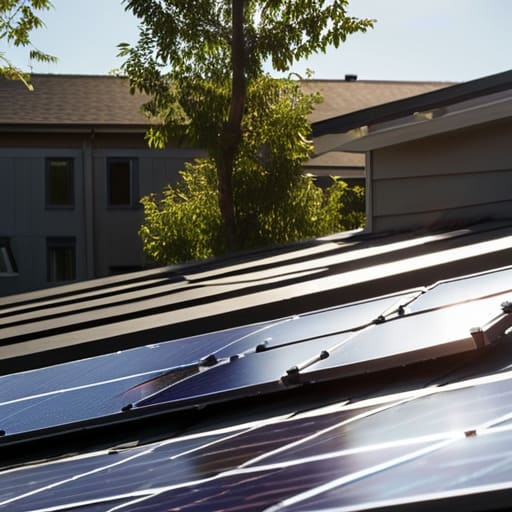
You don’t need a massive budget or a degree in electrical engineering to make sure your setup is actually pulling its weight. Most of the time, the drop in performance people complain about isn’t a broken system; it’s just neglect. I always tell my clients to keep a close eye on solar panel shading issues. A single overgrown branch or even a persistent buildup of grime in one corner can cast a shadow that drags down the efficiency of your entire array. It’s a common trap—you think because they’re up on the roof, they’re “set and forget,” but that’s exactly when you start losing money.
If you want to get serious about maximizing solar energy output, you should schedule an annual solar system checkup. Think of it like an oil change for your house; it’s a small upfront effort that prevents much more expensive repairs down the line. While you’re up there, take a quick look at your inverter. If the lights are flashing weirdly or the display looks off, don’t ignore it—a bit of proactive troubleshooting now can save you from a total system failure during the peak of summer.
Small Checks to Keep Your System From Slacking
- Grab a soft brush or a microfiber cloth to wipe away any stubborn grime; you don’t want a layer of dirt acting like a shade over your investment.
- Keep an eye on your inverter’s display regularly; if the numbers look lower than they should be for a sunny day, something is definitely off.
- Check your mounting hardware once or twice a year to make sure nothing has rattled loose or started to corrode, especially after a bad storm.
- Watch for any shading from overgrown trees or new neighbors’ structures; even a small shadow can tank your entire system’s efficiency.
- Inspect your wiring for any signs of wear or animal damage; a single frayed wire can be the difference between a productive day and a total loss.
The Bottom Line: Keep Your System Efficient
Don’t treat your panels like “set and forget” tech; a little regular cleaning and debris checks are the easiest ways to prevent your energy output from dipping.
Keep a close eye on your monitoring app—if you see a sudden drop in production, it’s usually a sign of a physical issue like dust buildup or a shade problem rather than a hardware failure.
Prioritize low-cost maintenance like sweeping and inspecting connections over expensive professional services to keep your ROI high without draining your bank account.
The Real Cost of Neglect
“I’ve seen too many people treat solar panels like ‘set it and forget it’ tech, but ignoring a little grime is basically just handing money back to the utility companies. A bit of maintenance isn’t just about the gear; it’s about making sure your investment actually pays you back.”
Tobias Nkemdirim
Don't Let Your Investment Go to Waste
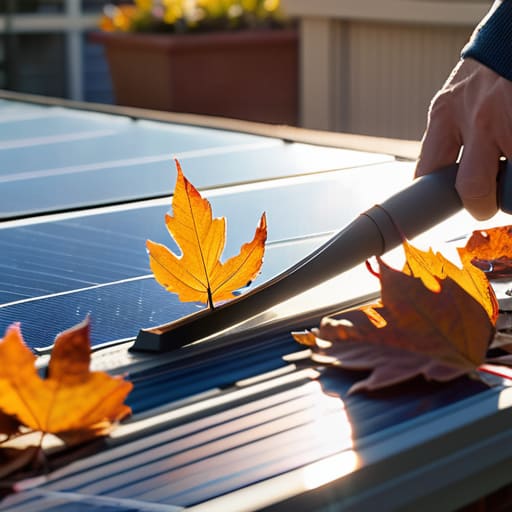
At the end of the day, maintaining your solar setup isn’t about being a perfectionist; it’s about protecting your wallet. We’ve looked at how a little bit of debris removal and some smart, low-cost optimization can keep your energy output from dipping unnecessarily. You don’t need an expensive technician to come out every month to tell you what you can see with your own eyes. By staying on top of the basics—keeping those panels clear and checking for shade—you ensure that your system is actually doing the heavy lifting it was designed to do. It’s about making sure every photon counts toward lowering those monthly utility bills.
I know that sometimes these small maintenance tasks feel like just another thing on an endless to-do list, but I promise you, it’s worth the effort. Transitioning to solar is a massive step toward independence, and keeping it running efficiently is how you actually reclaim control over your energy costs. You don’t need a massive budget to live sustainably; you just need to be intentional with what you already have. Stop letting dust and neglect eat away at your savings. Take a moment this weekend to check your arrays, and let’s keep making smart, efficient choices together.
Frequently Asked Questions
How often do I actually need to clean my panels if I live in an area with low dust or frequent rain?
Honestly, if you’re lucky enough to live somewhere where the rain does the heavy lifting, you don’t need to be out there every week. I’ve found that for low-dust areas, a quick visual check once a quarter is usually plenty. Just grab your infrared thermometer or a camera to see if there’s any actual buildup. If the rain is frequent, nature is basically your free maintenance crew—just don’t get complacent.
Is it safe for me to clean the panels myself, or am I going to risk damaging the cells or voiding my warranty?
Look, I get the hesitation. You don’t want to trade a small cleaning task for a massive repair bill. Generally, yes, you can do this yourself, but there are rules. Avoid high-pressure washers—they can crack the cells or compromise the seals. Stick to a soft brush and water. Most importantly, check your installer’s manual first. If they explicitly say “professional cleaning only,” listen to them so you don’t accidentally void that warranty.
Can I tell just by looking at my energy bills if my panels are underperforming due to dirt or technical issues?
You can’t know for sure with just one glance, but you can definitely spot the red flags. If you notice a sudden, unexplained dip in your energy production—especially when the weather is clear—that’s a huge warning sign. I always check the daily yield data on my monitoring app against the historical averages for that same month. If the numbers are tanking while the sun is shining, you’re likely looking at either heavy grime buildup or a technical glitch.
