
I still remember sitting in my old rental apartment three years ago, wrapped in two blankets and shivering, while staring at a heating bill that felt like a personal insult. I’d just spent a fortune to heat a space that felt like a walk-in freezer, and that was the moment I realized the system was broken. Most people think switching to low carbon heating requires a massive inheritance or a complete home overhaul that leaves you broke, but that’s just marketing nonsense designed to sell expensive, flashy tech. The truth is, we’ve been conditioned to think that sustainability is a luxury item, when it should actually be about stopping the bleed of wasted energy.
I’m not here to sell you on some futuristic, high-cost dream that you can’t actually afford. Instead, I want to show you how to approach heating through the lens of efficiency and real-world data. I’ll be sharing the practical, no-nonsense shifts you can make to transition toward low carbon heating without draining your savings. My goal is to help you build a home that is actually comfortable, truly sustainable, and—most importantly—affordable to run.
Table of Contents
- Transitioning From Fossil Fuel Heating Without Breaking the Bank
- Heat Pump Efficiency vs Gas Boilers Which Actually Saves Money
- Small Wins: 5 Ways to Lower Your Heating Carbon Footprint Right Now
- The Bottom Line on Low Carbon Heating
- The Real Cost of Staying Stuck
- Making the Switch
- Frequently Asked Questions
Transitioning From Fossil Fuel Heating Without Breaking the Bank

I get it—the idea of ripping out a perfectly functional gas boiler feels intimidating, especially when you’re looking at the upfront costs. Most people think they need to drop a fortune on a complete home overhaul to start transitioning from fossil fuel heating, but that’s just not the reality. You don’t have to go from zero to a fully electrified smart home overnight. I often tell my clients to start with what they can control: the envelope of the house itself. If your insulation is trash, even the most expensive system will struggle to keep up.
Once you’ve tightened things up, you can start looking at more permanent shifts. When comparing heat pump efficiency vs gas boilers, the math usually favors the heat pump in the long run because you’re moving heat rather than creating it through combustion. It’s about working smarter, not harder. You can phase in these changes by focusing on high-impact areas first, ensuring that every pound you spend actually contributes to reducing your household carbon footprint without leaving your bank account empty.
Heat Pump Efficiency vs Gas Boilers Which Actually Saves Money
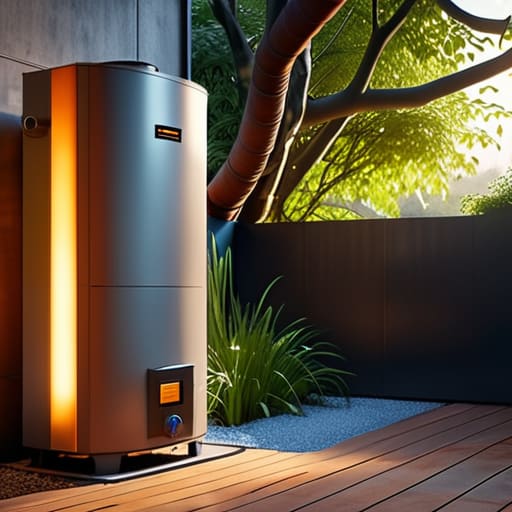
When I’m out on an audit, I often see people staring at their monthly gas bills with pure frustration. They know their boiler is an old, inefficient beast, but they hesitate to switch because the math feels fuzzy. Here’s the reality: comparing heat pump efficiency vs gas boilers isn’t just about the upfront cost; it’s about the physics of how they work. A gas boiler burns fuel to create heat, usually hitting about 90% efficiency at best. A heat pump, however, moves existing heat from the air or ground into your home. Because it’s moving energy rather than creating it, you can get three to four units of heat for every single unit of electricity you put in.
That massive jump in efficiency is the secret to long-term savings. While electricity can be more expensive per unit than gas, the sheer volume of energy a heat pump uses makes it a powerhouse for reducing your household carbon footprint while stabilizing costs. It’s not just about being “green”—it’s about the fact that you’re finally getting more bang for your buck.
Small Wins: 5 Ways to Lower Your Heating Carbon Footprint Right Now
- Stop letting heat escape through the cracks. I’ve spent way too many hours with my infrared thermometer pointing at drafty window frames, and the data doesn’t lie—if you can feel a breeze, you’re literally paying to heat the outdoors. Grab some weatherstripping or even just draft stoppers for the doors; it’s a tiny investment that pays for itself in a single season.
- Master your thermostat settings instead of fighting them. It’s tempting to crank the heat to 25°C when you’re shivering, but that’s just inefficient. Try to find that sweet spot where you’re comfortable, and use smart radiator valves to heat only the rooms you’re actually using. There’s no point in wasting energy heating an empty guest room.
- Don’t underestimate the power of thermal mass and insulation. If you can’t afford a full loft insulation upgrade yet, even heavy, thermal-lined curtains can make a massive difference. They act as a barrier, keeping the warmth trapped inside your living space rather than letting it seep through the glass.
- Clean your radiators to keep the heat transfer efficient. If your radiators are covered in dust or if there’s air trapped inside them, they aren’t working at full capacity. Bleeding your radiators takes five minutes and a cheap tool, but it ensures you’re getting every bit of warmth you’re actually paying for.
- Time your heating to your actual life. If you’re out of the house from 9 to 5, your heating shouldn’t be running at full blast. Setting a simple timer or using a programmable thermostat ensures you aren’t burning money (and carbon) while you’re at work, making sure the house is only warm when you actually need it to be.
The Bottom Line on Low Carbon Heating
Don’t jump into expensive tech until you’ve plugged your leaks; even the best heat pump won’t save you money if your home is basically a sieve for heat.
The real math isn’t just about the upfront cost of a new system, but how much you stop bleeding cash on monthly utility bills over the next five years.
Transitioning is a marathon, not a sprint—start with small, high-impact efficiency tweaks and scale up to low-carbon hardware as your budget allows.
The Real Cost of Staying Stuck
“We need to stop treating high energy bills as an inevitable part of living; switching to low-carbon heating isn’t just an environmental flex, it’s a practical way to stop leaking money through your walls and your outdated boiler.”
Tobias Nkemdirim
Making the Switch
At the end of the day, moving toward low carbon heating isn’t about choosing between your comfort and your bank account. We’ve looked at how heat pumps can outperform traditional gas boilers in efficiency, and more importantly, how you can navigate this transition without needing a massive windfall of cash. It’s a combination of upgrading your hardware, sealing those annoying drafts I’m always pointing out with my thermal scanner, and simply refusing to accept inefficiency as the status quo. Whether you’re swapping out an old boiler or just optimizing how you use your current system, the goal is the same: stop paying for energy that just leaks out of your walls.
I know it feels overwhelming sometimes, especially when the tech feels expensive or complicated. But remember, sustainability shouldn’t be a luxury reserved for people with massive estates. It’s about making small, calculated shifts that pay off in the long run. Every degree of heat you save and every kilowatt you don’t waste is a win for your wallet and a win for the planet. We don’t need a handful of people doing perfect zero-carbon living; we need millions of us making better, smarter choices every single day. Let’s get to work.
Frequently Asked Questions
If I switch to a heat pump, do I actually need to upgrade my radiators or insulation first to make it worth the cost?
Look, if you drop a few thousand on a heat pump without addressing your insulation first, you’re essentially trying to fill a bucket with holes in it. I’ve seen it happen during audits all the time. You need to seal those drafts and beef up your loft insulation first. It makes the heat pump work less, last longer, and actually pay for itself. Fix the envelope before you upgrade the engine.
How much of a difference will I actually see in my monthly utility bills during the peak of winter?
Look, I’ll give it to you straight: the savings aren’t instant, but they’re real. If you’ve swapped an old, inefficient gas boiler for a properly sized heat pump, you could see a 20% to 40% drop in your heating costs once the temperature hits freezing. However, the real magic happens when you combine that tech with better insulation. Without sealing those drafts, you’re just heating the neighborhood, and your bill will stay high regardless.
Are there any specific government grants or local incentives available right now to help cover the upfront installation costs?
Look, the upfront cost is usually the biggest hurdle, but you don’t have to shoulder it alone. Depending on where you live, there are often government grants—like the ECO4 scheme here in the UK—designed specifically to help lower-income households or those in inefficient homes swap old boilers for heat pumps. I always suggest checking your local council’s website first; they often have regional incentives that don’t get much mainstream attention.
