
I was auditing a client’s home last month when I noticed their energy production numbers looked like a flatline instead of a healthy curve. They’d spent thousands on a high-end array, but they were losing a massive chunk of their ROI just because of a layer of grime and bird droppings. Most people think you need to hire a specialized, expensive crew to handle solar panel cleaning methods, but honestly? That’s usually just a way for companies to charge you for something you can do yourself with a bit of common sense. You shouldn’t have to pay a premium just to maintain the tech you already bought.
I’m not here to sell you on fancy chemical sprays or high-pressure gadgets that might actually damage your cells. Instead, I’m going to walk you through the most practical, low-cost ways to keep your system running at peak efficiency without breaking the bank. We’re going to look at the actual solar panel cleaning methods that work in the real world—the ones that save you money on your utility bills while keeping your carbon footprint as small as possible. No hype, just data and dirt.
Table of Contents
- The Real Impact of Dirty Solar Panels on Energy Output
- Removing Dust and Debris From Solar Cells Without Breaking the Bank
- My Five Golden Rules for a Clean, High-Yield Setup
- The Bottom Line: Keeping Your Panels Productive
- The Hidden Cost of Neglect
- Small Steps, Big Savings
- Frequently Asked Questions
The Real Impact of Dirty Solar Panels on Energy Output
I’ve seen this happen too many times during my audits: a homeowner is frustrated because their energy production is tanking, but they haven’t even thought to look at the surface of their panels. It’s not always a faulty inverter or a bad connection; often, it’s just a thick layer of grime acting as a physical barrier. When you have a buildup of pollen, bird droppings, or even just fine urban soot, you’re essentially putting a blindfold on your system. The impact of dirty solar panels on energy output isn’t just a minor dip; it can lead to a massive drop in efficiency that eats directly into your monthly savings.
Think of it like trying to drive a car with a muddy windshield—the light simply can’t reach the cells effectively. This isn’t just about aesthetics, either. If you leave heavy debris sitting there, you risk creating “hot spots” where certain cells work harder than others, which can actually damage the unit over time. By prioritizing regular solar panel efficiency maintenance, you aren’t just keeping things looking clean; you’re ensuring that every single photon hitting your roof is actually being converted into the electricity you’re paying for.
Removing Dust and Debris From Solar Cells Without Breaking the Bank
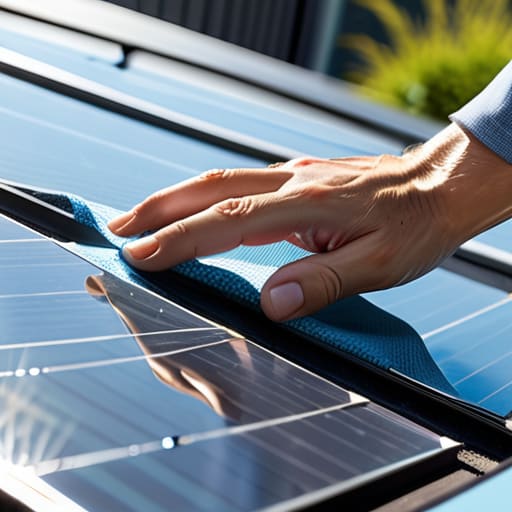
You don’t need a professional cleaning crew or a massive budget to keep your system running at its peak. In fact, most of the time, a simple garden hose and a soft microfiber cloth are all you really need for cleaning solar panels safely. The goal is to avoid anything abrasive; skip the stiff brushes or heavy-duty scrubbers that can lead to avoiding micro-cracks during cleaning—a mistake that can permanently damage your cells and tank your ROI. If you’re dealing with stubborn bird droppings or dried-on grime, a gentle solution of water and a tiny bit of mild dish soap will do the trick without leaving a film behind.
When it comes to the best tools for solar panel maintenance, think minimalist. A telescopic soft-bristle brush is a great investment if your array is mounted high, as it saves you from the danger of climbing a ladder. Just remember to clean them early in the morning or late in the evening. If you spray cold water on panels that have been baking in the midday sun, the thermal shock can actually crack the glass. Keep it simple, keep it gentle, and you’ll protect your investment while maximizing your output.
My Five Golden Rules for a Clean, High-Yield Setup
- Check the forecast before you start; you never want to spray cold water onto sun-baked glass because the thermal shock can actually crack your panels.
- Skip the harsh chemicals and expensive specialty soaps—they leave a film that actually attracts more dust. Just use a soft brush and plain water to keep things clear.
- Use a telescopic pole with a soft microfiber head so you aren’t climbing ladders like a maniac; staying grounded is safer and much more efficient for your time.
- Watch out for “hard water” spots; if your tap water is high in minerals, try to use a squeegee to dry the surface so you don’t end up with white streaks that block the sun.
- Don’t wait for a massive buildup to take action. A quick rinse once a month is way more effective than a deep scrub once a year when your energy output has already tanked.
The Bottom Line: Keeping Your Panels Productive
Don’t let a thin layer of grime become a silent tax on your wallet; even minor dust buildup can noticeably drag down your energy harvest.
You don’t need professional equipment or expensive chemicals to get the job done—soft tools and plain water are usually all it takes to keep things running efficiently.
Consistency beats intensity; a quick, routine check is much better for your output (and your budget) than waiting until your panels are completely caked in debris.
The Hidden Cost of Neglect
“I’ve seen too many people invest thousands into solar setups only to let a thin layer of grime eat away at their ROI. You don’t need a professional cleaning crew to see results; you just need to stop letting dirt act as a tax on your energy production.”
Tobias Nkemdirim
Small Steps, Big Savings
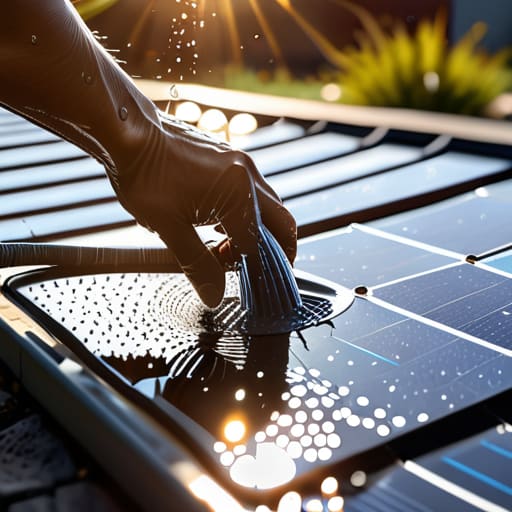
At the end of the day, keeping your solar setup efficient doesn’t require a professional crew or a massive budget. We’ve looked at how even a thin layer of grime can choke your energy production and how a simple, gentle cleaning routine can keep your output where it needs to be. Whether you’re using a soft brush, a garden hose, or just a damp microfiber cloth, the goal is the same: removing the barriers between those cells and the sun. Remember, consistency beats intensity; you don’t need to deep-clean every week, you just need to make sure that dust and debris aren’t quietly stealing your savings every single morning.
I know it can feel like one person’s maintenance routine won’t change the world, but that’s where we’re wrong. Every kilowatt-hour you reclaim through smart, low-cost upkeep is energy that doesn’t have to be generated by a fossil fuel plant. It’s about taking control of your own footprint and making sure the tech you invested in is actually doing its job. Living sustainably shouldn’t be a luxury reserved for the wealthy, and it shouldn’t be a headache either. Keep it simple, keep it clean, and let your panels do the heavy lifting.
Frequently Asked Questions
Is it actually safe to clean my panels myself, or am I going to void my warranty if I use the wrong tools?
Look, I get the anxiety. I’ve seen people try to scrub their panels with abrasive sponges or high-pressure washers, and yeah, that’s a fast track to cracked glass and voided warranties. You don’t need heavy machinery. As long as you stick to soft brushes, microfiber, or just a gentle hose and some mild soap, you’re fine. If you’re working on a steep roof, though? Skip the DIY and call a pro. Your safety matters more than a few saved bucks.
How often do I actually need to do this—is once a month overkill, or should I wait for the rainy season?
Honestly, cleaning once a month is usually overkill unless you live in a heavy industrial zone or a particularly dusty desert area. For most of us, waiting for a good rain is fine, but don’t get lazy. I usually suggest a quick check every few months. If you see a visible film of grime or bird droppings, that’s your cue. Don’t wait for the rainy season to do all the heavy lifting for you.
Can I just use my garden hose, or will the pressure and tap water minerals actually damage the cells in the long run?
A garden hose is usually fine, but you have to be smart about it. Avoid high-pressure nozzles; you don’t want to blast the protective coating or crack a cell. The real issue is the minerals. If you have hard water, letting it air-dry will leave white calcium spots that actually block sunlight. My advice? Use a low-pressure spray and follow up with a squeegee or a soft microfiber cloth to wipe it dry.
