
I still remember sitting in my old rental apartment, shivering in a room that felt more like a walk-in freezer than a living space. I’d turn on every lamp I owned just to feel a sense of warmth, only to realize I was essentially paying a premium to heat the air with old, inefficient bulbs. Most people think that upgrading to energy efficient lighting requires a massive upfront investment or a complete home renovation, but that’s a total myth. You don’t need a designer budget to stop bleeding money through your light fixtures; you just need to stop letting outdated tech dictate your monthly utility bills.
I’m not here to sell you on some high-end, “smart” ecosystem that costs more than your monthly rent. My goal is to give you the actual, data-backed reality of what works for a normal household. I’ll show you exactly which swaps offer the highest return on investment and how to pick the right lumens without turning your bedroom into a sterile hospital ward. This is about practical, low-cost changes that keep your bills down and your footprint small, no fluff included.
Table of Contents
The Truth About Led vs Incandescent Comparison
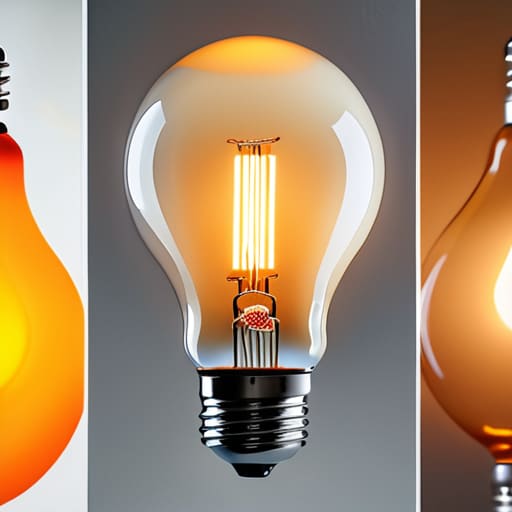
I’ve spent way too many hours with my infrared thermometer pointed at old-school light fixtures, and the data doesn’t lie: incandescent bulbs are essentially tiny space heaters that happen to produce a little bit of light. When you run an LED vs incandescent comparison, the gap isn’t just about the electricity used; it’s about wasted thermal energy. An incandescent bulb converts about 90% of its energy into heat rather than light, which is a massive drain on your wallet and your home’s climate control.
Switching to LEDs is the most straightforward way of reducing household energy consumption without needing a degree in engineering. While the upfront cost might be a few cents more per bulb, the math works out in your favor almost immediately. You aren’t just buying a bulb; you’re investing in a cost-effective bulb replacement that lasts years longer. I always tell my clients to stop looking at the sticker price and start looking at the lifespan. If you’re still using those old, warm-to-the-touch bulbs, you’re essentially paying a “waste tax” every single month.
Smart Cost Effective Bulb Replacement for Every Room
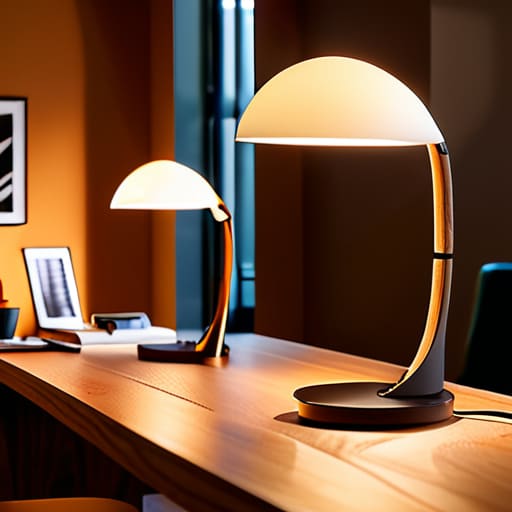
When I’m auditing a space, I don’t just look at the wattage; I look at how the light actually functions in the room. You shouldn’t treat every bulb the same way. For instance, your living room needs a warm, inviting glow, whereas a home office demands crisp, clear light to keep you focused. Instead of grabbing the cheapest pack of bulbs at the grocery store, look for sustainable lighting solutions that match the specific task. If you’re upgrading a kitchen, aim for higher lumens to ensure you aren’t squinting over a cutting board, but keep the bedroom bulbs dim and warm to help your circadian rhythm.
A cost-effective bulb replacement strategy is all about prioritizing high-use areas. If you have a hallway light that stays on for hours, that’s your first target. I always tell my clients to invest a little more upfront in high-quality LEDs for those central zones. If you want to take it a step further, look into smart lighting automation. Setting timers or motion sensors in bathrooms or laundry rooms ensures you aren’t paying to light an empty room, which is one of the fastest ways to see a real difference in your monthly statement.
5 Quick Wins to Stop Draining Your Bank Account Through Your Light Fixtures
- Stop over-lighting your spaces. I see this all the time during audits: people have high-wattage bulbs in every corner of a room when they only really need task lighting over a desk or a reading nook. Use localized lamps instead of blasting the whole ceiling.
- Get a grip on your lumens, not just your watts. When you’re shopping, stop looking at how much power a bulb pulls and start looking at the brightness (lumens). You can get the same light output with a fraction of the energy if you know what number to look for on the box.
- Layer your lighting to save. Instead of turning on the “big light” in the living room, use a mix of dimmable LEDs and small accent lights. It creates a better vibe and lets you control exactly how much energy you’re actually pulling from the grid.
- Don’t ignore the “vampire” draw of smart bulbs. While I love tech, some smart bulbs have a tiny constant draw even when they’re “off.” If you’re going smart, pick reputable brands that are actually rated for low standby power so you aren’t losing money while you sleep.
- Clean your fixtures regularly. It sounds basic, but dust buildup on bulbs and shades can block a significant amount of light. If your room feels dim, don’t immediately reach for a higher-wattage bulb; just wipe the dust off and see if you can actually see better.
The Bottom Line on Your Lighting Bill
Stop thinking of LEDs as an expense; they’re a long-term investment that pays for itself in energy savings within months, not years.
Don’t just swap bulbs blindly—match the color temperature to the room’s purpose so you aren’t wasting energy on harsh, unnecessary light.
Focus on the high-traffic areas first; upgrading the bulbs in your kitchen and living room offers the fastest ROI on your utility bill.
The Cost of Convenience
“I’ve walked into too many homes where people are literally burning money through their ceiling fixtures just because they haven’t bothered to check the wattage. Upgrading your lighting isn’t some luxury lifestyle hack; it’s basic math that keeps more cash in your pocket and less waste in the grid.”
Tobias Nkemdirim
The Bottom Line on Your Lighting
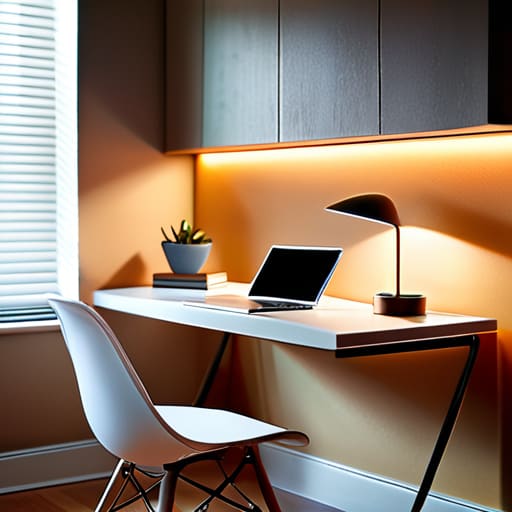
At the end of the day, upgrading your lighting isn’t about some massive, expensive overhaul of your entire house; it’s about making intentional choices where they actually count. We’ve looked at why ditching those old incandescent bulbs for LEDs is a no-brainer for your wallet, and how tailoring your bulb types to specific rooms—like using warm tones for the bedroom and bright, crisp light for your workspace—can change the whole vibe of your home. It really comes down to stopping the bleed of energy that happens every time you flip a switch in a room filled with inefficient tech.
I know that when you’re staring at a mounting utility bill, these small changes can feel insignificant, but they aren’t. Every time you swap a bulb or dim a light you don’t need, you are reclaiming a tiny bit of your hard-earned money and reducing your footprint. Sustainability shouldn’t be a luxury reserved for people with huge budgets; it’s a series of smart, practical habits that anyone can adopt. Start small, keep track of your savings, and remember that efficiency is a mindset, not just a checklist.
Frequently Asked Questions
Are LED bulbs actually better for the environment when you consider how much waste they create if they burn out too quickly?
It’s a fair question. I’ve seen plenty of cheap, low-quality LEDs die after just a few months, and that’s a massive waste. But even with a shorter lifespan, the math still favors LEDs. The energy they save during their life far outweighs the carbon footprint of manufacturing them. My advice? Don’t buy the cheapest generic ones. Invest in a mid-range, reputable brand. You’ll get the efficiency without the constant cycle of landfill waste.
If I switch to smart bulbs to save energy, am I actually increasing my electricity usage because of the "vampire power" they draw while plugged in?
It’s a fair question, and I get why you’re skeptical. Here’s the data: yes, smart bulbs have a tiny “vampire draw” because they need to stay connected to your Wi-Fi. But even with that standby power, the energy you save by using efficient LED technology far outweighs the cost of the idle draw. You’re essentially trading a few cents of standby power for significant savings on your main lighting bill. It’s a net win.
How do I find the right color temperature so my home doesn't end up feeling like a cold, sterile hospital ward?
Look, I’ve seen too many people swap to LEDs only to turn their living rooms into a sterile hospital ward. It’s a common mistake. To keep things cozy, look for the Kelvin (K) rating on the box. For living areas and bedrooms, aim for “Warm White” (around 2700K to 3000K). If you’re in a kitchen or workspace where you actually need to see what you’re doing, “Cool White” (around 4000K) works better.
