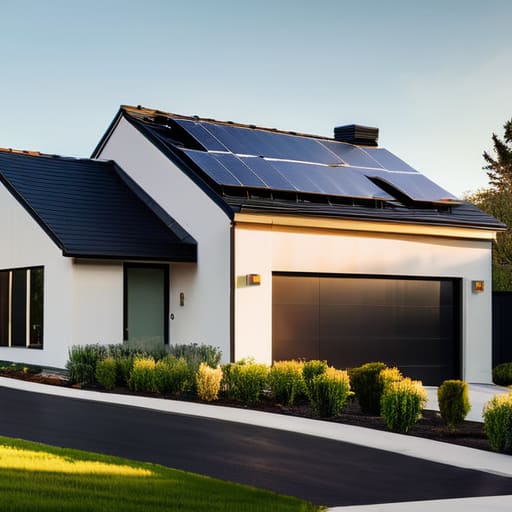
I remember standing in my old rental apartment, clutching my infrared thermometer and watching the temperature drop on the screen as the sun went down. I felt like I was fighting a losing battle against my own utility bills, and it’s that same frustration that makes me cringe when I see “experts” pitching home solar design as some high-end luxury reserved for the wealthy. There is this massive, annoying myth that you need a massive budget and a futuristic mansion to make solar work. Honestly? Most of that high-priced hype is just noise designed to separate you from your savings.
I’m not here to sell you on a dream or push expensive, unnecessary tech that you don’t actually need. My goal is to give you the actual, data-driven reality of how to approach home solar design so you can stop throwing money away on wasted energy. I’ll show you how to make smart, practical choices that prioritize efficiency over ego, ensuring your setup actually pays for itself. We’re going to focus on what works for real people living in real homes, without the fluff.
Table of Contents
- Maximizing Savings Through Strategic Solar Panel Placement Optimization
- Why Roof Pitch and Solar Efficiency Actually Matter for Your Budget
- 5 Practical Design Moves to Get the Most Out of Your Solar Setup
- The Bottom Line on Solar Design
- ## The Real Cost of Poor Design
- Making the Most of Your Solar Investment
- Frequently Asked Questions
Maximizing Savings Through Strategic Solar Panel Placement Optimization
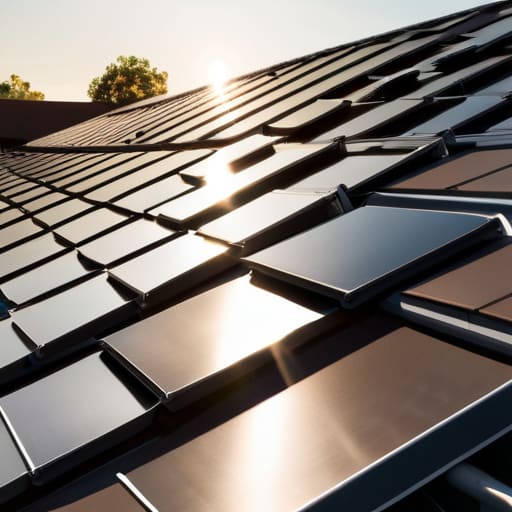
When I’m out on a site audit, the first thing I do isn’t looking at the panels themselves; it’s looking at the shadows. You can buy the most expensive hardware on the market, but if a single chimney or a neighbor’s oak tree casts a shadow over your array during peak hours, your ROI is going to tank. This is why I always insist on a thorough shading analysis for solar before a single bolt is tightened. It’s not just about finding sun; it’s about finding the uninterrupted sun. Even a small patch of shade can create “hot spots” that drag down the performance of your entire string.
Beyond just dodging shadows, you have to account for your specific roof geometry. I often see people rush into a setup without considering how roof pitch and solar efficiency work together. A steep, south-facing slope is a goldmine, but if your roof is flat or angled poorly, you might need to look at ground-mounted options instead. It’s about being strategic rather than just slapping panels wherever there’s an open space. We need to treat your roof like a precision tool, not just a mounting surface.
Why Roof Pitch and Solar Efficiency Actually Matter for Your Budget
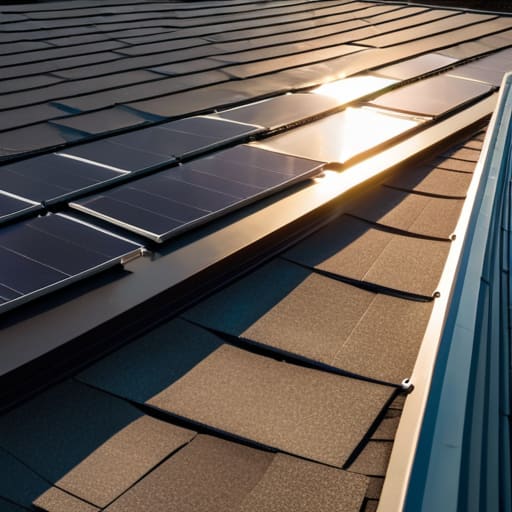
When I’m out on an audit, I often see people obsessing over the brand of their panels while completely ignoring the angle of their roof. It’s a massive mistake. The relationship between roof pitch and solar efficiency is basically the difference between a system that pays for itself in five years and one that drags on for fifteen. If your roof is too flat or tilted toward the wrong cardinal direction, you’re essentially paying for energy that your panels simply can’t catch.
It isn’t just about the tilt, though; it’s about the math behind it. A steep pitch might capture more winter sun, but if you don’t account for your specific latitude, you’re leaving money on the table. This is where a proper shading analysis for solar becomes non-negotiable. I’ve seen too many setups where a single tree or a neighbor’s chimney casts a shadow that kills the output of an entire string of cells. If you want to protect your budget, you have to treat the geometry of your home as part of the machine itself.
5 Practical Design Moves to Get the Most Out of Your Solar Setup
- Watch your shading—even a single tree branch casting a shadow over one corner of a panel can tank your entire system’s output, so map out your yard’s growth patterns before you commit.
- Don’t overlook your battery storage placement; keeping your backup system in a temperature-controlled area prevents efficiency drops caused by extreme heat or freezing cold.
- Plan for your future self by choosing a modular design, which lets you add more panels later as your budget allows rather than being stuck with a small, underpowered system.
- Pair your solar design with smart monitoring tools so you can see exactly where your energy is going and catch any hardware underperformance before it hits your wallet.
- Coordinate your solar layout with your home’s natural thermal zones to ensure you aren’t generating massive amounts of power only to lose it through poor insulation in the same rooms.
The Bottom Line on Solar Design
Don’t just buy more panels to fix a bad setup; focus on placement and roof angle first to ensure every watt you pay for actually makes it into your battery or grid.
Smart design is about long-term math, not just upfront costs—optimizing your roof’s orientation can be the difference between a system that pays for itself in five years versus fifteen.
You don’t need a massive, expensive solar array to see results, just a layout that respects the way the sun actually hits your specific home throughout the day.
## The Real Cost of Poor Design
“Most people think solar is just about buying panels, but if your design is flawed, you’re essentially paying a premium to catch as little sunlight as possible. It’s not about how much hardware you can stack on your roof; it’s about how much energy you actually capture without wasting a single cent.”
Tobias Nkemdirim
Making the Most of Your Solar Investment
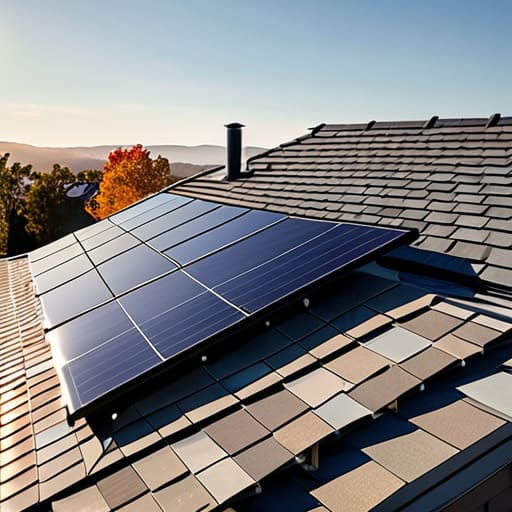
At the end of the day, smart solar design isn’t about buying the most expensive hardware on the market; it’s about how you integrate that tech into your specific living space. We’ve looked at how strategic panel placement and understanding your roof’s pitch can be the difference between a system that barely breaks even and one that actually pays for itself in a few years. If you ignore these fundamentals, you’re essentially just installing expensive decorations on your roof. But if you take the time to audit your home’s orientation and slope, you can stop leaking potential savings and start capturing every bit of energy your roof has to offer.
I know that looking at utility bills and solar specs can feel overwhelming, especially when you’re trying to balance a tight budget. But remember, sustainability shouldn’t be a luxury reserved for people with massive savings accounts. Every small, data-driven decision you make now—from optimizing your angle to minimizing shading—is a step toward a more resilient, affordable home. It’s about taking control of your environment and your wallet at the same time. You don’t have to do everything at once, but you do have to start making choices that prioritize efficiency over convenience.
Frequently Asked Questions
How much of a difference does actual shading from nearby trees or buildings make to my long-term ROI?
It makes a massive difference. I’ve walked into audits where a single overgrown oak tree was effectively “stealing” 20% of a system’s potential output. Even partial shading can cause a disproportionate drop in efficiency because it disrupts the flow of electricity through your panels. If you don’t account for that shade now, your ROI will take years longer to hit than promised. Don’t let a neighbor’s tree turn your investment into a slow leak.
Do I need to completely redesign my roof layout to fit panels, or can I just work around the existing pitch?
You definitely don’t need a total roof redesign. In my audits, I see people thinking they need a perfect, flat slate to go solar, but that’s just not how it works. You can absolutely work with your existing pitch. It’s more about optimizing the layout to catch the best sun angles and avoiding shade. Think of it as playing Tetris with your roof space—it’s about smart placement, not rebuilding the whole house.
Is it worth investing in more panels to compensate for a sub-optimal roof angle, or am I just throwing money at a losing battle?
Look, I’ve seen this mistake in too many audits. Adding more panels to compensate for a bad angle is usually just throwing good money after bad. You’re essentially trying to outrun physics. Instead of buying extra hardware to fix a structural flaw, I’d rather see you invest that cash into better battery storage or improving your home’s insulation. Fix the energy leaks first; don’t just try to buy your way out of a bad design.
