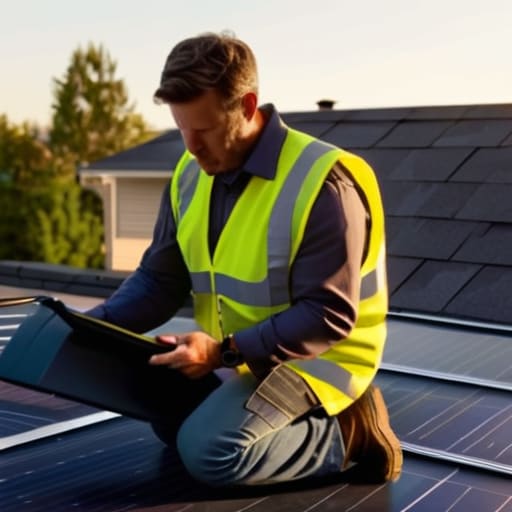
I remember standing on a client’s roof last October, my handheld infrared thermometer pinging away as I tracked heat escaping through a poorly insulated attic. It hit me then that all the high-tech solar gear in the world won’t mean a thing if the initial assessment is rushed or, worse, totally wrong. Most people think a solar panel installation site visit is just some salesperson showing up with a clipboard and a grin, ready to sell you a dream. But if they aren’t looking at your shading patterns, your roof’s structural integrity, or your actual electrical panel capacity, they aren’t doing their job—they’re just chasing a commission.
I’m not here to sell you a shiny lifestyle or wrap you in corporate jargon. My goal is to pull back the curtain on what actually happens when a technician steps onto your property so you can spot the red flags before you sign anything. I’ll walk you through exactly what a proper, data-driven assessment looks like, ensuring you don’t end up with a system that underperforms or breaks your budget. Let’s make sure your investment actually works as hard as you do.
Table of Contents
Why a Solar Feasibility Study Saves Your Savings
Look, I’ve seen too many people dive into solar based on a “gut feeling” or a flashy sales pitch, only to realize six months later that their system isn’t performing. That’s where a proper solar feasibility study changes the game. It’s not just about seeing if panels fit on your roof; it’s about crunching the actual data to ensure your investment doesn’t go down the drain. I always tell my clients that guessing is expensive. By getting a professional to look at the numbers upfront, you’re essentially buying insurance against a system that underperforms.
Part of this process involves a deep dive into the technical side, like an electrical capacity evaluation to make sure your current setup can actually handle the new input. We also have to look at the physical reality of your home—specifically a roof structural integrity check. There is nothing worse than installing heavy hardware only to find out your rafters can’t support the load. Taking these steps early means you aren’t just buying panels; you’re building a reliable, long-term energy solution that actually lowers your bills without unexpected repair costs.
Measuring Solar Irradiance to Ensure Every Cent Counts
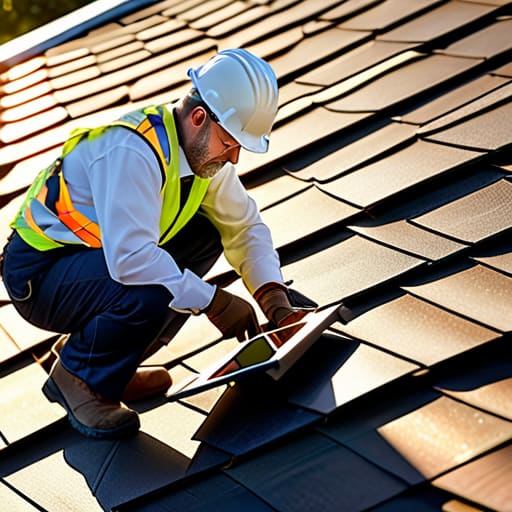
You can’t just guess how much power your roof will actually generate. I’ve seen too many people get hyped about going solar, only to realize their setup is underperforming because they ignored the sun’s actual patterns. This is where a precise solar irradiance measurement becomes non-negotiable. During my site visits, I’m not just looking at the shingles; I’m looking at how shadows from nearby trees or even your neighbor’s chimney might choke your production during peak hours. If we don’t account for those micro-shadows now, you’re essentially buying expensive hardware that won’t pay for itself as fast as promised.
It’s all about the data. A proper photovoltaic system assessment ensures that the hardware we spec out actually matches the energy potential of your specific roof pitch and orientation. I treat this like a math problem: we need to maximize the “harvest” while minimizing the upfront cost. If the irradiance numbers are low due to local obstructions, I’d rather tell you that upfront than have you looking at a massive utility bill six months later wondering where your “free” energy went.
5 Things I Always Check During a Site Visit
- Check your roof’s real condition before buying gear. I’ve seen people install expensive panels only to realize six months later that their roof needed replacing anyway. You don’t want to be mounting high-tech tech on a shaky, aging foundation.
- Look for the shadows that aren’t obvious. It’s easy to miss how a neighbor’s tree or a chimney stack casts a long shadow in the late afternoon, but even a little shade can tank your system’s efficiency. I always look for those sneaky obstructions.
- Inspect your electrical panel’s capacity. There’s no point in generating all this clean power if your old breaker box can’t handle the load. We need to make sure your home’s “nervous system” is actually ready for the upgrade.
- Map out the cable routes early. I hate seeing messy, inefficient wiring running across the side of a house. Planning the shortest, most direct path from your panels to your inverter saves you money on materials and keeps the installation clean.
- Verify your roof orientation and pitch. It sounds basic, but getting the angle wrong means you’re leaving money on the table. I’m looking for that sweet spot where you’ll catch the most sunlight throughout the day to maximize your ROI.
The Bottom Line: Why the Site Visit Matters
Don’t skip the technical audit; a professional site visit is the only way to ensure your roof can actually handle the hardware and that your energy math actually adds up in the real world.
Treat the inspection as a way to avoid “hidden” costs—identifying shading issues or wiring problems now is much cheaper than fixing a system that underperforms later.
Use the visit to bridge the gap between theory and reality, turning a generic solar quote into a customized plan that actually lowers your monthly bills.
## Don't Buy Blindly
“A solar site visit isn’t just a checkbox for the installers; it’s your best defense against buying a system that looks good on paper but fails to actually lower your bills in the real world.”
Tobias Nkemdirim
Making the Move
At the end of the day, a solar site visit isn’t just some technical formality or a box to tick for a contractor; it’s your best defense against a bad investment. By prioritizing a thorough feasibility study, accurately measuring your solar irradiance, and mapping out your roof’s true potential, you’re essentially bulletproofing your budget. You’ve seen how much money can leak out of a home through inefficiency, and the same applies to solar. If you skip the details now, you’ll end up paying for hardware that doesn’t perform or systems that simply can’t handle your load. Don’t let a “quick quote” blind you to the real data required to make this work for your specific home.
Transitioning to renewable energy shouldn’t feel like a gamble. I know how intimidating it feels to look at those upfront costs, but remember that every smart, measured step you take now is a step toward long-term independence. We don’t need massive, sweeping overhauls to make a difference; we just need to be intentional with our choices. Once you get the site assessment right, you aren’t just installing panels—you’re building a more resilient, affordable future for yourself. Let’s stop letting energy waste dictate our monthly expenses and start taking control of our power.
Frequently Asked Questions
How much of an impact will my roof's shade from nearby trees actually have on my return on investment?
It’s a bigger deal than most people realize. Even a little bit of shade can cause a massive drop in efficiency because it disrupts the entire flow of electricity through your panels. If a tree blocks your roof for just a few hours during peak sunlight, your ROI takes a direct hit. During my site visits, I always check for these “shadow traps”—it’s better to prune a branch now than to pay for underperforming tech for twenty years.
Do I need to be home during the site visit, or can the consultant just inspect the property on their own?
You don’t strictly have to be there, but I highly recommend it. While I can technically walk around the perimeter and check your roof from the outside, being present lets us talk through the real-world stuff. I want to know where your heavy appliances sit or if you’re planning an extension next year. It’s much easier to tailor a plan to your actual life if we can just chat while I’m measuring.
What kind of specific documentation or info should I have ready so we don't waste time during the assessment?
To keep things moving, grab your most recent utility bills—I need to see your actual usage patterns, not just estimates. Also, have your property deed or any recent roof inspection reports handy. If you have a site map or even just a clear photo of your electrical panel, that helps immensely. The goal is to spend less time digging through paperwork and more time figuring out how to optimize your setup.
