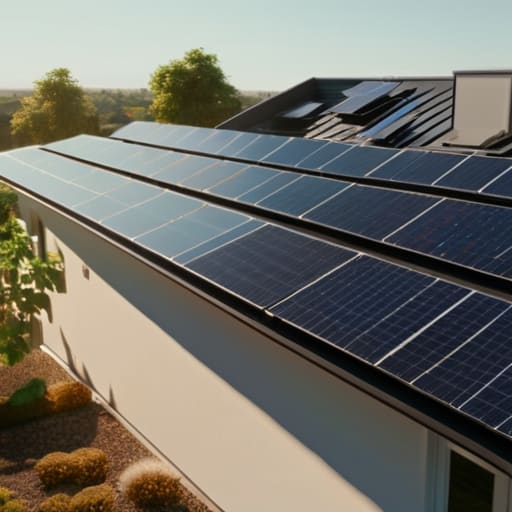
I spent most of my early twenties shivering in a drafty rental, staring at a utility bill that felt more like a ransom note than a monthly expense. Whenever I brought up the idea of switching to solar panels, people would immediately pivot to these massive, expensive, “luxury” setups that seemed designed only for people with huge backyards and even bigger bank accounts. It’s a total myth that you need to be wealthy to harness the sun; honestly, most of the hype out there is just noise designed to sell you hardware you don’t actually need.
I’m not here to sell you a dream or a high-interest loan for a system that won’t even pay for itself in a decade. Instead, I’m going to give you the actual, unvarnished truth about how to approach this transition without breaking your budget. We’re going to look at the real math, the small-scale options, and the smart moves that actually lower your footprint and your bills simultaneously. My goal is to help you stop throwing money at the grid and start making your home work for you.
Table of Contents
Maximizing Solar Energy Savings Without Breaking the Bank
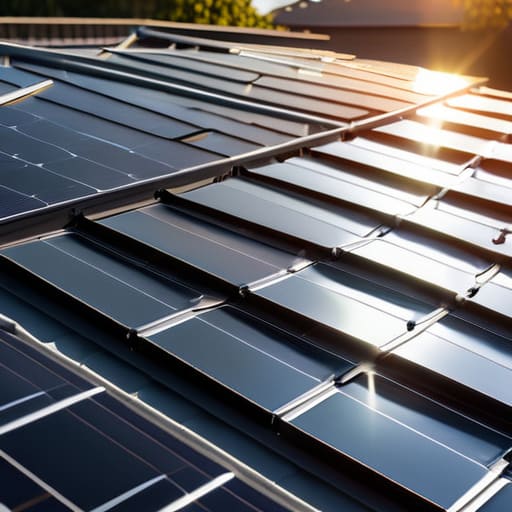
Look, I get it. When you see the upfront cost of a full installation, it’s easy to walk away. But maximizing your solar energy savings isn’t always about buying the most expensive setup on the market; it’s about being strategic with what you actually need. If you’re looking at residential solar systems, don’t just buy based on the biggest number. Check the solar panel efficiency ratings for the specific models you’re eyeing. A slightly higher-efficiency panel might cost more initially, but if it generates more power in a smaller footprint, it pays for itself much faster through reduced monthly bills.
Another thing I always tell my clients: pay attention to how you use your power. If your utility provider offers net metering benefits, you can actually get credit for the excess electricity you send back to the grid during the day. This turns your roof into a little revenue stream. If you can’t afford a massive array right away, start with a smaller, scalable system. It’s better to start small and smart than to go into massive debt for hardware you won’t fully utilize.
Understanding Residential Solar Systems on a Real World Scale
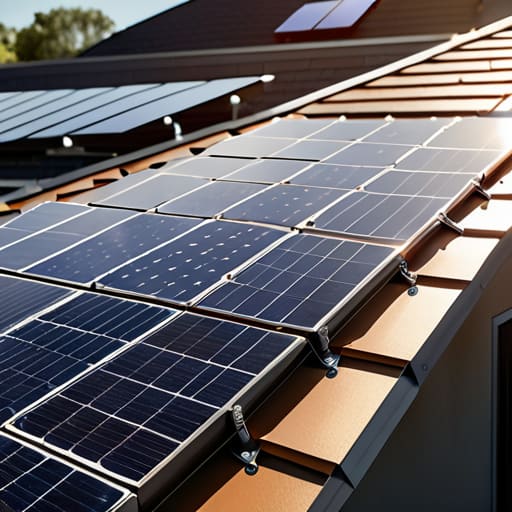
When I talk to clients about residential solar systems, I usually see a lot of confusion about what’s actually happening on their roof. It isn’t just about slapping some glass plates on a shingles and hoping for the best. At its core, we’re looking at photovoltaic technology explained through the lens of your specific roof orientation and local weather patterns. It’s a math problem, really. You have to look at your consumption peaks versus when those cells are actually pumping out juice. If you don’t align the two, you’re just generating power that you’ll end up selling back for pennies.
I also see a lot of people getting hung up on the hardware without looking at the bigger picture. It’s easy to get distracted by flashy marketing, but you need to focus on solar panel efficiency ratings and how they actually perform in real-world, cloudy conditions—not just in a perfect lab setting. I always tell people: don’t just buy the most expensive setup; buy the one that matches your actual energy footprint. Understanding that balance is the difference between a system that pays for itself in five years and one that just sits there looking pretty while you keep paying the utility company.
5 Ways to Get More Bang for Your Buck from Your Solar Setup
- Don’t just install and forget; keep your panels clean. A thick layer of dust or bird droppings can actually drop your efficiency significantly, and I’ve seen it happen too often during my audits.
- Time your heavy lifting for the sunniest hours. If you’re running the dishwasher or the dryer, try to do it mid-day when your panels are peaking so you’re pulling directly from the sun rather than the grid.
- Look into battery storage if your budget allows. It’s the best way to stop letting your excess energy go to waste at night and helps you avoid those expensive peak-hour utility rates.
- Check your inverter regularly. It’s the unsung hero of the system that converts the power, and if it’s underperforming, your entire investment feels like it’s dragging.
- Pair your solar move with an energy audit. There’s no point in generating massive amounts of clean power if your home is leaking heat through old windows and wasting it all immediately.
The Bottom Line on Going Solar
Don’t view solar as a luxury purchase; treat it as a long-term hedge against rising utility rates that eventually pays for itself.
Efficiency first—there is no point in generating more power if your home is still leaking heat or wasting electricity through old appliances.
Start small and scale up; you don’t need a massive, expensive array on day one to start seeing a real dent in your monthly bills.
The Reality of Solar Investment
Solar panels shouldn’t be treated like a luxury status symbol for the wealthy; they’re a practical tool for anyone tired of watching their hard-earned money vanish into an aging, inefficient power grid.
Tobias Nkemdirim
Making the Switch Count
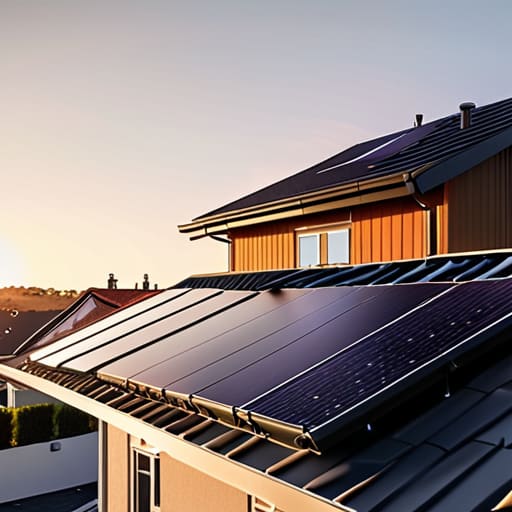
At the end of the day, transitioning to solar isn’t about buying into a luxury lifestyle; it’s about reclaiming control over your monthly overhead. We’ve looked at how you can scale these systems to fit a real-world budget and how to maximize every kilowatt without needing a massive upfront investment. Whether you’re looking at small-scale setups or more comprehensive residential arrays, the goal remains the same: stop letting your hard-earned money leak out through your roof in the form of wasted electricity. It comes down to smart auditing and strategic planning rather than just throwing money at the most expensive option available.
I know that looking at solar can feel overwhelming, especially when you’re already juggling rising living costs. But I promise you, the shift toward energy independence is worth the initial learning curve. We don’t need perfect, massive solar farms to make a difference; we just need enough people to start making small, intentional changes to how they power their lives. Every panel installed and every watt saved is a step toward a home that is both sustainable and affordable. Let’s stop treating energy waste as an inevitability and start treating it like the financial drain it actually is.
Frequently Asked Questions
Is it actually worth the upfront cost if I'm renting or don't own my roof?
If you don’t own the roof, traditional panels are a non-starter, but don’t let that stop you. I’ve seen too many renters just accept high bills because they feel stuck. Look into community solar programs—you basically subscribe to a local solar farm and get credits on your utility bill. It’s a way to reap the savings without a single drill bit touching your walls. It’s about being smart with the options available to you.
How much do I really need to save on my monthly bills to make the investment pay for itself?
Look, there isn’t one magic number, but here’s how I run the math: you’re looking for the “payback period.” If your solar setup costs $15,000 and it knocks $150 off your monthly utility bill, you’re looking at a ten-year break-even point. I always tell my clients to aim for a reduction that covers the monthly financing cost of the panels themselves. If the savings don’t outpace the loan, you aren’t investing; you’re just shifting bills.
Can these systems actually handle my power usage during cloudy weeks or in the middle of winter?
Look, I get the skepticism. I’ve stood in drafty apartments where the heating just couldn’t keep up, so I know the fear of being left in the dark. The short answer is: yes, but it depends on your setup. If you’re paired with a battery system or a grid-tie agreement, you’re covered. During those gloomy winter stretches, you’ll pull from the grid or stored power. It’s about managing your load, not just chasing perfect sunshine.
