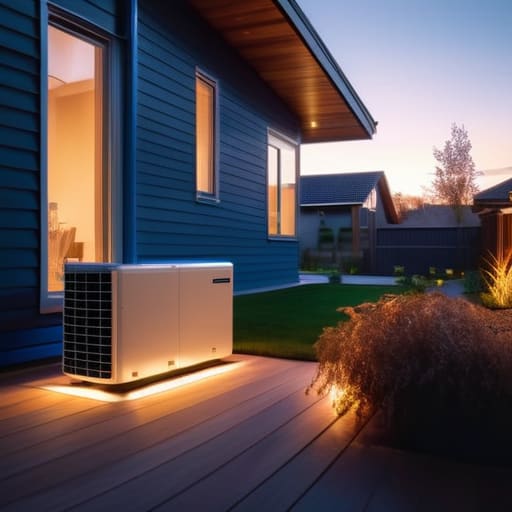
I still remember sitting in my old rental apartment, wrapped in three layers of blankets, watching the radiator hiss while the thermostat climbed and my bank account plummeted. It felt like a losing battle against physics. Most people will tell you that switching to heat pumps is some futuristic, luxury-only upgrade that requires a massive renovation and a mountain of cash, but that’s just nonsense. The industry loves to make sustainability feel like an elite club, making it seem like you need to be a millionaire to stop burning money just to stay warm.
I’m not here to sell you on a lifestyle trend or some glossy brochure version of “going green.” My goal is to give you the raw, data-driven reality of how heat pumps actually perform in a real home. I’ll break down the efficiency numbers, the actual upfront costs, and the small, smart adjustments you can make to ensure you aren’t just throwing money at a broken system. We’re going to focus on practical efficiency that keeps your bills low and your home comfortable, without the unnecessary hype.
Table of Contents
Decarbonizing Home Heating Without Breaking Your Bank Account
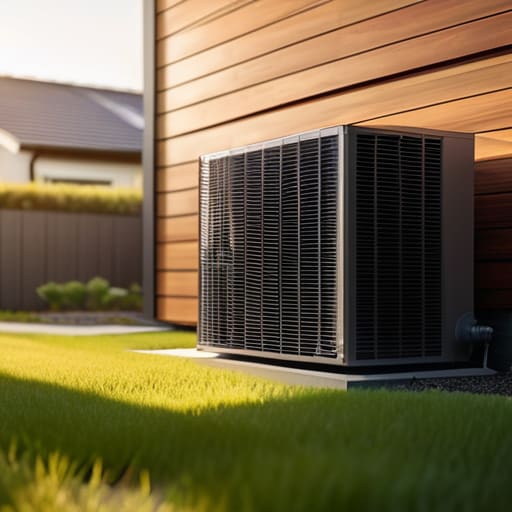
Decarbonizing home heating often feels like a luxury reserved for people with massive savings, but that’s a misconception I see all the time. When I’m auditing a space, I don’t just look at the hardware; I look at the long-term math. While the upfront heat pump installation costs can definitely cause some sticker shock, you have to weigh that against the years of lower utility bills and reduced carbon output. It isn’t just about buying a new machine; it’s about shifting away from fossil fuels toward low carbon heating solutions that actually make sense for your monthly budget.
The real trick is knowing where to start so you aren’t throwing money at a problem you haven’t fully diagnosed. Before you commit to a major system, check your home’s insulation and draftiness—I usually grab my infrared thermometer for this part. If your house is leaking heat like a sieve, even the most advanced tech won’t save you much money. By focusing on energy efficiency ratings and sealing those gaps first, you ensure that whatever renewable system you eventually install is actually working for you, not just fighting against a drafty window.
Navigating Heat Pump Installation Costs for Real Savings
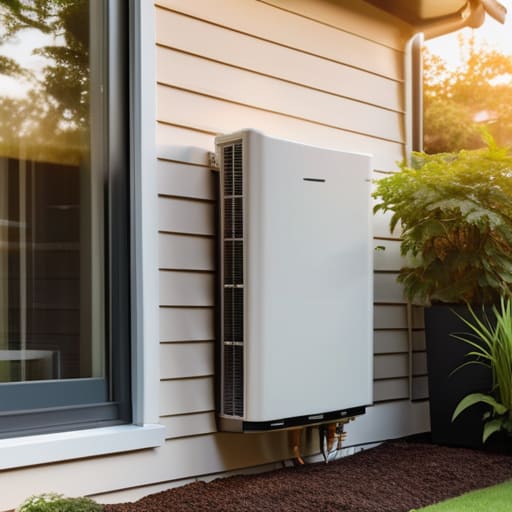
When I’m out on an audit, the first question I usually get isn’t about the tech itself, but the sticker shock. Let’s be real: heat pump installation costs can feel intimidating when you’re looking at the upfront numbers. It’s easy to get overwhelmed by the gap between what you pay today and what you’ll save over the next decade. The trick is to stop looking at it as a single expense and start viewing it as a long-term hedge against rising fossil fuel prices.
You also need to decide between air source vs ground source systems, which is a huge factor in your initial budget. Air source is generally the more accessible route for most renters or homeowners looking for a practical upgrade, while ground source is a heavy-duty investment for those with the space and capital to go all-in. I always tell my clients to check for local government rebates and tax credits before signing anything. These incentives are designed specifically to make low carbon heating solutions more attainable for the average person, effectively bridging that gap between “expensive luxury” and “smart home essential.”
5 Practical Ways to Get the Most Out of Your Heat Pump
- Don’t treat it like an old furnace; heat pumps work best with steady, consistent temperatures rather than blasting high heat on and off, which actually wastes energy.
- Size matters more than you think—get a professional to calculate your home’s actual heat load so you don’t end up with an oversized unit that cycles too frequently.
- Keep your filters clean like your life depends on it; a clogged filter forces the system to work harder, driving up your electricity bill and shortening the unit’s lifespan.
- Use your thermostat’s smart features to your advantage, but don’t get too aggressive with “away” modes—extreme temperature swings can actually make it harder for the pump to recover.
- Seal those sneaky air leaks first; I always grab my infrared thermometer to check windows and doors before a client installs a pump, because there’s no point heating air that’s just leaking outside.
The Bottom Line on Going Heat Pump
Don’t let the upfront price tag scare you off; when you factor in the long-term drop in your monthly utility bills and available tax credits, the math actually starts to make sense.
Efficiency isn’t just about the hardware you buy, it’s about how you use it—pairing a heat pump with basic insulation and weather stripping is what actually locks those savings in.
Stop viewing sustainability as a luxury for the wealthy; switching to electric heating is one of the most practical ways to take control of your home’s running costs and your carbon footprint at the same time.
The Reality of the Switch
“A heat pump isn’t just a luxury gadget for eco-conscious homeowners; it’s a practical tool for anyone tired of watching their money vanish into thin air every time the temperature drops.”
Tobias Nkemdirim
The Bottom Line on Heat Pumps

At the end of the day, making the switch to a heat pump isn’t just about chasing some futuristic green trend; it’s about practical, long-term financial sense. We’ve looked at how you can decarbonize your space without needing a massive inheritance, and how to navigate those initial installation costs by looking at the total lifecycle savings rather than just the sticker price. By auditing your home for leaks first and then choosing the right system, you’re essentially plugging the holes in your wallet. It’s a process of smart, incremental upgrades that eventually turn a drafty, expensive house into a streamlined, efficient home.
I know it can feel overwhelming to rethink how your entire house breathes and stays warm, but remember that sustainability shouldn’t be a luxury reserved for the wealthy. You don’t have to overhaul everything overnight to make a difference. Every bit of efficiency you claw back from the grid is a win for your bank account and a win for the planet. Let’s stop accepting high bills and wasted energy as just “the cost of living.” It is time to take control of your energy footprint and build a home that works for you, not against you.
Frequently Asked Questions
Will a heat pump actually keep my house warm during those brutal sub-zero winter nights?
I get this question all the time, usually while I’m pointing my infrared thermometer at a drafty window. The short answer? Yes, but with a caveat. Modern cold-climate heat pumps are beasts; they’re designed to pull heat from freezing air even when it’s well below zero. However, if your home is a sieve for heat, you’re fighting a losing battle. Fix your insulation first, then the heat pump will actually do its job.
How much of a dent will this actually make in my monthly utility bills compared to my old gas furnace?
Honestly, it depends on your local gas prices, but for most people I audit, the drop is significant. If you’re switching from an old, inefficient gas furnace, you’re looking at potentially cutting your heating costs by 30% to 50%. I always tell my clients: don’t just look at the sticker price of the unit; look at the monthly delta. That’s where the real win is. It’s about stopping the bleed in your monthly budget.
Do I need to redo my entire electrical panel or upgrade my ductwork to make a heat pump work?
Not necessarily, but you should definitely check both. I usually grab my infrared thermometer during audits to see if old ductwork is leaking air like a sieve; if it is, your new heat pump will struggle. As for the electrical panel, it depends on your current setup and the unit’s requirements. You might need a simple breaker upgrade rather than a full panel overhaul, but a quick pro inspection is non-negotiable.
